
[Klyxoo.com] is a participant in the Amazon Services LLC Associates Program, an affiliate advertising program designed to provide a means for sites to earn advertising fees by advertising and linking to Amazon.uk
Swimming is one of the most effective full-body workouts, offering cardiovascular benefits, muscle strengthening, and stress relief. For many swimmers, listening to music, podcasts, or audiobooks during training sessions can improve motivation and make workouts more enjoyable. However, traditional earbuds often struggle in aquatic environments due to water intrusion, poor fit, and discomfort.
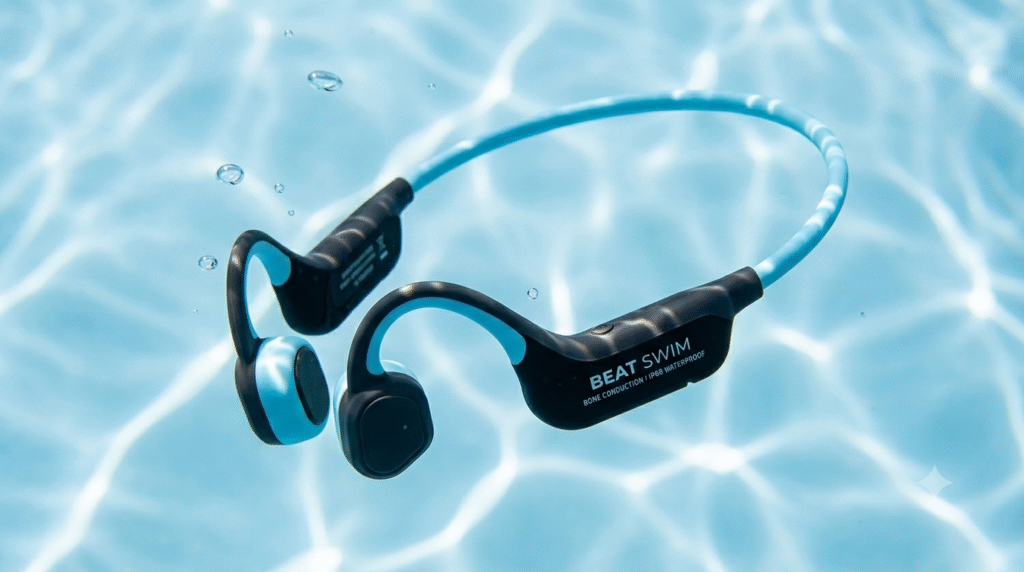
This is where swim bone conduction headphones have gained popularity. Unlike conventional headphones that deliver sound through the ear canal, bone conduction technology transmits vibrations through the cheekbones directly to the inner ear. This innovative design leaves the ears open while providing audio playback, making it especially useful for swimmers and athletes.
Choosing the right swim bone conduction headphones can be challenging because numerous features influence performance, comfort, durability, and audio quality. Waterproof ratings, onboard storage, battery life, fit, and swimming-specific functionality all play critical roles.
This comprehensive buying guide will help you understand everything you need to know before purchasing swim bone conduction headphones. Whether you’re a recreational swimmer, triathlete, fitness enthusiast, or open-water athlete, this guide will help you make an informed decision.
What Are Swim Bone Conduction Headphones?
Bone conduction headphones use transducers that send sound vibrations through facial bones instead of relying on speakers positioned inside the ears.
How Bone Conduction Works
Rather than directing sound waves into the ear canal, these headphones:
- Sit comfortably on the cheekbones
- Create small vibrations
- Deliver sound directly to the inner ear
- Leave the ear canal open
This design creates a unique listening experience that differs from traditional earbuds or over-ear headphones.
Why Swimmers Prefer Bone Conduction Technology
Many swimmers choose bone conduction headphones because:
- They remain stable during movement
- They eliminate the need for earbud insertion
- They provide greater comfort during long workouts
- They work effectively with swim caps and goggles
- They reduce irritation inside the ear canal
Benefits of Swim Bone Conduction Headphones
Before purchasing, it’s important to understand why these devices have become popular among swimmers.
Comfortable for Long Sessions
Traditional earbuds can become uncomfortable after extended use. Bone conduction models rest outside the ears, reducing pressure and irritation.
Secure Fit During Swimming
A secure fit is essential during laps and intensive workouts. Most swim-focused models are designed to remain stable even during vigorous movement.
Compatible with Swimming Gear
Many swimmers use:
- Swim caps
- Goggles
- Earplugs
- Wetsuits
Bone conduction headphones generally integrate well with these accessories.
Suitable for Multi-Sport Athletes
Many users switch between:
- Swimming
- Running
- Cycling
- Walking
- Gym workouts
This versatility increases overall value.
Reduced Ear Canal Fatigue
Because nothing sits inside the ear canal, many users report improved comfort during prolonged training sessions.
What to Consider Before Buying Swim Bone Conduction Headphones
Several factors determine overall performance and user satisfaction.
Waterproof Rating
One of the most important considerations is waterproof protection.
Understanding Waterproof Ratings
| Rating | Protection Level |
|---|---|
| IPX5 | Sweat resistant |
| IPX6 | Heavy water resistance |
| IPX7 | Temporary water immersion |
| IPX8 | Continuous water immersion |
For swimming, IPX8-rated devices are generally preferred because they are designed for prolonged underwater use.
Why It Matters
A higher waterproof rating helps:
- Prevent water damage
- Increase longevity
- Improve reliability during workouts
Internal Storage Capacity
Bluetooth signals do not travel effectively underwater. As a result, swimmers often rely on onboard music storage.
Storage Benefits
Internal memory allows you to:
- Store music directly on the device
- Listen underwater without a phone
- Avoid signal interruptions
Recommended Capacity
Depending on audio file sizes, larger storage capacities can accommodate:
- Hundreds of songs
- Podcasts
- Audiobooks
- Workout playlists
Audio Quality
Audio quality varies significantly among bone conduction headphones.
Factors Affecting Sound Performance
- Transducer quality
- Vibration efficiency
- Underwater sound optimization
- Frequency response
While bone conduction sound differs from traditional headphones, premium models often provide surprisingly clear audio during swimming.
Battery Life
Battery life affects convenience and usability.
Typical Battery Expectations
| Usage Type | Recommended Battery Life |
| Casual swimmers | 5–8 hours |
| Regular training | 8–10 hours |
| Endurance athletes | 10+ hours |
Longer battery life reduces charging frequency and increases convenience.
Charging Speed
Fast charging can be valuable for active users.
Benefits include:
- Reduced downtime
- Last-minute workout preparation
- Better travel convenience
Comfort and Fit
Comfort remains one of the most important buying considerations.
Look for:
- Lightweight construction
- Flexible frame design
- Ergonomic shape
- Secure headband tension
An uncomfortable design can negatively impact long swim sessions.
Weight
Lighter headphones generally feel more natural during movement.
Advantages of Lightweight Models
- Less neck fatigue
- Better long-term comfort
- Improved stability
Many experienced swimmers prioritize comfort over additional features.
Durability and Build Quality
Swimming environments can be demanding.
Look for:
- Corrosion-resistant materials
- Reinforced joints
- Durable charging contacts
- Strong frame construction
Quality construction often contributes to longer product lifespan.
Key Features Worth Paying For
Certain features can greatly improve the overall experience.
Dedicated Swimming Mode
Some models include audio tuning specifically designed for underwater listening.
Benefits include:
- Improved clarity
- Enhanced vocal reproduction
- Better music balance
Dual Listening Modes
Advanced models may offer:
- Standard listening mode
- Swimming mode
This flexibility supports both aquatic and land-based activities.
Quick Controls
Easy-access controls allow users to:
- Skip tracks
- Adjust volume
- Pause playback
Simple controls are particularly useful during workouts.
Secure Frame Design
A well-designed frame helps maintain positioning while:
- Swimming laps
- Diving turns
- Performing flip turns
Fit security directly impacts user satisfaction.
Product Summary Comparison
The following table highlights key features buyers should compare.
| Feature | Importance | Why It Matters |
| Waterproof Rating | High | Essential for swimming |
| Internal Storage | High | Enables underwater listening |
| Battery Life | High | Supports longer workouts |
| Fit & Comfort | High | Improves usability |
| Weight | Medium | Reduces fatigue |
| Audio Quality | High | Enhances listening experience |
| Build Quality | High | Improves durability |
| Controls | Medium | Easier operation |
Comparing Swim Bone Conduction Headphones vs Traditional Waterproof Earbuds
Many buyers compare these two categories.
Bone Conduction Advantages
- Open-ear design
- Comfortable fit
- Greater awareness outside the pool
- Works with earplugs
- Reduced ear irritation
Bone Conduction Drawbacks
- Different sound profile
- Bass response may be lighter
- Potential vibration sensation
Waterproof Earbud Advantages
- Strong bass performance
- Familiar listening experience
- Compact design
Waterproof Earbud Drawbacks
- Ear canal discomfort
- Potential fit issues
- Water sealing challenges
For dedicated swimmers, bone conduction models are often considered the more practical choice.
Pros and Cons of Swim Bone Conduction Headphones
Pros
- Comfortable open-ear design
- Stable during swimming
- Compatible with goggles and swim caps
- Internal music storage options
- Versatile for multiple sports
- Reduced ear fatigue
- Easy to wear for long periods
Cons
- Audio differs from traditional headphones
- Bass may be less pronounced
- Higher-end features may increase cost
- Limited Bluetooth functionality underwater
Who Should Buy Swim Bone Conduction Headphones?
Different users benefit in different ways.
Recreational Swimmers
Ideal for individuals who:
- Swim several times weekly
- Enjoy listening to music during workouts
- Want greater comfort than earbuds
Competitive Swimmers
Useful for athletes who:
- Spend hours training
- Require secure equipment
- Need durable performance
Triathletes
Excellent for athletes participating in:
- Swimming
- Running
- Cycling
The same device can support multiple activities.
Fitness Enthusiasts
Many gym-goers appreciate the flexibility and comfort offered by bone conduction technology.
Travelers
Portable designs make these headphones convenient for:
- Vacations
- Hotel workouts
- Outdoor activities
Expert Insights on Choosing the Right Model
After researching athlete feedback, sports audio technology trends, and swimming-specific requirements, several factors consistently emerge as the most important.
Prioritize Waterproof Performance
Waterproof capability should be the first consideration rather than audio enhancements.
Focus on Fit Before Features
Even the best audio quality becomes irrelevant if the headphones shift during swimming.
Internal Storage Is Essential
Because Bluetooth connectivity performs poorly underwater, onboard storage remains one of the most valuable features.
Comfort Impacts Long-Term Satisfaction
Many experienced users rank comfort above battery life and additional features.
Common Buying Mistakes to Avoid
Avoiding these mistakes can save time and money.
Choosing Based Solely on Appearance
Stylish designs don’t always provide superior swimming performance.
Ignoring Waterproof Ratings
Not all water-resistant headphones are suitable for swimming.
Overlooking Storage Capacity
Insufficient storage may limit music and podcast options.
Assuming All Bone Conduction Models Are Equal
Performance can vary significantly based on build quality and engineering.
Neglecting Comfort Testing
A secure yet comfortable fit is crucial for long-term enjoyment.
Maintenance Tips
Proper maintenance extends product lifespan.
Rinse After Use
After swimming:
- Rinse with fresh water
- Remove chlorine residue
- Remove saltwater deposits
Dry Thoroughly
Allow the device to air dry completely before storage.
Clean Charging Contacts
Periodic cleaning helps maintain charging efficiency.
Store Properly
Avoid:
- Direct sunlight
- Extreme heat
- High humidity storage environments
SEO-Friendly Image Alt Text Suggestions
If publishing this article online, consider using descriptive image alt text such as:
- “Swimmer using bone conduction headphones in pool”
- “Waterproof bone conduction headphones for lap swimming”
- “Open-ear swim headphones during training session”
- “Athlete wearing swimming bone conduction headset”
- “Waterproof sports headphones for swimmers”
These descriptions improve accessibility and support ethical SEO practices.
Frequently Asked Questions
Are bone conduction headphones safe for swimming?
Yes, provided they are specifically designed for swimming and carry an appropriate waterproof rating.
Can Bluetooth work underwater?
Bluetooth signals generally struggle underwater. Internal storage is often used instead.
Do bone conduction headphones sound good underwater?
Many swimmers find the sound quality surprisingly clear when the device is optimized for swimming use.
Can I wear earplugs with bone conduction headphones?
Yes. Many swimmers successfully use earplugs while listening through bone conduction technology.
Are they suitable for open-water swimming?
Many waterproof models are suitable for open-water environments, provided they meet durability and waterproof standards.
How long should swim headphones last?
With proper care and maintenance, quality swim headphones can provide years of regular use.
Can I use them outside the pool?
Yes. Many users wear them while running, cycling, walking, and exercising.
Are they comfortable during long workouts?
Most users find them more comfortable than traditional in-ear headphones for extended sessions.
Final Recommendation
Swim bone conduction headphones offer a unique combination of comfort, durability, and swimming-focused functionality. Their open-ear design, secure fit, and compatibility with goggles and swim caps make them an attractive choice for both recreational and competitive swimmers.
When evaluating options, focus on waterproof rating, onboard storage capacity, battery life, comfort, fit, and build quality. These factors will have the greatest impact on your overall experience. While audio quality is important, waterproof reliability and secure fit should remain top priorities for aquatic use.
For swimmers who regularly train in pools or open water, a well-designed pair of bone conduction headphones can transform workouts by providing entertainment, motivation, and convenience without the discomfort often associated with traditional earbuds. By carefully considering your needs and comparing key features, you can confidently choose a model that delivers long-term value and dependable performance both in and out of the water.
[Klyxoo.com] is a participant in the Amazon Services LLC Associates Program, an affiliate advertising program designed to provide a means for sites to earn advertising fees by advertising and linking to Amazon.uk