
[Klyxoo.com] is a participant in the Amazon Services LLC Associates Program, an affiliate advertising program designed to provide a means for sites to earn advertising fees by advertising and linking to Amazon.uk
When summer temperatures soar, staying cool becomes a priority. While air conditioners are effective, they can be expensive to purchase and operate. Air coolers offer a budget-friendly and energy-efficient alternative, making them a popular choice for homes, offices, and small commercial spaces.
However, not all air coolers deliver the same performance. Choosing the right model requires understanding factors such as room size, water tank capacity, airflow, cooling technology, and energy consumption. A poorly chosen cooler may leave you disappointed with weak cooling performance, excessive maintenance, or unnecessary operating costs.
This comprehensive air cooler buying guide will help you understand everything you need to know before making a purchase. Whether you’re looking for a cooler for a small bedroom, a large living room, or an outdoor space, this guide will help you make an informed decision.
Why Choose an Air Cooler?
Air coolers work by using water evaporation to reduce air temperature. Unlike air conditioners, they do not rely on refrigerants or compressors, making them more environmentally friendly and cost-effective.
Key Benefits
- Lower electricity consumption
- Eco-friendly cooling process
- Affordable purchase price
- Easy installation
- Portable and movable
- Suitable for dry and moderately humid climates
- Provides fresh air circulation
Potential Limitations
- Less effective in highly humid environments
- Requires regular water refilling
- Cooling performance varies based on climate
- May need periodic cleaning
What to Consider Before Buying an Air Cooler
Selecting the right air cooler involves evaluating several important factors.
Room Size
Room size is one of the most important considerations.
| Room Size | Recommended Airflow |
|---|---|
| Up to 100 sq. ft. | Low airflow |
| 100–250 sq. ft. | Medium airflow |
| 250–500 sq. ft. | High airflow |
| Above 500 sq. ft. | Extra high airflow |
A cooler that is too small may struggle to cool the area effectively, while an oversized unit may consume more power and water than necessary.
Water Tank Capacity
The water tank determines how long the cooler can operate before requiring a refill.
| Tank Capacity | Typical Usage |
| 10–20 Liters | Small rooms |
| 20–40 Liters | Medium rooms |
| 40–70 Liters | Large rooms |
| 70+ Liters | Large halls and outdoor areas |
Larger tanks generally provide longer cooling sessions without interruption.
Airflow and Fan Speed
Airflow is typically measured by the volume of air moved through the unit.
Look for:
- Multiple fan speed settings
- Adjustable airflow controls
- Wide air throw distance
- Oscillation features for better coverage
Strong airflow is particularly important in larger spaces.
Cooling Pad Quality
Cooling pads play a major role in performance.
Common pad materials include:
Honeycomb Pads
Advantages:
- Better water retention
- Higher cooling efficiency
- Longer lifespan
- Reduced maintenance
Aspen Pads
Advantages:
- Lower initial cost
- Good airflow
Disadvantages:
- Shorter lifespan
- More frequent replacement
Honeycomb pads are generally considered the superior option for long-term use.
Energy Efficiency
One major reason consumers choose air coolers is their low energy consumption.
When comparing models, evaluate:
- Power consumption
- Energy-saving modes
- Fan efficiency
- Operating costs
An energy-efficient cooler can provide significant savings over time.
Portability
If you plan to move the cooler between rooms, consider:
- Caster wheels
- Lightweight design
- Compact dimensions
- Easy-to-grip handles
Portability increases convenience and flexibility.
Noise Levels
Noise output can affect comfort, especially in bedrooms and workspaces.
For quiet operation, look for:
- Low-noise fan technology
- Sleep modes
- Variable speed controls
A quieter unit contributes to better sleep and concentration.
Air Purification Features
Many modern coolers include additional features such as:
- Dust filters
- Anti-bacterial filters
- Air purification systems
- Mosquito protection filters
These features can improve indoor air quality while cooling.
Remote Control and Smart Functions
Convenience features may include:
- Remote control
- Digital display
- Timer settings
- Sleep mode
- Smart connectivity
- Automatic water level indicators
These additions improve user experience and operational efficiency.
Types of Air Coolers
Understanding the different types of air coolers can help narrow your choices.
Personal Air Coolers
Best for:
- Small bedrooms
- Study rooms
- Home offices
Advantages:
- Compact size
- Affordable
- Easy mobility
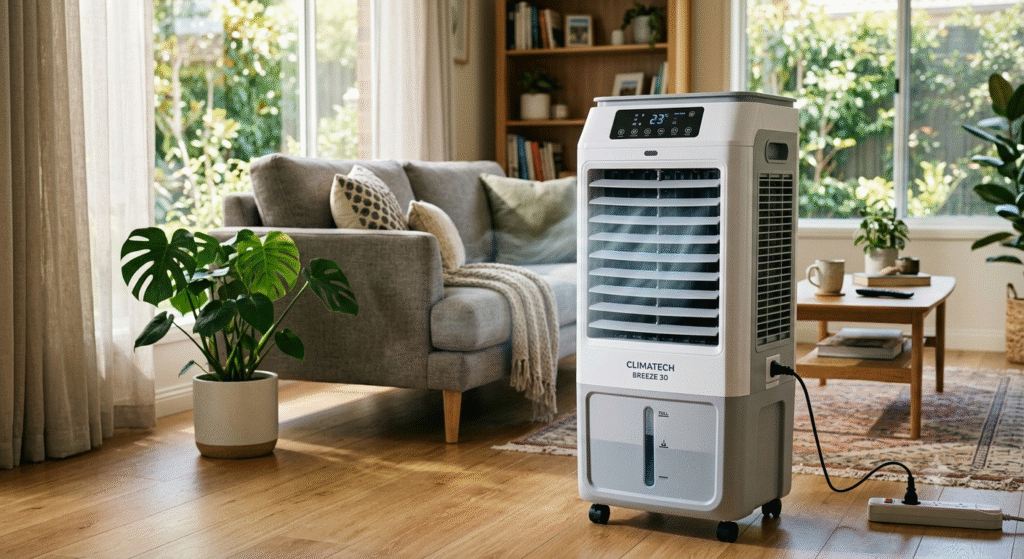
Tower Air Coolers
Best for:
- Modern homes
- Apartments
- Medium-sized rooms
Advantages:
- Space-saving design
- Stylish appearance
- Better vertical airflow
Desert Air Coolers
Best for:
- Large rooms
- Dry climates
- Open spaces
Advantages:
- Large water tanks
- Powerful airflow
- Strong cooling capability
Window Air Coolers
Best for:
- Permanent installation
- Limited floor space
Advantages:
- Saves room space
- Continuous airflow
Product Summary Checklist
Before making your purchase, evaluate each cooler using the following checklist.
| Feature | Importance |
| Room Size Compatibility | High |
| Water Tank Capacity | High |
| Cooling Pad Type | High |
| Airflow Performance | High |
| Energy Efficiency | High |
| Noise Level | Medium |
| Portability | Medium |
| Smart Features | Medium |
| Air Filters | Medium |
| Build Quality | High |
Use this checklist when comparing multiple options.
Pros and Cons of Air Coolers
Pros
- Lower purchase cost
- Energy-efficient operation
- Environmentally friendly
- Easy maintenance
- Portable design
- Fresh air circulation
- No complex installation
Cons
- Reduced effectiveness in humid climates
- Requires water refilling
- Cooling depends on ventilation
- Can increase indoor humidity
- Periodic cleaning required
Understanding these advantages and disadvantages helps set realistic expectations.
Who It’s Best For
Air coolers are particularly suitable for:
Homeowners
Families looking for affordable cooling without high electricity bills.
Apartment Residents
Individuals needing portable cooling solutions.
Students
Budget-conscious users requiring efficient cooling for study spaces.
Small Offices
Workspaces seeking energy-efficient cooling alternatives.
Outdoor Users
People cooling patios, garages, workshops, and semi-open areas.
Environmentally Conscious Consumers
Users seeking greener cooling technologies.
Common Mistakes to Avoid
Many buyers make avoidable mistakes that affect performance and satisfaction.
Ignoring Room Size
A cooler must match the space it is intended to cool.
Choosing Based Solely on Price
The cheapest option may lack durability and performance.
Overlooking Water Tank Capacity
Frequent refilling can become inconvenient.
Neglecting Ventilation Requirements
Air coolers perform best with proper airflow and ventilation.
Ignoring Maintenance Needs
Regular cleaning improves efficiency and extends lifespan.
Not Considering Climate Conditions
Air coolers work best in dry and moderately humid environments.
Expert Tips for Maximum Cooling Performance
Based on user experiences and cooling experts’ recommendations, the following practices can improve results:
Place Near Ventilation
Position the cooler near a window or door to improve air circulation.
Keep Cooling Pads Clean
Clean pads maintain airflow and cooling efficiency.
Use Fresh Water
Fresh water helps maximize cooling effectiveness.
Monitor Water Levels
Running a cooler with insufficient water can reduce performance.
Clean Filters Regularly
Clean filters improve airflow and indoor air quality.
Use During Cooler Parts of the Day
Morning and evening operation often produces better results.
Frequently Asked Questions
Do air coolers consume a lot of electricity?
No. Air coolers typically consume significantly less electricity than air conditioners, making them a cost-effective cooling solution.
Can an air cooler cool an entire house?
Most air coolers are designed for individual rooms or specific areas rather than whole-house cooling.
Are air coolers suitable for humid climates?
They are generally less effective in highly humid conditions because evaporation occurs more slowly.
How often should cooling pads be cleaned?
Regular inspection and monthly cleaning are recommended during peak usage seasons.
What water tank size should I choose?
Choose a tank size based on room size and desired operating duration. Larger rooms generally benefit from larger tanks.
Do air coolers require installation?
Most portable air coolers require little to no installation and can be used immediately after setup.
How long do air coolers last?
With proper maintenance, a quality air cooler can provide reliable performance for many years.
Final Recommendation
Choosing the right air cooler requires balancing room size, cooling performance, energy efficiency, portability, and maintenance requirements. Buyers should focus on airflow capacity, cooling pad quality, water tank size, and overall build quality rather than simply selecting the lowest-priced option.
For smaller rooms, compact personal coolers can provide efficient and affordable cooling. Medium-sized spaces benefit from tower-style units, while larger rooms and dry climates often require powerful desert coolers with larger tanks and stronger airflow.
By carefully evaluating your cooling needs and comparing essential features, you can confidently select an air cooler that delivers comfort, energy savings, and long-term value throughout the hottest months of the year.