
Devices | Features | Price |
|---|---|---|
Towel Warmer | Bathroom |
Few things compare to the comfort of wrapping yourself in a warm, freshly heated towel after a bath or shower. A towel warmer turns that small luxury into an everyday reality. Beyond comfort, towel warmers also serve practical purposes: they dry damp towels, reduce mildew, and even help warm small spaces like bathrooms or spas.
If you’re considering buying one, you’ll quickly discover that towel warmers come in many styles—freestanding buckets, wall-mounted racks, cabinet-style units, and even hydronic heating systems. Each type has unique benefits and best-use scenarios, which can make choosing the right one feel overwhelming.
This buying guide will walk you through everything you need to know, from types of towel warmers to important features, pros and cons, and expert insights. Whether you’re shopping for a home bathroom, spa, or hotel setting, this guide will help you select the perfect warmer for your needs.
What to Consider Before Buying a Towel Warmer
Before you hit the “buy now” button, it’s worth understanding the main factors that separate a high-performing towel warmer from one that disappoints.
1. Type of Towel Warmer
There are four main categories:
- Freestanding Towel Buckets or Cabinets
- Portable and plug-in designs.
- Ideal for bathrooms without wall space.
- Often used in spas and salons.
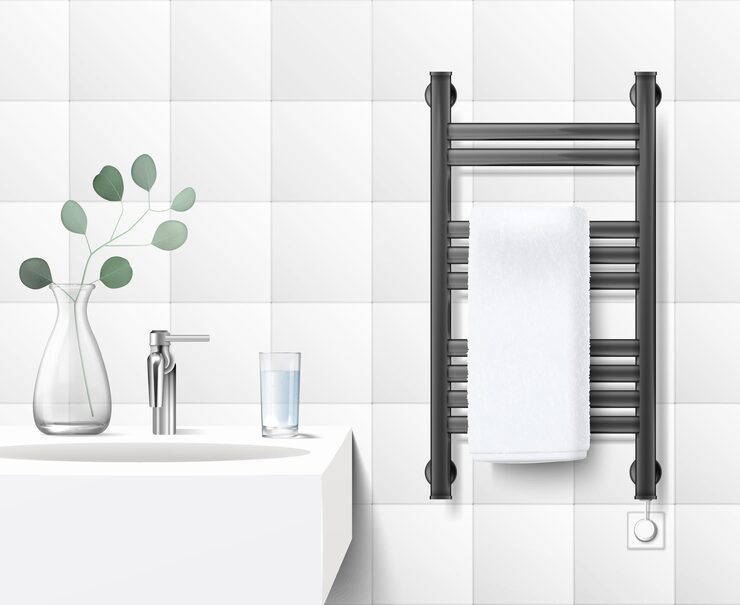
- Wall-Mounted Electric Racks
- Space-saving and stylish.
- Plug-in or hardwired to your electrical system.
- Keeps towels dry and doubles as a small heater.
- Hydronic Racks (Hot Water Powered)
- Connected to your home’s hot water plumbing.
- Energy-efficient for homes with radiant heating systems.
- Professional installation required.
- Freestanding Racks
- Look like standalone ladder racks.
- Easy to move between rooms.
- Good for renters or small apartments.
2. Heating Method
- Electric (Plug-in or Hardwired): Convenient, fast heating, widely available.
- Hydronic: Energy-efficient but installation-heavy.
- Bucket/Enclosure Style: Directly warms towels inside a closed chamber.
3. Size and Capacity
- Single towel vs. multiple towels.
- Family homes may need larger racks or cabinets.
- Spas or salons require bigger, high-capacity warmers.
4. Design and Aesthetics
- Sleek stainless steel or matte black finishes blend with modern bathrooms.
- Traditional chrome racks complement classic interiors.
5. Temperature Control and Safety
- Adjustable heat settings for different towel types.
- Auto shut-off features for safety.
- Surface temperatures should be safe for children.
6. Installation Requirements
- Freestanding = no installation.
- Wall-mounted = may need tools or professional help.
- Hydronic = plumber required.
7. Price and Value
- Budget models: smaller, plug-in buckets.
- Mid-range: wall-mounted racks.
- Premium: hydronic systems or large spa cabinets.
Product Summary: Towel Warmers at a Glance
| Feature | Details |
|---|---|
| Types | Freestanding, wall-mounted, cabinet-style, hydronic |
| Heating Method | Electric plug-in, hardwired, or hot water |
| Capacity | 1–6 towels (home use) or high-capacity (spa/hotel use) |
| Safety Features | Auto shut-off, temperature control |
| Design Options | Stainless steel, chrome, matte finishes, cabinet-style enclosures |
| Use Cases | Homes, spas, hotels, salons, gyms |
| Best For | Anyone wanting comfort, hygiene, and quick towel drying |
Pros & Cons of Towel Warmers
✅ Pros
- Luxurious comfort with warm towels every time.
- Helps towels dry faster, reducing mildew and bacteria.
- Adds spa-like luxury to your bathroom.
- Many designs double as space heaters.
- Portable options available for renters or travelers.
- Suitable for homes, spas, and hotels alike.
❌ Cons
- Some models require professional installation.
- Hydronic systems can be costly.
- Large units take up wall or floor space.
- Electricity use adds to energy bills.
- Not all models hold more than 2–3 towels.
Who It’s Best For
- Homeowners: Ideal for daily comfort and reducing towel laundry.
- Spa Owners: Adds luxury and professional hygiene.
- Hotels & Resorts: Enhances guest experience.
- Families: Larger capacity models serve multiple people.
- Renters: Freestanding units allow portable comfort.
- Elderly & Post-Surgery Patients: Warm towels aid comfort and circulation.
Real-World Use Cases
Everyday Home Use
Imagine stepping out of a morning shower in winter to a warm towel that feels like a soft hug. A towel warmer transforms chilly mornings into cozy routines.
Spas and Salons
In professional settings, towel warmers are essential. They ensure hygienic practices by keeping towels warm, dry, and free from bacteria.
Guest Bathrooms
Hotels and Airbnb rentals that include towel warmers receive glowing reviews because they elevate the stay experience.
Gym or Pool Areas
After swimming or workouts, having access to a dry, heated towel feels refreshing and sanitary.
Comparison: Different Towel Warmer Types
| Type | Best For | Pros | Cons |
|---|---|---|---|
| Freestanding Bucket | Small bathrooms, renters | Portable, affordable, no installation | Limited towel capacity |
| Wall-Mounted Electric | Homeowners, modern bathrooms | Stylish, efficient, doubles as heater | Installation required |
| Hydronic Rack | Energy-conscious households | Uses existing hot water, eco-friendly | High cost, plumber required |
| Freestanding Rack | Renters, multipurpose spaces | Portable, holds multiple towels | Takes up floor space |
| Cabinet Style | Spas, salons, hotels | Large capacity, enclosed, hygienic | Expensive, bulky |
Buying Checklist
Before making your purchase, ask yourself:
- ✅ Do you want plug-and-play convenience or permanent installation?
- ✅ How many towels need warming at once?
- ✅ Do you prefer a sleek design or practical utility?
- ✅ Will you use it for personal comfort or professional needs?
- ✅ Is safety (auto shut-off, cool-touch surfaces) important for kids?
- ✅ What’s your budget—basic luxury or high-end spa-level investment?
FAQs
1. Do towel warmers use a lot of electricity?
No. Most electric towel warmers are energy-efficient, comparable to a small light bulb running for a few hours.
2. How long does it take to heat a towel?
On average, 10–20 minutes for warm comfort. Cabinet-style warmers may take a little longer for thick towels.
3. Can towel warmers heat a bathroom?
Yes. Wall-mounted and hydronic racks radiate heat, helping warm small spaces.
4. Are they safe to leave on all day?
Many models are designed for continuous use and include safety shut-off features. Always check manufacturer instructions.
5. Can I use them for other items besides towels?
Yes. Great for drying swimsuits, baby blankets, robes, and even delicates like hand-washed laundry.
Final Recommendation
A towel warmer is more than just a luxury—it’s a practical addition to homes, spas, hotels, and gyms. It offers everyday comfort, enhances hygiene, and adds value to living or professional spaces.
If you’re:
- A homeowner, consider a wall-mounted electric rack for daily use.
- A renter, a freestanding or bucket-style warmer will be perfect.
- A spa or hotel owner, invest in a cabinet or hydronic system for large-scale use.
In short, towel warmers transform your daily routine into a spa-like experience, combining comfort, cleanliness, and convenience.
👉 For anyone looking to add warmth and wellness to their lifestyle, a towel warmer is a purchase that pays off every single day.
- Smart Cleanup: Buying Guide for Vacuum Cleaners
 Keeping a home clean is easier when you have a vacuum cleaner that matches your lifestyle, floor type, pets, and cleaning routine. The challenge? There are dozens of styles, power levels, and features—making it confusing to know which one is worth your money. This guide breaks down everything you need to make an informed choice,… Read more: Smart Cleanup: Buying Guide for Vacuum Cleaners
 - Smart Cleanup: Buying Guide for Vacuum Cleaners
 Keeping a home clean is easier when you have a vacuum cleaner that matches your lifestyle, floor type, pets, and cleaning routine. The challenge? There are dozens of styles, power levels, and features—making it confusing to know which one is worth your money. This guide breaks down everything you need to make an informed choice,… Read more: Smart Cleanup: Buying Guide for Vacuum Cleaners
 - Smart Cleanup: Buying Guide for Vacuum Cleaners
 Keeping a home clean is easier when you have a vacuum cleaner that matches your lifestyle, floor type, pets, and cleaning routine. The challenge? There are dozens of styles, power levels, and features—making it confusing to know which one is worth your money. This guide breaks down everything you need to make an informed choice,… Read more: Smart Cleanup: Buying Guide for Vacuum Cleaners
 - Fresh Squeeze: The Ultimate Juicer Buying Guide
 Fresh juice is more than a drink—it’s a lifestyle choice. Whether it’s bright morning orange juice, green detox blends, sugar-free fruit mixes for kids, or post-workout vegetable juice, a juicer turns everyday produce into something energizing, healthy, and refreshing. But not all juicers are created equal. Some extract more juice but work slowly. Others are… Read more: Fresh Squeeze: The Ultimate Juicer Buying Guide
 - Smart Cleanup: Buying Guide for Vacuum CleanersDIFFULL Cordless Vacuum Cleaner, 600W 50KPA 70Mins Vacuum Cleaners for Home, Stick Vacuum with 1.8L Cup, Anti-Tangle, 8-Stage Filter System, Green Light for Pet Hair, Carpet, Floor As an Amazon Associate, I earn from qualifying purchases Keeping a home clean is easier when you have a vacuum cleaner that matches your lifestyle, floor type, pets,… Read more: Smart Cleanup: Buying Guide for Vacuum Cleaners
- Foam Magic: The Ultimate Electric Milk Frother Buying Guide
 Making café-style drinks at home has never been easier. Whether it’s a creamy cappuccino, silky latte, hot chocolate, dalgona coffee, or even protein shakes, one simple tool transforms average beverages into café-quality: the electric milk frother. The right milk frother isn’t just for coffee fans—it’s useful for tea lovers, matcha drinkers, hot cocoa fans, and… Read more: Foam Magic: The Ultimate Electric Milk Frother Buying Guide
 - Smart Cuts: The Ultimate Vegetable Cutting Board Guide
 When people think about improving their kitchen, they often picture high-end knives, nonstick pans, or stylish storage. But in everyday cooking—chopping onions, slicing tomatoes, dicing herbs—nothing gets used more than a cutting board, especially for vegetables. The right board keeps knives sharp, protects countertops, improves hygiene, and makes chopping faster and more enjoyable. Yet many… Read more: Smart Cuts: The Ultimate Vegetable Cutting Board Guide
 - How to Choose the Right Security Camera for Your Home
 Projectors have evolved from bulky classroom machines into sleek home-theater and business essentials. Today, whether you want movie nights, gaming on a giant screen, presentations for work, outdoor cinema in the backyard, or educational content for kids, a projector can transform a space in a way no TV can. However, buying one isn’t simple. The… Read more: How to Choose the Right Security Camera for Your Home
 - Stay Safe: Everything You Need to Know About Security Cameras
 Projectors have evolved from bulky classroom machines into sleek home-theater and business essentials. Today, whether you want movie nights, gaming on a giant screen, presentations for work, outdoor cinema in the backyard, or educational content for kids, a projector can transform a space in a way no TV can. However, buying one isn’t simple. The… Read more: Stay Safe: Everything You Need to Know About Security Cameras
 - Secure Your Space – Smart Tips for Choosing a Security Camera
 Projectors have evolved from bulky classroom machines into sleek home-theater and business essentials. Today, whether you want movie nights, gaming on a giant screen, presentations for work, outdoor cinema in the backyard, or educational content for kids, a projector can transform a space in a way no TV can. However, buying one isn’t simple. The… Read more: Secure Your Space – Smart Tips for Choosing a Security Camera
 - Sleep Right: Mattress Buying Guide
 Choosing a mattress sounds simple—until you shop for one. Online stores and furniture showrooms are filled with options: memory foam, hybrid, innerspring, cooling gel, soft, firm, and adjustable. Many claim to improve your sleep, align your spine, or keep you cool, but which mattress actually fits your needs? This helpful buying guide explains how mattresses… Read more: Sleep Right: Mattress Buying Guide
 - Smart Playtime: Buying Guide for Baby Toys
 BEZGAR HQ089 RC Plane, Drones for Kids, 6-axis Gyro Remote Control Airplane, RC Helicopter, Easy Control for Beginners Toys with Colorful LED Navigation Lights As an Amazon Associate, I earn from qualifying purchases Choosing the right baby toy feels simple—until you start shopping. Suddenly, there are hundreds of options claiming to boost learning, improve motor… Read more: Smart Playtime: Buying Guide for Baby Toys
 - Smart Cleanup: Buying Guide for Vacuum CleanersDzaki Cordless Vacuum Cleaner, Stick Vacuum with Smart LED Display, 50KPA 55Mins Vacuum Cleaners for Home, Powerful Suction, Anti-Tangled Lightweight Rechargeable Vac for Pet Hair, Carpet, Hard Floor As an Amazon Associate, I earn from qualifying purchases Keeping a home clean is easier when you have a vacuum cleaner that matches your lifestyle, floor type,… Read more: Smart Cleanup: Buying Guide for Vacuum Cleaners
- Winter Warmth: Buying Guide for the Perfect Winter Jacket
 Rrtizan Heated Vest for Men, 12 Heating Zones 3 Temp Levels, 10000mAh Battery USB-C, Waterproof for Hiking(0086, XL) As an Amazon Associate, I earn from qualifying purchases A winter jacket is not just a seasonal purchase—it’s an investment in warmth, comfort, and durability. Whether you live in a snowy region, commute to school or work… Read more: Winter Warmth: Buying Guide for the Perfect Winter Jacket
 - Safe Space: Buying Guide for Large Baby Playpen
 ZEEBABA Extra Large Baby Playpen – 59x69in Play Yard for Babies & Toddlers, Indoor Play Pen with Breathable Mesh and Gate, Parc pour Bébé (Without Mat) As an Amazon Associate, I earn from qualifying purchases A baby playpen is more than a gated space—it’s a safe zone where little ones can explore, crawl, stand, and… Read more: Safe Space: Buying Guide for Large Baby Playpen