

As an Amazon Associate, I earn from qualifying purchases
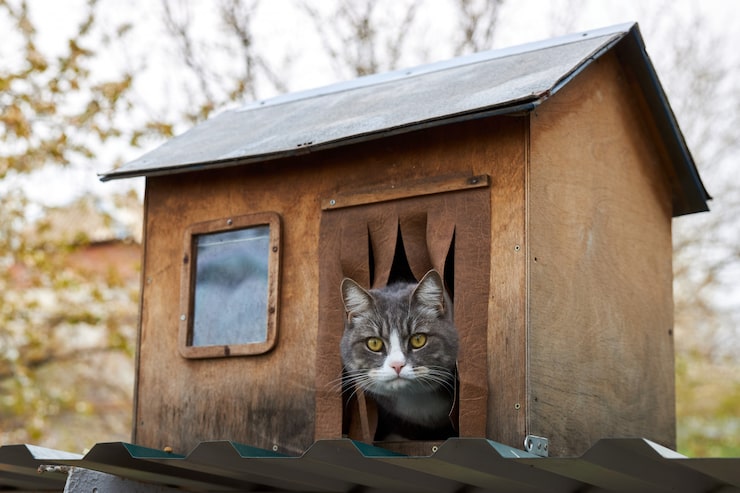
When winter arrives, outdoor cats face one of the toughest challenges of their lives — staying warm, dry, and safe. Whether you care for community cats, feral felines, or simply have a beloved pet who enjoys exploring the outdoors, investing in a heated cat house for outside cats can be one of the most compassionate decisions you make.
These shelters offer more than comfort — they provide safety from the elements, insulation from the cold, and a secure refuge for rest. But with so many models on the market, choosing the right one can be daunting.
This detailed buying guide walks you through everything you need to know before purchasing a heated outdoor cat house — including the key features to consider, the differences between heating types, pros and cons, and expert-backed recommendations to help you choose the perfect warm retreat for your feline friend.
What Is a Heated Cat House?
A heated cat house is a small, insulated shelter designed to keep cats warm and protected from harsh weather. It typically includes a heating pad or mat that maintains a safe temperature for cats to rest on during cold days and nights.
Unlike regular pet houses or simple shelters, heated cat houses are:
- Insulated for warmth retention
- Weatherproof to withstand rain, snow, and wind
- Equipped with safe, low-voltage heaters
- Designed for easy cleaning and maintenance
These shelters are ideal for outdoor cats, feral colonies, or even barn cats, helping them stay comfortable when temperatures drop.
What to Consider Before Buying a Heated Cat House
When selecting the right heated cat house, it’s essential to evaluate several factors, from insulation and safety to size and setup. Below are key points to consider before you buy.
1. Heating Type
Heated cat houses come with different types of heating systems. Choosing the right one depends on your climate, location, and how you plan to power the unit.
| Heating Type | Description | Pros | Cons |
|---|---|---|---|
| Electric Heated Pad | Plug-in pad that provides steady warmth | Consistent heat, suitable for very cold climates | Requires outdoor power outlet |
| Self-Warming Pad | Reflects body heat using thermal material | No electricity needed, safe | Less effective in extreme cold |
| Solar Heated | Uses solar energy to generate warmth | Eco-friendly, cost-saving | Limited on cloudy days |
| Battery-Powered | Uses rechargeable batteries | Portable, easy setup | Limited runtime; needs frequent charging |
💡 Expert Tip: For extremely cold regions, an electric heated pad with automatic temperature regulation provides the most reliable warmth.
2. Safety Features
Since you’re dealing with electricity and animals, safety should be your top priority. Look for these essential features:
- Low voltage heating pads (12V or 24V)
- Chew-resistant cords
- Automatic shutoff or thermostat control
- UL-listed (safety-certified) power systems
- Waterproof electrical connections
Avoid any model that lacks certification or clear safety instructions.
3. Insulation and Material
Outdoor cat houses should withstand moisture, cold air, and predators. Materials matter greatly in this regard.
| Material Type | Advantages | Ideal For |
|---|---|---|
| Plastic / PVC | Waterproof, easy to clean | Rainy climates |
| Wood / Plywood | Natural insulation, strong structure | Mild to cold climates |
| Oxford Fabric / Polyester | Lightweight, foldable, weather-resistant | Portable or temporary setups |
Additionally, look for:
- Double-walled or foam insulation
- Elevated base (to prevent ground moisture)
- Removable floor mats for easy washing
4. Size and Space
The cat house should be snug but not cramped. A properly sized space retains heat effectively while giving your cat enough room to stretch and turn comfortably.
| Number of Cats | Recommended Size |
|---|---|
| Single Cat | 15″–18″ width, 15″–20″ depth |
| Two Cats | 20″–25″ width, 20″–24″ depth |
| Multiple Cats | 30″+ width, multi-compartment design |
Too large a shelter may lose warmth quickly, while too small can feel suffocating.
5. Weatherproofing and Durability
For year-round outdoor use, prioritize:
- Waterproof exterior materials
- Insulated walls and roof
- Weather flaps or doors to block wind and snow
- Raised floor to keep the interior dry
If your area experiences heavy snow or rain, consider houses with angled roofs to allow proper drainage.
6. Ease of Cleaning
Hygiene is crucial for outdoor cats, especially in damp or muddy conditions. Choose designs that feature:
- Removable roofs or side panels
- Washable interiors
- Drain holes or vents for airflow
A house that’s easy to clean will last longer and stay healthier for your cats.
7. Portability and Assembly
Some heated cat houses are foldable or lightweight, ideal for users who move them seasonally or travel. Others are more permanent structures meant for backyards, barns, or garages.
Check for:
- Tool-free assembly
- Velcro or zipper construction
- Compact folding designs for storage
8. Power Source Availability
Electric models require a safe outdoor power outlet. If none is available, you can use:
- Outdoor-rated extension cords
- Battery-powered alternatives
- Solar-assisted heating systems
However, always ensure weatherproof power connections to avoid hazards.
Product Summary: What You Typically Get in a Heated Cat House Kit
While designs vary, most quality heated cat houses come with the following standard components:
| Included Components | Purpose |
|---|---|
| Heated pad or mat | Provides warmth |
| Removable cushion | Adds comfort and insulation |
| Waterproof cover or outer shell | Shields from elements |
| Flap doors or openings | Keeps cold wind out |
| Power adapter / cord | Powers heating element |
| Assembly accessories | Clips, zippers, or Velcro for setup |
Typical Specifications
| Feature | Range |
|---|---|
| Size Options | Small (for 1 cat) to Large (for 3+ cats) |
| Material | Insulated fabric, plastic, or wood |
| Heating Method | Electric / Self-warming / Solar |
| Power Input | 12V–24V |
| Weatherproof Rating | IPX4–IPX6 |
| Assembly | Tool-free / Foldable |
| Cleaning Method | Removable liners, wipeable surfaces |
Pros and Cons of Heated Cat Houses
Pros
✅ Provides essential warmth in winter
✅ Weatherproof and insulated for outdoor safety
✅ Reduces risk of frostbite or hypothermia
✅ Offers comfort to feral and stray cats
✅ Energy-efficient heating options available
✅ Easy to clean and maintain
✅ Can be used in garages, barns, and patios
Cons
❌ Requires access to electricity (for heated models)
❌ May attract wildlife if left unattended
❌ Needs regular cleaning to prevent odor buildup
❌ Some assembly required
❌ Initial investment can be higher than unheated shelters
Who It’s Best For
Heated cat houses are ideal for:
| User Type | Why It’s Perfect |
|---|---|
| Outdoor Cat Owners | Keeps cats safe and warm year-round |
| Animal Shelters & Rescuers | Provides comfort for stray and feral colonies |
| Farmers / Barn Owners | Great for barn cats who control rodents |
| Suburban Homeowners | Ideal for pets who enjoy both indoor and outdoor life |
| Animal Welfare Volunteers | Helps provide humane shelter in community feeding stations |
Whether you’re protecting one beloved outdoor kitty or caring for an entire colony, these shelters are a compassionate investment in feline welfare.
Expert Insights and Real-World Tips
Based on research and feedback from cat owners and animal care specialists, here are key insights to guide your purchase:
1. Location Matters
Place the cat house in a quiet, sheltered area away from wind and predators — such as under a porch, beside a wall, or inside a barn.
2. Use Straw, Not Blankets
Blankets absorb moisture and freeze, while straw repels water and retains heat, making it the best bedding material for outdoor shelters.
3. Check Electrical Safety Regularly
Inspect cords for wear, ensure outlets are GFCI-protected, and keep cables out of reach of chewing.
4. Keep It Off the Ground
A slightly elevated cat house prevents heat loss and avoids contact with wet or snowy surfaces.
5. Provide Two Entrances
If possible, select a design with dual doors — one for entry and one for escape — to make cats feel safer.
6. Introduce Gradually
If your cat is new to outdoor shelters, encourage them with treats or toys inside until they become comfortable.
Use Cases: Where and How to Use Heated Cat Houses
1. Backyard or Porch Shelter
Perfect for neighborhood strays or outdoor pets that like to nap on the deck.
2. Barn or Shed Warmth
Keeps working cats safe and cozy during long winter nights in rural areas.
3. Garage Refuge
For semi-outdoor cats that spend time near home but prefer independence.
4. Rescue and Foster Programs
Animal rescuers often set up multiple heated shelters to care for colonies in urban or suburban areas.
5. Vacation Homes and Cabins
Provides ongoing warmth for resident animals while owners are away.
Comparison: Heated vs. Non-Heated Cat Houses
| Feature | Heated Cat House | Non-Heated Cat House |
|---|---|---|
| Warmth Level | Excellent (consistent heat) | Depends on insulation only |
| Energy Use | Requires power source | No electricity |
| Best For | Freezing climates | Mild weather |
| Cost | Higher upfront | More affordable |
| Maintenance | Moderate | Low |
| Comfort | Superior warmth and safety | Basic protection |
Verdict: For cold climates, heated cat houses are the clear winner. For milder regions, non-heated insulated models may suffice.
FAQs About Heated Cat Houses for Outside Cats
Q1. Are heated cat houses safe for kittens?
Yes, but always monitor the temperature. Choose models with automatic thermostats and ensure kittens can move away from the heat if they feel too warm.
Q2. Can I leave a heated cat house plugged in all the time?
Yes, most are designed for continuous use. However, inspect cords periodically and use outdoor-rated extension cords for safety.
Q3. How much electricity do they use?
Heated pads typically use 20–40 watts, which is very energy-efficient — comparable to a small light bulb.
Q4. How can I attract outdoor cats to use the house?
Place catnip, treats, or familiar bedding inside. Over time, cats recognize it as a safe refuge.
Q5. Do they work in heavy snow or rain?
Absolutely — provided the model has waterproofing and raised flooring. For severe weather, place it under a covered area.
Q6. Can these houses also be used indoors?
Yes! Many models work equally well in garages, sunrooms, or enclosed porches.
Final Recommendation
If you care for outdoor or community cats, a heated cat house is one of the most effective ways to protect them from harsh weather while ensuring safety and comfort.
When choosing the right model:
- Prioritize safety-certified heating systems
- Look for durable, weatherproof materials
- Ensure adequate insulation and ventilation
- Choose a size suitable for your cat (or colony)
- Verify easy cleaning and assembly features
Our Verdict:
A 50W or less low-voltage heated house, equipped with insulated walls, weather flaps, and removable liners, is the sweet spot between safety, comfort, and durability.
Not only does it offer warmth during freezing nights, but it also gives outdoor cats a secure, cozy home — something every feline deserves.
Latest Post
- Smart Cleanup: Buying Guide for Vacuum Cleaners
 Keeping a home clean is easier when you have a vacuum cleaner that matches your lifestyle, floor type, pets, and cleaning routine. The challenge? There are dozens of styles, power levels, and features—making it confusing to know which one is worth your money. This guide breaks down everything you need to make an informed choice,… Read more: Smart Cleanup: Buying Guide for Vacuum Cleaners
 - Smart Cleanup: Buying Guide for Vacuum Cleaners
 Keeping a home clean is easier when you have a vacuum cleaner that matches your lifestyle, floor type, pets, and cleaning routine. The challenge? There are dozens of styles, power levels, and features—making it confusing to know which one is worth your money. This guide breaks down everything you need to make an informed choice,… Read more: Smart Cleanup: Buying Guide for Vacuum Cleaners
 - Smart Cleanup: Buying Guide for Vacuum Cleaners
 Keeping a home clean is easier when you have a vacuum cleaner that matches your lifestyle, floor type, pets, and cleaning routine. The challenge? There are dozens of styles, power levels, and features—making it confusing to know which one is worth your money. This guide breaks down everything you need to make an informed choice,… Read more: Smart Cleanup: Buying Guide for Vacuum Cleaners
 - Fresh Squeeze: The Ultimate Juicer Buying Guide
 Fresh juice is more than a drink—it’s a lifestyle choice. Whether it’s bright morning orange juice, green detox blends, sugar-free fruit mixes for kids, or post-workout vegetable juice, a juicer turns everyday produce into something energizing, healthy, and refreshing. But not all juicers are created equal. Some extract more juice but work slowly. Others are… Read more: Fresh Squeeze: The Ultimate Juicer Buying Guide
 - Smart Cleanup: Buying Guide for Vacuum CleanersDIFFULL Cordless Vacuum Cleaner, 600W 50KPA 70Mins Vacuum Cleaners for Home, Stick Vacuum with 1.8L Cup, Anti-Tangle, 8-Stage Filter System, Green Light for Pet Hair, Carpet, Floor As an Amazon Associate, I earn from qualifying purchases Keeping a home clean is easier when you have a vacuum cleaner that matches your lifestyle, floor type, pets,… Read more: Smart Cleanup: Buying Guide for Vacuum Cleaners
- Foam Magic: The Ultimate Electric Milk Frother Buying Guide
 Making café-style drinks at home has never been easier. Whether it’s a creamy cappuccino, silky latte, hot chocolate, dalgona coffee, or even protein shakes, one simple tool transforms average beverages into café-quality: the electric milk frother. The right milk frother isn’t just for coffee fans—it’s useful for tea lovers, matcha drinkers, hot cocoa fans, and… Read more: Foam Magic: The Ultimate Electric Milk Frother Buying Guide
 - Smart Cuts: The Ultimate Vegetable Cutting Board Guide
 When people think about improving their kitchen, they often picture high-end knives, nonstick pans, or stylish storage. But in everyday cooking—chopping onions, slicing tomatoes, dicing herbs—nothing gets used more than a cutting board, especially for vegetables. The right board keeps knives sharp, protects countertops, improves hygiene, and makes chopping faster and more enjoyable. Yet many… Read more: Smart Cuts: The Ultimate Vegetable Cutting Board Guide
 - How to Choose the Right Security Camera for Your Home
 Projectors have evolved from bulky classroom machines into sleek home-theater and business essentials. Today, whether you want movie nights, gaming on a giant screen, presentations for work, outdoor cinema in the backyard, or educational content for kids, a projector can transform a space in a way no TV can. However, buying one isn’t simple. The… Read more: How to Choose the Right Security Camera for Your Home
 - Stay Safe: Everything You Need to Know About Security Cameras
 Projectors have evolved from bulky classroom machines into sleek home-theater and business essentials. Today, whether you want movie nights, gaming on a giant screen, presentations for work, outdoor cinema in the backyard, or educational content for kids, a projector can transform a space in a way no TV can. However, buying one isn’t simple. The… Read more: Stay Safe: Everything You Need to Know About Security Cameras
 - Secure Your Space – Smart Tips for Choosing a Security Camera
 Projectors have evolved from bulky classroom machines into sleek home-theater and business essentials. Today, whether you want movie nights, gaming on a giant screen, presentations for work, outdoor cinema in the backyard, or educational content for kids, a projector can transform a space in a way no TV can. However, buying one isn’t simple. The… Read more: Secure Your Space – Smart Tips for Choosing a Security Camera
 - Sleep Right: Mattress Buying Guide
 Choosing a mattress sounds simple—until you shop for one. Online stores and furniture showrooms are filled with options: memory foam, hybrid, innerspring, cooling gel, soft, firm, and adjustable. Many claim to improve your sleep, align your spine, or keep you cool, but which mattress actually fits your needs? This helpful buying guide explains how mattresses… Read more: Sleep Right: Mattress Buying Guide
 - Smart Playtime: Buying Guide for Baby Toys
 BEZGAR HQ089 RC Plane, Drones for Kids, 6-axis Gyro Remote Control Airplane, RC Helicopter, Easy Control for Beginners Toys with Colorful LED Navigation Lights As an Amazon Associate, I earn from qualifying purchases Choosing the right baby toy feels simple—until you start shopping. Suddenly, there are hundreds of options claiming to boost learning, improve motor… Read more: Smart Playtime: Buying Guide for Baby Toys
 - Smart Cleanup: Buying Guide for Vacuum CleanersDzaki Cordless Vacuum Cleaner, Stick Vacuum with Smart LED Display, 50KPA 55Mins Vacuum Cleaners for Home, Powerful Suction, Anti-Tangled Lightweight Rechargeable Vac for Pet Hair, Carpet, Hard Floor As an Amazon Associate, I earn from qualifying purchases Keeping a home clean is easier when you have a vacuum cleaner that matches your lifestyle, floor type,… Read more: Smart Cleanup: Buying Guide for Vacuum Cleaners
- Winter Warmth: Buying Guide for the Perfect Winter Jacket
 Rrtizan Heated Vest for Men, 12 Heating Zones 3 Temp Levels, 10000mAh Battery USB-C, Waterproof for Hiking(0086, XL) As an Amazon Associate, I earn from qualifying purchases A winter jacket is not just a seasonal purchase—it’s an investment in warmth, comfort, and durability. Whether you live in a snowy region, commute to school or work… Read more: Winter Warmth: Buying Guide for the Perfect Winter Jacket
 - Safe Space: Buying Guide for Large Baby Playpen
 ZEEBABA Extra Large Baby Playpen – 59x69in Play Yard for Babies & Toddlers, Indoor Play Pen with Breathable Mesh and Gate, Parc pour Bébé (Without Mat) As an Amazon Associate, I earn from qualifying purchases A baby playpen is more than a gated space—it’s a safe zone where little ones can explore, crawl, stand, and… Read more: Safe Space: Buying Guide for Large Baby Playpen