
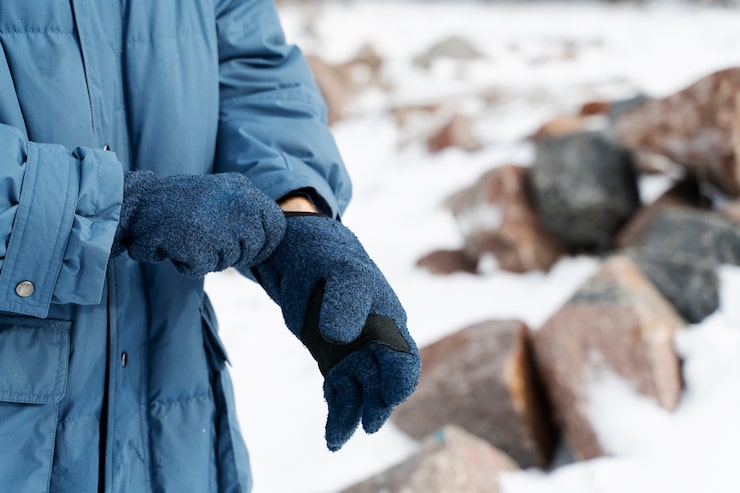
Cold weather can be beautiful, but it also brings challenges—especially for your hands. Whether you’re skiing down snowy slopes, riding your motorcycle in winter, working outdoors, or just walking the dog on a frosty morning, cold fingers can make life uncomfortable and even unsafe. That’s where heated gloves come in.
Unlike regular winter gloves, heated gloves use advanced materials and built-in heating elements to keep your hands warm even in extreme conditions. But with so many types and technologies available, how do you choose the right pair? This guide will break down everything you need to know—what features to look for, how they compare, pros and cons, and who they’re best suited for.
Devices | Features | Price |
|---|---|---|
Heated Gloves, | 5000mAh Rechargeable Battery |
What to Consider Before Buying Heated Gloves
Before investing in heated gloves, you’ll want to evaluate several important factors:
1. Heating Technology
Heated gloves use two primary methods:
- Battery-powered gloves: Rechargeable lithium-ion batteries power heating elements inside the gloves. These are the most common and portable option.
- Chemical warmers: Use disposable heat packs inserted into glove pockets. Convenient but less eco-friendly.
2. Heat Settings
Most modern gloves offer multiple temperature levels. Adjustable settings let you choose between conserving battery life or maximizing warmth.
3. Battery Life
- 2–4 hours: Basic models, good for short activities.
- 5–8 hours: Mid-range options, ideal for daily commutes or outdoor work.
- 8–12+ hours: High-end gloves, designed for skiing, hiking, or long work shifts.
4. Material and Insulation
Good heated gloves balance heating elements with natural insulation. Look for:
- Leather or synthetic shells: Durable and wind-resistant.
- Thinsulate or fleece linings: Retain warmth and add comfort.
- Waterproof membranes: Essential for snow sports or wet conditions.
5. Fit and Comfort
A proper fit is critical. Too tight, and circulation suffers; too loose, and heat escapes. Many models also feature adjustable wrist straps or drawstrings to keep out cold air.
6. Touchscreen Compatibility
If you use your phone outdoors, gloves with touchscreen fingertips save you from removing them in freezing temperatures.
7. Safety Features
Overheating protection, waterproof batteries, and flame-resistant fabrics are all signs of a well-designed heated glove.
8. Price vs. Durability
Heated gloves range from budget-friendly to premium. Investing in higher-quality gloves usually means better heating, longer battery life, and durability for multiple winters.
Product Summary: Types of Heated Gloves
Here’s a quick comparison of common heated glove types:
| Type of Heated Glove | Best For | Key Features | Heat Duration | Portability | Price Level |
|---|---|---|---|---|---|
| Everyday Heated Gloves | Commuting, light use | Lightweight, moderate insulation | 3–6 hrs | Excellent | Low-Mid |
| Outdoor Work Gloves | Construction, farming | Heavy-duty, reinforced, waterproof | 5–8 hrs | Good | Mid-High |
| Skiing/Snowboarding | Sports enthusiasts | Waterproof, breathable, high heat | 6–10 hrs | Medium | High |
| Motorcycle Gloves | Riders in cold weather | Windproof, protective shells | 5–8 hrs | Medium | Mid-High |
| Liner-Style Heated Gloves | Worn under regular gloves | Ultra-thin, flexible, versatile | 2–4 hrs | Excellent | Low |
Pros & Cons of Heated Gloves
✅ Pros
- Consistent warmth: Prevents numbness and frostbite risk.
- Adjustable settings: Customizable comfort for different activities.
- Versatility: Available for sports, work, riding, and everyday use.
- Battery-powered convenience: Rechargeable and portable.
- Improved circulation: Especially helpful for those with Raynaud’s disease or arthritis.
❌ Cons
- Battery dependence: Limited heat once the battery runs out.
- Higher cost: More expensive than traditional gloves.
- Maintenance required: Batteries need charging; liners may need occasional replacement.
- Bulkier feel: Some models are heavier than regular winter gloves.
Who It’s Best For
Heated gloves aren’t just for adventurers—they serve a wide range of people:
- Outdoor Workers: Construction crews, farmers, and delivery drivers benefit from gloves that withstand long exposure to cold.
- Winter Sports Enthusiasts: Skiers, snowboarders, and snowmobilers appreciate reliable warmth and waterproofing.
- Motorcyclists: Cold-weather riders need windproof gloves that provide both safety and warmth.
- Everyday Commuters: Those who walk, cycle, or wait for public transport in winter enjoy consistent comfort.
- Health-Conscious Users: People with circulation issues, arthritis, or Raynaud’s syndrome often find heated gloves relieve discomfort.
Real Insights: Practical Experiences
- Cyclists report that gloves with slim profiles and good battery life are best, since bulkier designs can interfere with grip.
- Skiers highlight the importance of waterproofing—cheap models may get soaked, rendering heating useless.
- Motorcyclists prefer gloves with protective shells, not just warmth, since safety is paramount on the road.
- Outdoor workers often recommend carrying a spare battery pack, as long shifts can outlast a single charge.
- Everyday users enjoy touchscreen compatibility, saying it’s a small feature that makes a big difference.
FAQs
Q1: How long do heated gloves take to warm up?
Most models start warming within 30–60 seconds, reaching full heat in a few minutes.
Q2: Can I wash heated gloves?
Most gloves come with removable battery packs and can be hand-washed or machine-washed on gentle settings. Always check the manufacturer’s care instructions.
Q3: Are heated gloves safe to use?
Yes, as long as they include overheat protection and are used according to guidelines. High-quality gloves are designed with safety in mind.
Q4: Can heated gloves be used without turning on the heat?
Yes. Most have enough natural insulation to function as regular winter gloves when the heat is off.
Q5: What temperature range do heated gloves provide?
Typically between 100°F to 150°F (37°C to 65°C), depending on the model and setting.
Q6: Are heated gloves waterproof?
Not all. If you need gloves for skiing, snowboarding, or wet environments, choose waterproof or water-resistant designs.
Final Recommendation
Heated gloves can transform your winter experience—no more numb fingers, no more cutting activities short because of the cold. Choosing the right pair depends on your lifestyle:
- Everyday users should opt for lightweight gloves with touchscreen features and moderate battery life.
- Outdoor workers need rugged, waterproof gloves with reinforced materials.
- Skiers and snowboarders should focus on water resistance, breathability, and long-lasting batteries.
- Motorcyclists should choose windproof, armored designs for safety and comfort.
- Health-conscious individuals may prioritize gloves with adjustable heat settings for maximum comfort and circulation support.
While heated gloves do require an investment, they offer unmatched comfort and protection in harsh weather. If staying outdoors longer, working efficiently, or simply keeping warm during a winter commute matters to you, heated gloves are worth it.