

As an Amazon Associate, I earn from qualifying purchases
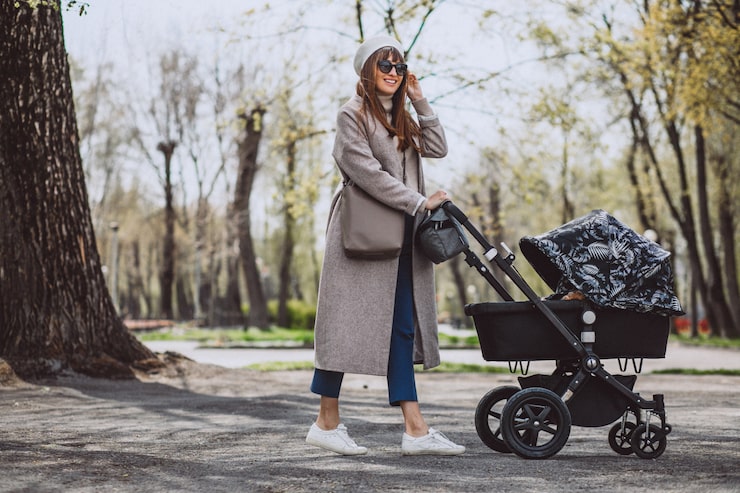
A stroller is one of the most important purchases parents make when preparing for life with a baby. It isn’t just a piece of gear—it’s an everyday essential that ensures comfort for your child and convenience for you. Whether it’s quick walks in the park, daily errands, or long family trips, the right stroller can make your journey smooth, safe, and enjoyable.
With so many stroller types and features on the market, it can feel overwhelming to pick the right one. Should you choose a lightweight umbrella stroller or a full-sized one? Is a jogging stroller worth it for your lifestyle? How do you balance safety, comfort, and budget?
This buying guideline will walk you through everything you need to know—from stroller types and key features to pros and cons, comparisons, and expert insights.
What to Consider Before Buying a Baby Stroller
Before you commit to a stroller, here are essential factors every parent should weigh:
1. Lifestyle Needs
- Urban parents: Compact, lightweight strollers with easy folding mechanisms are ideal for tight sidewalks and public transport.
- Suburban or rural families: A full-sized stroller with sturdy wheels and ample storage may serve better.
- Active parents: Jogging strollers with shock absorption and larger wheels are perfect for outdoor workouts.
2. Safety Features
Look for:
- A five-point harness to secure your baby safely.
- Strong brakes that lock both rear wheels.
- A sturdy frame that doesn’t tip easily.
- JPMA (Juvenile Products Manufacturers Association) or similar certifications.
3. Weight & Size
- Lightweight models (under 15 lbs): Easy to carry and fold, great for travel.
- Standard strollers (15–25 lbs): More features and storage, less portable.
- Double strollers: Heavier, but essential if you have twins or two young children.
4. Maneuverability
- Swivel front wheels for easy turning.
- Large back wheels for uneven surfaces.
- Adjustable handles for taller or shorter parents.
5. Comfort for Baby
- Reclining seat for naps.
- Padded seat with breathable fabric.
- Adjustable canopy for sun and rain protection.
- Smooth ride with suspension/shock absorption.
6. Ease of Use for Parents
- One-hand fold mechanism.
- Large under-seat basket.
- Cup holders or parent trays for convenience.
- Car seat compatibility for travel systems.
Different Types of Baby Strollers
Understanding stroller categories helps you narrow down your options:
1. Full-Sized Strollers
- Everyday use, versatile features, durable.
- Pros: Long-lasting, roomy, comfortable.
- Cons: Bulky, heavier, takes space in cars.
2. Lightweight/Umbrella Strollers
- Compact, great for travel.
- Pros: Easy to fold, portable.
- Cons: Less padding, limited storage, not ideal for infants.
3. Jogging Strollers
- Designed for active parents.
- Pros: Air-filled tires, smooth ride, excellent on rough terrain.
- Cons: Heavier, less compact, not suitable for newborns unless car seat compatible.
4. Double Strollers
- For twins or two young kids.
- Options: Side-by-side or tandem (one seat behind the other).
- Pros: Convenient for multiple children.
- Cons: Large, heavy, tricky in crowded spaces.
5. Travel Systems
- Stroller + infant car seat combo.
- Pros: Saves money as a bundle, convenient for newborns.
- Cons: Can be heavier and bulkier.
Product Summary
To make things scannable, here’s a quick summary of stroller types and best use cases:
| Stroller Type | Best For | Pros | Cons |
|---|---|---|---|
| Full-Sized Stroller | Everyday use, long-term | Durable, roomy, versatile | Heavy, not travel-friendly |
| Lightweight/Umbrella | Travel, quick trips | Portable, compact, affordable | Less comfort, minimal storage |
| Jogging Stroller | Active parents, outdoor use | Smooth ride, shock absorption | Bulky, heavier |
| Double Stroller | Families with twins or 2 young kids | Convenient, versatile | Large, harder to maneuver |
| Travel System | Newborn-friendly, car compatibility | All-in-one solution, practical | Heavier, costlier |
Pros & Cons of Buying a Baby Stroller
Pros:
- Convenience: Makes outings manageable.
- Safety: Keeps your child secure.
- Comfort: Adjustable seating and canopies protect from sun and rain.
- Storage: Handy for diaper bags, groceries, or personal items.
- Variety: Models designed for different lifestyles.
Cons:
- Price range: Quality models can be costly.
- Size: Some strollers are heavy and bulky.
- Maintenance: Tires and fabrics may need cleaning or repairs.
- Limited longevity: Lightweight or travel strollers may only suit certain age ranges.
Who It’s Best For
- First-time parents: Travel systems or full-sized strollers are versatile and grow with your child.
- Frequent travelers: Lightweight/umbrella strollers are best for airports, buses, or small cars.
- Fitness enthusiasts: Jogging strollers provide smooth rides for running paths.
- Parents with multiple young kids: Double strollers help balance convenience with care.
- Urban dwellers: Compact strollers that fold easily are perfect for small apartments and crowded sidewalks.
Expert Insights & Real-Life Experiences
Parents often share that choosing a stroller is less about brand and more about matching features to lifestyle. For example:
- Urban parents often regret buying bulky strollers that don’t fit through doors or subway stations.
- Suburban parents love strollers with big baskets to carry groceries and baby gear.
- Jogging strollers are often praised for handling rough parks and trails but may be left unused if parents aren’t active.
Experts recommend always testing maneuverability in-store (if possible), checking the folding mechanism, and confirming it fits in your car trunk before purchase.
FAQs
1. Can newborns use all strollers?
Not all. Newborns need strollers with fully reclining seats or compatibility with infant car seats.
2. What’s the lifespan of a stroller?
Most strollers can last from infancy to toddler years (3–4 years). Some full-sized ones work until 50 lbs weight capacity.
3. Are jogging strollers safe for newborns?
No, unless they are car seat compatible. Babies need strong neck support.
4. What’s the difference between an umbrella stroller and a lightweight stroller?
They are often the same, but umbrella strollers are usually even more compact with curved handles.
5. Do I need more than one stroller?
Sometimes yes. Many parents use a full-sized stroller at home and a lightweight one for travel.
Final Recommendation
Choosing the best baby stroller depends on your lifestyle, space, and daily routines. If you want a long-term investment, a full-sized stroller or travel system is ideal. For parents constantly on the go, a lightweight stroller saves hassle. Active families benefit from a jogging stroller, while households with multiple kids will need a double stroller.
The right stroller ensures your baby’s safety and comfort while making your life easier. Take time to compare features, test maneuverability, and balance convenience with budget. A stroller isn’t just baby gear—it’s your trusted companion for countless family moments.
Latest Post
- Smart Cleanup: Buying Guide for Vacuum Cleaners
 Keeping a home clean is easier when you have a vacuum cleaner that matches your lifestyle, floor type, pets, and cleaning routine. The challenge? There are dozens of styles, power levels, and features—making it confusing to know which one is worth your money. This guide breaks down everything you need to make an informed choice,… Read more: Smart Cleanup: Buying Guide for Vacuum Cleaners
 - Smart Cleanup: Buying Guide for Vacuum Cleaners
 Keeping a home clean is easier when you have a vacuum cleaner that matches your lifestyle, floor type, pets, and cleaning routine. The challenge? There are dozens of styles, power levels, and features—making it confusing to know which one is worth your money. This guide breaks down everything you need to make an informed choice,… Read more: Smart Cleanup: Buying Guide for Vacuum Cleaners
 - Smart Cleanup: Buying Guide for Vacuum Cleaners
 Keeping a home clean is easier when you have a vacuum cleaner that matches your lifestyle, floor type, pets, and cleaning routine. The challenge? There are dozens of styles, power levels, and features—making it confusing to know which one is worth your money. This guide breaks down everything you need to make an informed choice,… Read more: Smart Cleanup: Buying Guide for Vacuum Cleaners
 - Fresh Squeeze: The Ultimate Juicer Buying Guide
 Fresh juice is more than a drink—it’s a lifestyle choice. Whether it’s bright morning orange juice, green detox blends, sugar-free fruit mixes for kids, or post-workout vegetable juice, a juicer turns everyday produce into something energizing, healthy, and refreshing. But not all juicers are created equal. Some extract more juice but work slowly. Others are… Read more: Fresh Squeeze: The Ultimate Juicer Buying Guide
 - Smart Cleanup: Buying Guide for Vacuum CleanersDIFFULL Cordless Vacuum Cleaner, 600W 50KPA 70Mins Vacuum Cleaners for Home, Stick Vacuum with 1.8L Cup, Anti-Tangle, 8-Stage Filter System, Green Light for Pet Hair, Carpet, Floor As an Amazon Associate, I earn from qualifying purchases Keeping a home clean is easier when you have a vacuum cleaner that matches your lifestyle, floor type, pets,… Read more: Smart Cleanup: Buying Guide for Vacuum Cleaners
- Foam Magic: The Ultimate Electric Milk Frother Buying Guide
 Making café-style drinks at home has never been easier. Whether it’s a creamy cappuccino, silky latte, hot chocolate, dalgona coffee, or even protein shakes, one simple tool transforms average beverages into café-quality: the electric milk frother. The right milk frother isn’t just for coffee fans—it’s useful for tea lovers, matcha drinkers, hot cocoa fans, and… Read more: Foam Magic: The Ultimate Electric Milk Frother Buying Guide
 - Smart Cuts: The Ultimate Vegetable Cutting Board Guide
 When people think about improving their kitchen, they often picture high-end knives, nonstick pans, or stylish storage. But in everyday cooking—chopping onions, slicing tomatoes, dicing herbs—nothing gets used more than a cutting board, especially for vegetables. The right board keeps knives sharp, protects countertops, improves hygiene, and makes chopping faster and more enjoyable. Yet many… Read more: Smart Cuts: The Ultimate Vegetable Cutting Board Guide
 - How to Choose the Right Security Camera for Your Home
 Projectors have evolved from bulky classroom machines into sleek home-theater and business essentials. Today, whether you want movie nights, gaming on a giant screen, presentations for work, outdoor cinema in the backyard, or educational content for kids, a projector can transform a space in a way no TV can. However, buying one isn’t simple. The… Read more: How to Choose the Right Security Camera for Your Home
 - Stay Safe: Everything You Need to Know About Security Cameras
 Projectors have evolved from bulky classroom machines into sleek home-theater and business essentials. Today, whether you want movie nights, gaming on a giant screen, presentations for work, outdoor cinema in the backyard, or educational content for kids, a projector can transform a space in a way no TV can. However, buying one isn’t simple. The… Read more: Stay Safe: Everything You Need to Know About Security Cameras
 - Secure Your Space – Smart Tips for Choosing a Security Camera
 Projectors have evolved from bulky classroom machines into sleek home-theater and business essentials. Today, whether you want movie nights, gaming on a giant screen, presentations for work, outdoor cinema in the backyard, or educational content for kids, a projector can transform a space in a way no TV can. However, buying one isn’t simple. The… Read more: Secure Your Space – Smart Tips for Choosing a Security Camera
 - Sleep Right: Mattress Buying Guide
 Choosing a mattress sounds simple—until you shop for one. Online stores and furniture showrooms are filled with options: memory foam, hybrid, innerspring, cooling gel, soft, firm, and adjustable. Many claim to improve your sleep, align your spine, or keep you cool, but which mattress actually fits your needs? This helpful buying guide explains how mattresses… Read more: Sleep Right: Mattress Buying Guide
 - Smart Playtime: Buying Guide for Baby Toys
 BEZGAR HQ089 RC Plane, Drones for Kids, 6-axis Gyro Remote Control Airplane, RC Helicopter, Easy Control for Beginners Toys with Colorful LED Navigation Lights As an Amazon Associate, I earn from qualifying purchases Choosing the right baby toy feels simple—until you start shopping. Suddenly, there are hundreds of options claiming to boost learning, improve motor… Read more: Smart Playtime: Buying Guide for Baby Toys
 - Smart Cleanup: Buying Guide for Vacuum CleanersDzaki Cordless Vacuum Cleaner, Stick Vacuum with Smart LED Display, 50KPA 55Mins Vacuum Cleaners for Home, Powerful Suction, Anti-Tangled Lightweight Rechargeable Vac for Pet Hair, Carpet, Hard Floor As an Amazon Associate, I earn from qualifying purchases Keeping a home clean is easier when you have a vacuum cleaner that matches your lifestyle, floor type,… Read more: Smart Cleanup: Buying Guide for Vacuum Cleaners
- Winter Warmth: Buying Guide for the Perfect Winter Jacket
 Rrtizan Heated Vest for Men, 12 Heating Zones 3 Temp Levels, 10000mAh Battery USB-C, Waterproof for Hiking(0086, XL) As an Amazon Associate, I earn from qualifying purchases A winter jacket is not just a seasonal purchase—it’s an investment in warmth, comfort, and durability. Whether you live in a snowy region, commute to school or work… Read more: Winter Warmth: Buying Guide for the Perfect Winter Jacket
 - Safe Space: Buying Guide for Large Baby Playpen
 ZEEBABA Extra Large Baby Playpen – 59x69in Play Yard for Babies & Toddlers, Indoor Play Pen with Breathable Mesh and Gate, Parc pour Bébé (Without Mat) As an Amazon Associate, I earn from qualifying purchases A baby playpen is more than a gated space—it’s a safe zone where little ones can explore, crawl, stand, and… Read more: Safe Space: Buying Guide for Large Baby Playpen