
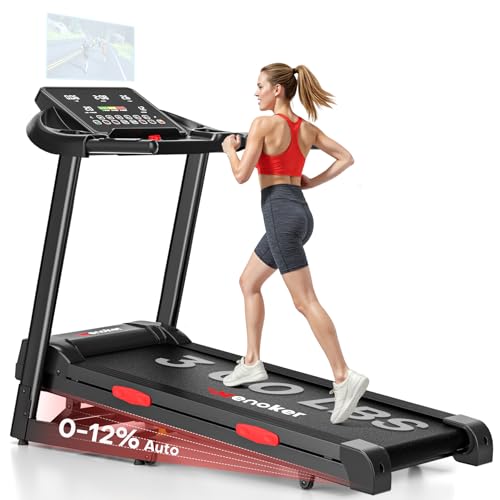
As an Amazon Associate, I earn from qualifying purchases
Walking or running is one of the simplest and most effective ways to stay fit — but weather, safety, or time constraints can make outdoor workouts challenging. That’s where a treadmill with incline becomes a game changer. It allows you to simulate uphill running, torch more calories, and strengthen your muscles — all within the comfort of your home.
Whether you’re setting up a small home gym or upgrading from a basic treadmill, understanding what to look for can make a world of difference. In this guide, you’ll learn everything you need to know before buying a treadmill with incline for home use — from motor power and incline range to cushioning, size, noise levels, and more.
Why an Incline Treadmill Is Worth It
Incline treadmills aren’t just for serious runners — they’re ideal for anyone wanting to maximize calorie burn and engage more muscle groups without increasing speed or impact.
Here’s why an incline option matters:
- Burn More Calories: A 10% incline can double calorie expenditure compared to flat walking.
- Build Strength: Targets glutes, calves, hamstrings, and core muscles.
- Low-Impact Workout: Walking uphill reduces knee stress compared to jogging on flat surfaces.
- Simulates Real Terrain: Perfect for preparing for hikes or outdoor runs.
- Variety: Prevents boredom by allowing multiple training modes and intensities.
If your fitness goals include toning, endurance, or weight loss, an incline treadmill offers superior versatility compared to flat models.
What to Consider Before Buying a Treadmill with Incline
Buying a treadmill is a long-term investment in your health, so you want to make sure it matches your lifestyle, goals, and available space. Here are the key factors to keep in mind:
1. Motor Power and Performance
The treadmill’s motor determines how smoothly it operates and how well it handles different speeds and inclines.
| User Type | Recommended Motor (Continuous Horsepower) |
|---|---|
| Walkers | 2.0 – 2.5 CHP |
| Joggers | 2.5 – 3.0 CHP |
| Runners | 3.0+ CHP |
A stronger motor ensures smoother transitions, less noise, and better durability. For households with multiple users, opt for at least 3.0 CHP.
Expert Insight: A motor running at half its maximum capacity lasts longer than one constantly operating at its limit. It’s often worth investing in higher horsepower if you plan daily use.
2. Incline Range and Control
Incline capabilities are what set these treadmills apart. They can range from 0% (flat) to 15–20% for steep climbs. Some even include decline settings to mimic downhill terrain.
- Manual Incline: You adjust it physically — more affordable, but less convenient.
- Automatic Incline: Controlled via buttons or preset programs — ideal for seamless workouts.
If you want to simulate hill training or interval workouts, choose an automatic incline system with at least a 10–15% gradient.
3. Belt Size and Running Area
The size of the running surface determines comfort and safety during workouts.
| Activity | Recommended Belt Size |
|---|---|
| Walking | 18” x 48” |
| Jogging | 20” x 55” |
| Running | 22” x 60” |
A longer and wider belt offers more room for natural strides, especially for taller users or faster runners.
4. Cushioning and Shock Absorption
Cushioning is crucial for joint protection. Look for treadmills with multi-layer or adjustable cushioning systems that reduce impact by up to 40% compared to road running.
Some treadmills allow you to customize cushioning levels, simulating both soft running tracks or firm outdoor surfaces.
Personal Experience: After switching from a basic treadmill to one with adjustable cushioning, I noticed significantly less knee strain during long runs — a must-have feature for anyone with joint concerns.
5. Speed Range
A treadmill’s speed capacity influences the intensity of your workouts.
- Walking models: up to 6 mph
- Jogging models: up to 8 mph
- Running models: 10–12 mph
If you plan to do sprints or high-intensity intervals, ensure the treadmill reaches at least 10 mph.
6. Foldability and Storage
If you’re setting up your treadmill in an apartment or shared space, look for foldable models with hydraulic or easy-assist lift systems.
Foldable treadmills save space and often include transport wheels for easy movement.
7. Weight Capacity and Stability
Choose a treadmill that supports at least 20–30 lbs more than the heaviest intended user. Most quality home treadmills offer 250–350 lbs weight capacity.
A heavier frame generally means greater stability and less vibration at high speeds or inclines.
8. Console, Programs, and Smart Features
Modern treadmills come with intuitive consoles featuring:
- LCD or LED screens for speed, distance, time, calories, and heart rate.
- Pre-set workout programs for fat burn, endurance, or interval training.
- Bluetooth connectivity for syncing music or fitness apps.
- Heart rate monitors via pulse grips or chest straps.
- USB charging and device holders for convenience.
If motivation is key for you, choose one with interactive workout programs or app compatibility that tracks progress automatically.
9. Noise Level
Home workouts shouldn’t disturb your household. Look for treadmills under 60 decibels (dB) when operating.
A solid motor, quality belt, and good shock absorption system minimize noise. Rubber mats beneath the treadmill can also dampen vibration.
10. Warranty and Maintenance
A good warranty reflects a manufacturer’s confidence in quality.
| Component | Minimum Warranty Recommendation |
|---|---|
| Frame | Lifetime or 10+ years |
| Motor | 5–10 years |
| Parts & Electronics | 2–5 years |
| Labor | 1–2 years |
Regular maintenance — such as belt lubrication every 3–6 months and cleaning — ensures longevity and performance.
Comparing Types of Incline Treadmills
| Type | Description | Pros | Cons |
|---|---|---|---|
| Manual Incline | Adjusted manually by the user | Affordable, simple | Requires stopping to adjust |
| Motorized Incline | Automatically adjusts during workouts | Convenient, ideal for intervals | Higher cost |
| Folding Incline Treadmill | Foldable design for small spaces | Space-saving, easy storage | Smaller running deck |
| Commercial Grade | Heavy-duty, gym-style build | High durability, powerful motors | Bulky and expensive |
Pros and Cons of Incline Treadmills
| Pros | Cons |
|---|---|
| Boosts calorie burn significantly | Usually more expensive than flat treadmills |
| Engages more muscles and strengthens legs | Heavier and larger footprint |
| Simulates outdoor hill training | Requires regular lubrication |
| Reduces impact on joints | Can be noisy at higher inclines |
| Offers varied and challenging workouts | May need extra ceiling clearance |
Who It’s Best For
Incline treadmills cater to diverse fitness needs. Here’s who benefits most:
- Beginners: Start with low-speed, low-incline walking for gradual endurance building.
- Weight Loss Seekers: Incline walking burns more calories without high-impact running.
- Athletes and Runners: Great for simulating outdoor terrain and hill training.
- Busy Professionals: Perfect for at-home cardio when time is limited.
- Seniors: Low-impact incline walking supports cardiovascular health and leg strength.
- Rehabilitation Users: Gentle incline walking aids recovery while minimizing joint stress.
Space and Setup Considerations
Before buying, measure your available space carefully. Account for extra room behind and beside the treadmill for safety and airflow.
| Location | Minimum Space Requirement |
|---|---|
| Living Room or Office | 6’ L x 3’ W |
| Dedicated Gym Room | 7’ L x 4’ W |
| Basement or Garage | 8’ L x 4’ W |
| Ceiling Height | Add 12–18” to your height for incline use |
Ensure you have access to a dedicated power outlet and avoid using extension cords.
Treadmill Incline Workouts to Try
Once your treadmill arrives, explore different workout styles to maximize results.
1. Fat-Burning Hill Walk
- Warm-up: 5 minutes at 0% incline
- Main Set: 15 minutes at 10–12% incline, moderate pace
- Cool Down: 5 minutes at 2% incline
2. Interval Hill Training
- 1 min: 8 mph at 6% incline
- 1 min: Walk at 3 mph, 0% incline
- Repeat 10 times for a 20-minute high-intensity session.
3. Endurance Climb
- Start at 3% incline and gradually increase 1% every 3 minutes until reaching 12%.
- Maintain steady walking speed to build stamina.
4. Recovery Walk
- Use a gentle 2–3% incline for 20–30 minutes after strength workouts.
These variations keep workouts dynamic and prevent fitness plateaus.
Safety Features to Look For
Safety should always come first, especially for home equipment. Look for:
- Emergency Stop Clip: Instantly halts the treadmill if you fall or step back.
- Handrails: Provide support during incline or speed adjustments.
- Sturdy Deck and Non-Slip Surface: Ensures secure footing.
- Auto Cool-Down Feature: Gradually reduces speed to avoid sudden stops.
Energy Efficiency and Power Usage
Home treadmills typically consume 600–800 watts during moderate use. To reduce energy bills:
- Unplug after each session.
- Use energy-saving or standby mode if available.
- Keep the motor clean to prevent overheating.
Real-World Insight: How It Feels to Train on an Incline Treadmill
After incorporating incline treadmill workouts into my weekly routine, the benefits were immediate — improved stamina, better posture, and noticeable leg toning. Unlike outdoor running, the incline control allowed consistent training without weather interruptions.
However, I also learned the importance of proper footwear and cooling down post-session to prevent calf soreness. Regular maintenance, like cleaning the belt and lubricating every few months, kept performance smooth and noise minimal.
Frequently Asked Questions (FAQs)
1. Is a treadmill with incline better than a regular treadmill?
Yes. Incline treadmills engage more muscle groups, burn calories faster, and provide more challenging workouts.
2. What incline level is best for beginners?
Start at 1–3% to mimic outdoor conditions and increase gradually to avoid overexertion.
3. Can incline treadmills help with weight loss?
Absolutely. Walking or running on an incline boosts calorie burn by 30–70% compared to flat surfaces.
4. Are folding incline treadmills durable?
Yes, if you choose one with a solid frame and motor. Always check the maximum user weight and warranty.
5. How often should I lubricate my treadmill belt?
Every 3–6 months, depending on usage. Check the manual for specific maintenance guidelines.
6. Can I use it while watching TV or working?
Yes, at low speeds. Some users even pair them with standing desks for light walking during work hours.
7. How long should I use it daily?
For general fitness, 30–45 minutes per day, 4–5 times per week, is effective.
Expert Tips for Getting the Most Out of Your Treadmill
- Warm Up First: Start at 0–1% incline to prepare muscles.
- Vary Incline Levels: Alternate between flat and steep settings to target different muscles.
- Stay Hydrated: Keep a bottle nearby — incline workouts increase sweat loss.
- Use Heart Rate Zones: Helps monitor intensity and track progress.
- Wear Proper Shoes: Cushioned running shoes prevent joint strain.
- Don’t Skip Cooldowns: Helps avoid muscle stiffness and fatigue.
Final Recommendation
Choosing the best treadmill with incline for home depends on your fitness goals, available space, and budget. Here’s a summary to guide your choice:
| User Type | Ideal Features |
|---|---|
| Beginner Walker | 2.0–2.5 CHP, 10% incline, basic console |
| Serious Runner | 3.0+ CHP, 12–15% incline, long belt |
| Weight Loss User | 2.5 CHP, incline programs, heart rate monitor |
| Apartment User | Foldable design, noise reduction, compact frame |
| Tech Enthusiast | App connectivity, auto incline, touchscreen display |
Key takeaway: A treadmill with incline offers far more versatility and long-term fitness potential than a standard flat treadmill. The added resistance mimics real-world terrain, helping you burn calories efficiently while protecting your joints.
Before purchasing, always consider motor strength, incline range, cushioning, and safety features. Don’t forget to factor in maintenance, space, and noise levels.
When chosen wisely, your treadmill becomes not just a machine — but a personal trainer, endurance booster, and wellness companion rolled into one.
Conclusion
A treadmill with incline for home is an investment in your physical and mental well-being. It allows you to challenge yourself safely, stay active year-round, and enjoy gym-quality workouts without leaving your home.
Whether you’re walking uphill for gentle fitness, sprinting to improve endurance, or hiking virtually through scenic programs, an incline treadmill adapts to every fitness journey.
Remember, the best treadmill is the one you’ll use consistently — so choose comfort, reliability, and features that inspire you to take that next step, every day.
Step up, stay strong, and let every incline lead you closer to your fitness goals.
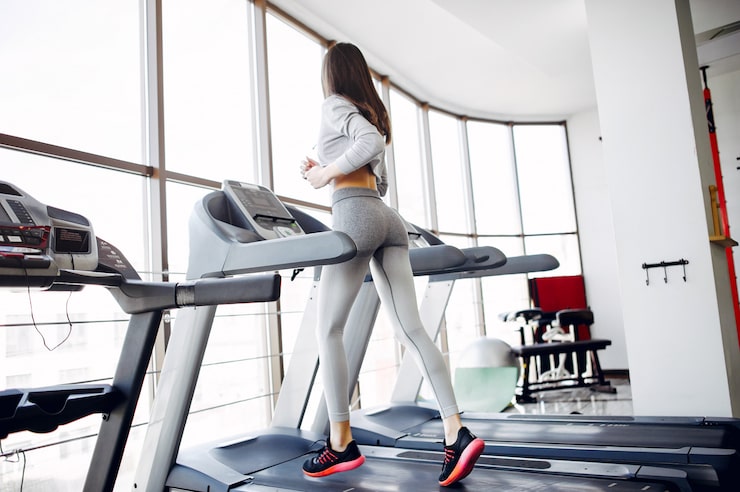
Latest Post
- Smart Cleanup: Buying Guide for Vacuum Cleaners
 Keeping a home clean is easier when you have a vacuum cleaner that matches your lifestyle, floor type, pets, and cleaning routine. The challenge? There are dozens of styles, power levels, and features—making it confusing to know which one is worth your money. This guide breaks down everything you need to make an informed choice,… Read more: Smart Cleanup: Buying Guide for Vacuum Cleaners
 - Smart Cleanup: Buying Guide for Vacuum Cleaners
 Keeping a home clean is easier when you have a vacuum cleaner that matches your lifestyle, floor type, pets, and cleaning routine. The challenge? There are dozens of styles, power levels, and features—making it confusing to know which one is worth your money. This guide breaks down everything you need to make an informed choice,… Read more: Smart Cleanup: Buying Guide for Vacuum Cleaners
 - Smart Cleanup: Buying Guide for Vacuum Cleaners
 Keeping a home clean is easier when you have a vacuum cleaner that matches your lifestyle, floor type, pets, and cleaning routine. The challenge? There are dozens of styles, power levels, and features—making it confusing to know which one is worth your money. This guide breaks down everything you need to make an informed choice,… Read more: Smart Cleanup: Buying Guide for Vacuum Cleaners
 - Fresh Squeeze: The Ultimate Juicer Buying Guide
 Fresh juice is more than a drink—it’s a lifestyle choice. Whether it’s bright morning orange juice, green detox blends, sugar-free fruit mixes for kids, or post-workout vegetable juice, a juicer turns everyday produce into something energizing, healthy, and refreshing. But not all juicers are created equal. Some extract more juice but work slowly. Others are… Read more: Fresh Squeeze: The Ultimate Juicer Buying Guide
 - Smart Cleanup: Buying Guide for Vacuum CleanersDIFFULL Cordless Vacuum Cleaner, 600W 50KPA 70Mins Vacuum Cleaners for Home, Stick Vacuum with 1.8L Cup, Anti-Tangle, 8-Stage Filter System, Green Light for Pet Hair, Carpet, Floor As an Amazon Associate, I earn from qualifying purchases Keeping a home clean is easier when you have a vacuum cleaner that matches your lifestyle, floor type, pets,… Read more: Smart Cleanup: Buying Guide for Vacuum Cleaners
- Foam Magic: The Ultimate Electric Milk Frother Buying Guide
 Making café-style drinks at home has never been easier. Whether it’s a creamy cappuccino, silky latte, hot chocolate, dalgona coffee, or even protein shakes, one simple tool transforms average beverages into café-quality: the electric milk frother. The right milk frother isn’t just for coffee fans—it’s useful for tea lovers, matcha drinkers, hot cocoa fans, and… Read more: Foam Magic: The Ultimate Electric Milk Frother Buying Guide
 - Smart Cuts: The Ultimate Vegetable Cutting Board Guide
 When people think about improving their kitchen, they often picture high-end knives, nonstick pans, or stylish storage. But in everyday cooking—chopping onions, slicing tomatoes, dicing herbs—nothing gets used more than a cutting board, especially for vegetables. The right board keeps knives sharp, protects countertops, improves hygiene, and makes chopping faster and more enjoyable. Yet many… Read more: Smart Cuts: The Ultimate Vegetable Cutting Board Guide
 - How to Choose the Right Security Camera for Your Home
 Projectors have evolved from bulky classroom machines into sleek home-theater and business essentials. Today, whether you want movie nights, gaming on a giant screen, presentations for work, outdoor cinema in the backyard, or educational content for kids, a projector can transform a space in a way no TV can. However, buying one isn’t simple. The… Read more: How to Choose the Right Security Camera for Your Home
 - Stay Safe: Everything You Need to Know About Security Cameras
 Projectors have evolved from bulky classroom machines into sleek home-theater and business essentials. Today, whether you want movie nights, gaming on a giant screen, presentations for work, outdoor cinema in the backyard, or educational content for kids, a projector can transform a space in a way no TV can. However, buying one isn’t simple. The… Read more: Stay Safe: Everything You Need to Know About Security Cameras
 - Secure Your Space – Smart Tips for Choosing a Security Camera
 Projectors have evolved from bulky classroom machines into sleek home-theater and business essentials. Today, whether you want movie nights, gaming on a giant screen, presentations for work, outdoor cinema in the backyard, or educational content for kids, a projector can transform a space in a way no TV can. However, buying one isn’t simple. The… Read more: Secure Your Space – Smart Tips for Choosing a Security Camera
 - Sleep Right: Mattress Buying Guide
 Choosing a mattress sounds simple—until you shop for one. Online stores and furniture showrooms are filled with options: memory foam, hybrid, innerspring, cooling gel, soft, firm, and adjustable. Many claim to improve your sleep, align your spine, or keep you cool, but which mattress actually fits your needs? This helpful buying guide explains how mattresses… Read more: Sleep Right: Mattress Buying Guide
 - Smart Playtime: Buying Guide for Baby Toys
 BEZGAR HQ089 RC Plane, Drones for Kids, 6-axis Gyro Remote Control Airplane, RC Helicopter, Easy Control for Beginners Toys with Colorful LED Navigation Lights As an Amazon Associate, I earn from qualifying purchases Choosing the right baby toy feels simple—until you start shopping. Suddenly, there are hundreds of options claiming to boost learning, improve motor… Read more: Smart Playtime: Buying Guide for Baby Toys
 - Smart Cleanup: Buying Guide for Vacuum CleanersDzaki Cordless Vacuum Cleaner, Stick Vacuum with Smart LED Display, 50KPA 55Mins Vacuum Cleaners for Home, Powerful Suction, Anti-Tangled Lightweight Rechargeable Vac for Pet Hair, Carpet, Hard Floor As an Amazon Associate, I earn from qualifying purchases Keeping a home clean is easier when you have a vacuum cleaner that matches your lifestyle, floor type,… Read more: Smart Cleanup: Buying Guide for Vacuum Cleaners
- Winter Warmth: Buying Guide for the Perfect Winter Jacket
 Rrtizan Heated Vest for Men, 12 Heating Zones 3 Temp Levels, 10000mAh Battery USB-C, Waterproof for Hiking(0086, XL) As an Amazon Associate, I earn from qualifying purchases A winter jacket is not just a seasonal purchase—it’s an investment in warmth, comfort, and durability. Whether you live in a snowy region, commute to school or work… Read more: Winter Warmth: Buying Guide for the Perfect Winter Jacket
 - Safe Space: Buying Guide for Large Baby Playpen
 ZEEBABA Extra Large Baby Playpen – 59x69in Play Yard for Babies & Toddlers, Indoor Play Pen with Breathable Mesh and Gate, Parc pour Bébé (Without Mat) As an Amazon Associate, I earn from qualifying purchases A baby playpen is more than a gated space—it’s a safe zone where little ones can explore, crawl, stand, and… Read more: Safe Space: Buying Guide for Large Baby Playpen