
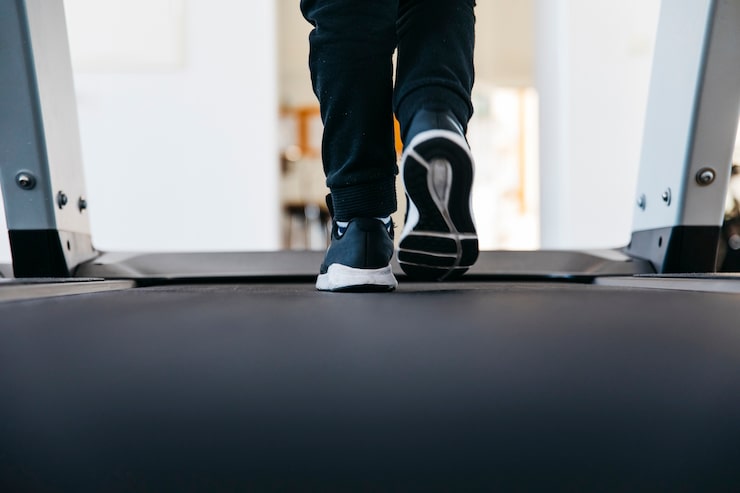
In today’s fast-paced world, staying active can be a challenge—especially for those working long hours at a desk. Walking pads, also known as compact treadmills, have become a practical solution for people looking to balance fitness with productivity. Unlike traditional treadmills, walking pads are slim, lightweight, and designed to fit under desks or in small spaces, making them ideal for home offices, apartments, or even living rooms.
This guide will walk you through the essential features, considerations, and comparisons to help you choose the best walking pad for your lifestyle. Whether you’re looking to burn calories while working, maintain steady movement throughout the day, or simply improve circulation, the right walking pad can make a big difference.
Devices | Features | Price |
|---|---|---|
Walking Pad | 265 Lbs Capacity |
What to Consider Before Buying a Walking Pad
1. Size and Portability
Walking pads are valued for being compact. Consider:
- Foldable vs. Non-foldable: Foldable models save space when not in use.
- Dimensions: Ensure it fits under your desk or in your room.
- Weight: Lightweight models are easier to move, especially with built-in wheels.
2. Speed Range
- Basic models: Typically range from 0.5 to 4 mph, suitable for walking.
- Advanced models: May go up to 6 mph, allowing light jogging.
- Tip: If you want to multitask while working, a slower maximum speed is safer and more practical.
3. Motor Power and Noise Level
- Quiet operation: Essential if you’re using it in a shared space or during meetings.
- Motor strength: Higher horsepower means smoother performance and durability, especially for heavier users.
4. Weight Capacity
Most walking pads support 220–300 lbs. Always check capacity to ensure safety and longevity.
5. Deck Cushioning and Belt Quality
- Shock absorption: Reduces strain on knees and joints.
- Belt width: A wider belt (16–18 inches) provides more comfort, especially for taller individuals.
6. Control Options
- Remote control: Standard in most walking pads.
- App integration: Allows tracking of steps, speed, and calories.
- Manual buttons: Found on some models for quick adjustments.
7. Noise and Vibration
Quiet motors and cushioned belts are important for keeping noise low—especially if you live in an apartment.
8. Budget
- Entry-level models: Affordable, compact, fewer features.
- Mid-range models: Offer better cushioning, foldability, and app connectivity.
- Premium models: Enhanced durability, higher speeds, and advanced safety features.
Product Summary: Comparing Walking Pads
| Type | Features | Best For | Pros | Cons |
|---|---|---|---|---|
| Compact Non-Foldable | Slim, lightweight, fixed design | Small spaces, light use | Stable, simple, easy to use | Less portable, harder to store |
| Foldable Walking Pad | Deck folds in half for storage | Apartments, home offices | Space-saving, portable, convenient | Slightly heavier, moving parts may wear |
| High-Speed Model | Speed up to 6 mph, stronger motor | Fitness enthusiasts, joggers | Versatile, durable | More expensive, less compact |
| App-Connected Model | Smartphone integration, fitness tracking | Tech-savvy users, goal tracking | Motivating, data-driven | Requires app setup, higher cost |
| Budget-Friendly Model | Basic speed, compact, no extras | Beginners, casual walkers | Affordable, easy to set up | Limited durability, fewer features |
Pros & Cons of Walking Pads
Pros
- Compact and space-saving
- Ideal for multitasking while working
- Promotes daily movement and circulation
- Easy to store under furniture
- Lower cost than full treadmills
Cons
- Limited speed compared to traditional treadmills
- Smaller walking surface
- Not designed for intense running
- Lower durability in entry-level models
Who It’s Best For
- Remote Workers: Perfect for walking while typing, attending calls, or brainstorming.
- Apartment Dwellers: Small footprint makes them ideal for tight spaces.
- Busy Professionals: Allows exercise without leaving your desk.
- Fitness Beginners: Great way to add low-impact activity into your day.
- Rehabilitation Users: Provides gentle movement for recovery under medical advice.
Real Insights: Experiences & Expert Opinions
- Work-from-Home User: Walking slowly on a walking pad during meetings increased daily step count by 4,000 without losing focus.
- Fitness Coach Opinion: Walking pads are excellent for light cardio and consistent movement, though they should complement—not replace—intense workouts.
- Physiotherapist Insight: For individuals with joint concerns, cushioned walking pads provide a safer alternative to outdoor walking on hard surfaces.
- Tech-Savvy User: App-connected models helped track progress and stay motivated by setting daily walking goals.
FAQs
1. Can I run on a walking pad?
Walking pads are designed mainly for walking or light jogging. For running, a full treadmill is better.
2. Do walking pads require maintenance?
Yes, occasional belt lubrication and dust cleaning ensure smooth operation.
3. How much space do they take up?
Most are slim and fit under beds, sofas, or desks, with foldable models taking even less storage space.
4. Are walking pads safe to use while working?
Yes, as long as you keep the speed low (1–2 mph) while typing or attending meetings.
5. Do they consume a lot of electricity?
No, walking pads typically use less power than full-sized treadmills, making them energy-efficient.
6. Can walking pads help with weight loss?
Yes, consistent daily use can help burn calories and improve metabolism, though results depend on diet and lifestyle.
Final Recommendation
Walking pads are a modern, convenient way to stay active without rearranging your schedule or living space. They offer an accessible solution for people who want to walk more, reduce sedentary habits, and stay healthy while working or relaxing at home.
- Choose a compact model if you need a simple walking solution.
- Go for foldable designs if storage is a concern.
- Select app-integrated models if tracking progress motivates you.
- Consider high-speed versions if you want the option for light jogging.
For most users, a foldable walking pad with mid-range features strikes the best balance between portability, durability, and comfort. Investing in one means investing in your health—helping you move more, feel better, and work smarter.