
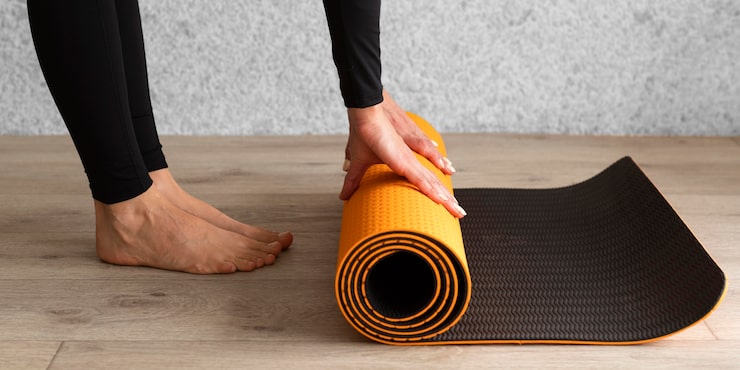
In today’s fast-paced world, finding time for fitness can be a challenge. Long work hours, sedentary lifestyles, and limited space often make it hard to stay active. That’s where the walking mat comes in—a slim, portable treadmill alternative designed for walking rather than running.
Walking mats are lightweight, space-saving, and perfect for people who want to stay active while working, watching TV, or living in small apartments. They’ve grown in popularity among remote workers, city dwellers, and anyone looking to integrate low-impact movement into their day.
This buying guide explores what to consider when choosing a walking mat, compares product categories, highlights pros and cons, and shares real-world use cases to help you make the right decision.
Devices | Features | Price |
|---|---|---|
Walking Mat | 265Lbs Weight |
What to Consider Before Buying a Walking Mat
1. Size and Storage
- Compact design: Walking mats are typically slim and foldable, making them easy to store under a bed or sofa.
- Length and width: Consider stride length and available space. Taller users may need longer mats for a comfortable pace.
2. Weight Capacity
- Most walking mats support between 220–300 lbs, but it varies.
- Always check specifications to ensure durability and safety.
3. Speed Range
- Designed primarily for walking, speeds usually range from 0.5–4 mph.
- If you plan to do brisk walking or light jogging, look for higher maximum speeds.
4. Noise Level
- Quiet operation is crucial for office use or apartments with shared walls.
- Look for models with noise-reduction motors.
5. Control Options
- Remote control: Simple start/stop and speed adjustments.
- Mobile apps: Offer progress tracking and fitness integration.
- Touch panels: Built directly into the mat for easy adjustments.
6. Cushioning and Shock Absorption
- Multi-layer belts reduce strain on knees and joints.
- A cushioned surface is especially important for long-term use.
7. Portability
- Look for built-in wheels for easy movement.
- Lighter mats are easier to move, but heavier ones may be more stable.
8. Safety Features
- Auto-stop functions, child locks, and speed limiters are helpful if multiple people use the mat.
- Non-slip surfaces and sturdy frames enhance safety.
9. Budget Range
- Entry-level mats: Basic features, affordable, good for light use.
- Mid-range models: Better cushioning, stronger motors, app connectivity.
- Premium mats: Higher weight limits, foldable designs, advanced safety features.
Product Summary: Comparing Walking Mat Options
| Feature | Entry-Level | Mid-Range | Premium |
|---|---|---|---|
| Size & Storage | Slim, non-foldable | Compact, sometimes foldable | Fully foldable, ultra-compact |
| Weight Capacity | 200–220 lbs | 250–270 lbs | 280–300 lbs |
| Speed Range | 0.5–3 mph | 0.5–4 mph | 0.5–4.5 mph |
| Noise Level | Moderate | Low | Ultra-quiet |
| Controls | Remote only | Remote + app | Remote, app, and built-in touch panel |
| Best Use Case | Light daily walking | Work-from-home fitness | Heavy daily use, shared households |
Pros & Cons of Walking Mats
Pros
- Compact and Portable: Easy to move and store.
- Space-Saving: Ideal for apartments or home offices.
- Low-Impact Exercise: Gentle on knees and joints.
- Quiet Operation: Suitable for multitasking environments.
- Encourages Daily Movement: Makes it easier to reach step goals indoors.
Cons
- Limited Speed: Not designed for running or intense workouts.
- Smaller Surface Area: May not suit users with longer strides.
- Lower Durability (Entry-Level): Basic models may wear faster under heavy use.
- Weight Limits: Some mats can’t support heavier users.
Who It’s Best For
- Remote Workers: Walk while attending calls or typing at a standing desk.
- Small Apartment Dwellers: Compact design fits tight spaces.
- Older Adults: Provides safe, low-impact exercise indoors.
- Rehabilitation Patients: Gentle walking helps in recovery under doctor supervision.
- Busy Parents: A way to sneak in movement during childcare or chores.
Real Insights: Experiences & Expert Opinions
- Work-from-home perspective: “Using a walking mat at my standing desk has boosted my energy and reduced back pain from sitting all day.”
- Apartment dweller’s experience: Appreciated the slim foldable design that fits under the bed without hassle.
- Expert opinion: Fitness trainers recommend walking mats as a low-impact alternative for individuals who can’t run but still want regular activity.
- Research note: Studies show that walking at a moderate pace for 30 minutes daily improves cardiovascular health, reduces stress, and boosts productivity.
FAQs
1. Can you run on a walking mat?
No, walking mats are primarily designed for walking or light jogging at most.
2. How much space do I need?
Most walking mats are 4–5 feet long and 1.5–2 feet wide. Ensure clearance around the mat for safety.
3. Are walking mats noisy?
Most are quiet enough for office or apartment use, especially mid-range and premium models.
4. Do they require assembly?
Usually minimal. Most arrive pre-assembled—just unfold and plug in.
5. How long can I walk at a time?
That depends on the motor and weight capacity, but generally up to 1–2 hours per session.
6. Are they safe for kids?
Yes, but always supervise use and choose models with safety features like auto-stop and locks.
Final Recommendation
A walking mat is an excellent investment if you want to stay active without dedicating space to a large treadmill. It’s compact, user-friendly, and versatile enough for most home and office environments.
- If you need something budget-friendly for light use, choose an entry-level mat for simple daily steps.
- For remote workers or regular fitness use, a mid-range mat with app connectivity and stronger motors provides balance.
- For shared households or heavier use, a premium walking mat with foldable design, higher weight capacity, and ultra-quiet motor is worth the investment.
By choosing the right model, you’ll enjoy better health, increased productivity, and the convenience of indoor walking anytime.