
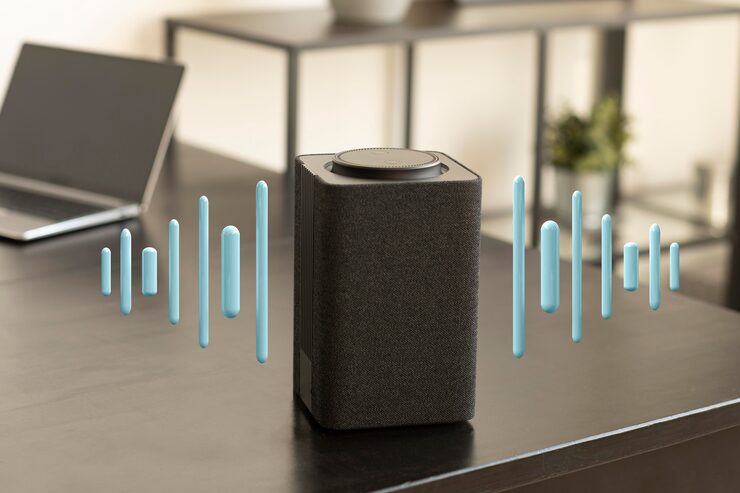
In a world where communication is key, the ability to project your voice clearly and effectively can make all the difference. Whether you’re a teacher managing a large classroom, a tour guide leading a group, a fitness instructor motivating students, or a professional giving presentations, a voice amplifier can be a powerful tool to enhance your reach and clarity.
Unlike traditional microphones, portable voice amplifiers are designed to boost your natural speech without straining your vocal cords. They are lightweight, easy to carry, and adaptable for indoor and outdoor use. This guide will walk you through the important considerations, product types, pros and cons, and expert insights to help you make an informed purchase.
Devices | Features | Price |
|---|---|---|
Voice Amplifier | Portable |
What to Consider Before Buying a Voice Amplifier
When choosing a voice amplifier, several factors should influence your decision. The right device depends on your unique needs, environment, and usage frequency.
1. Power Output (Wattage)
- Low wattage (5–10W): Suitable for small classrooms, conference rooms, or personal training sessions.
- Medium wattage (10–20W): Ideal for tour groups, fitness instructors, or small outdoor settings.
- High wattage (20W+): Best for large outdoor areas, auditoriums, or events with a lot of background noise.
2. Battery Life
- Short sessions (4–6 hours): Works for part-time use or events.
- Full-day usage (10–15 hours): Important for teachers, guides, and professionals who use it daily.
- Recharge options: Look for USB-C or quick charging capabilities.
3. Portability and Weight
- Lightweight designs (under 1 lb) are easier for long-term wear.
- Belt clips, shoulder straps, or head-mounted microphones improve mobility.
4. Sound Quality
- Clear treble ensures speech intelligibility.
- A balanced sound prevents distortion at higher volumes.
- Feedback suppression is a valuable feature for echo-prone environments.
5. Microphone Type
- Headset microphones: Provide hands-free operation, great for teachers and fitness coaches.
- Clip-on lapel mics: Discreet, but may pick up less sound in noisy environments.
- Handheld mics: Suitable for presentations but less convenient for active movement.
6. Connectivity Options
- Wired: Reliable with no signal dropouts.
- Wireless (Bluetooth): Offers flexibility and doubles as a speaker for music.
- Multi-device pairing: Helpful for those who need to switch between devices quickly.
7. Durability
- Look for reinforced casings if you’ll use it outdoors.
- Water- or sweat-resistant models are beneficial for fitness or field use.
Product Summary
Below is a quick comparison of typical voice amplifier types:
| Feature | Compact Amplifier | Mid-Range Amplifier | Professional Amplifier |
|---|---|---|---|
| Wattage | 5–10W | 10–20W | 20W+ |
| Best Use | Small classrooms, personal training | Tours, medium classrooms, gyms | Outdoor events, large auditoriums |
| Battery Life | 4–6 hours | 8–12 hours | 12–20 hours |
| Microphone Type | Headset or lapel | Headset/wireless | Multiple mic options |
| Weight | Lightweight | Moderate | Heavier but durable |
| Price Range | Budget-friendly | Mid-tier | Higher investment |
Pros & Cons of Using Voice Amplifiers
Pros
- Protects your voice: Reduces strain and prevents long-term damage.
- Improves clarity: Ensures your audience hears you clearly, even in noisy spaces.
- Versatile usage: Works indoors, outdoors, for teaching, guiding, or fitness training.
- Portable and rechargeable: Easy to carry, many models charge via USB.
- Multi-functionality: Some models double as Bluetooth speakers.
Cons
- Battery dependency: Requires recharging or carrying backups.
- Feedback issues: Low-quality models may cause distortion.
- Limited bass response: Not ideal for music-heavy use.
- Durability concerns: Budget amplifiers may wear out faster under heavy use.
Who It’s Best For
Voice amplifiers are not one-size-fits-all. Here’s a breakdown of who benefits most:
1. Teachers and Educators
- Keep control of the classroom without raising your voice.
- Helpful for large classes or students sitting at the back.
- Enhances accessibility for hearing-impaired students.
2. Tour Guides
- Ensure everyone hears clearly in busy, noisy environments.
- Mobility-friendly with belt clips and shoulder straps.
- Long battery life supports extended tours.
3. Fitness Instructors
- Great for gyms, outdoor sessions, or yoga classes.
- Sweat-resistant models handle demanding workouts.
- Hands-free headset options let you move freely.
4. Public Speakers and Presenters
- Ideal for workshops, seminars, and conferences.
- Wireless models offer smooth transitions between slides and talking points.
5. Event Organizers and Performers
- Use for small live events, community gatherings, or performances.
- Amplifiers with higher wattage work for outdoor spaces.
Expert Insights and Real Use Cases
- Teacher’s Perspective: Many educators report that voice amplifiers reduce vocal fatigue and help maintain classroom discipline because students can hear instructions clearly.
- Tour Guide’s Experience: Using a compact amplifier during city walking tours ensures that even those in the back of the group stay engaged.
- Fitness Coach’s Input: A lightweight, sweat-resistant headset amplifier allows for hands-free teaching while still projecting motivation across the room.
FAQs
Q1: Can a voice amplifier replace a traditional PA system?
A: For small to medium groups, yes. For large crowds or concerts, a full PA system is still needed.
Q2: Do wireless amplifiers suffer from interference?
A: High-quality models minimize this issue, but environments with many wireless signals can occasionally cause disruptions.
Q3: How do I prevent microphone feedback?
A: Position the microphone properly and avoid standing too close to the speaker unit.
Q4: Can I use a voice amplifier as a music speaker?
A: Some models support Bluetooth playback, but most prioritize speech clarity over music fidelity.
Q5: Are they safe for outdoor use?
A: Yes, but check for durability features like weather resistance if you plan frequent outdoor usage.
Final Recommendation
A voice amplifier is more than just a device—it’s an investment in clear communication, vocal health, and audience engagement. For buyers:
- Teachers should prioritize comfort, lightweight design, and battery life.
- Tour guides will benefit from medium-range amplifiers with mobility features.
- Fitness instructors should look for sweat-resistant, hands-free headset models.
- Public speakers may want a higher-wattage amplifier with wireless connectivity for smooth presentations.
When selecting your amplifier, always balance wattage, battery life, and portability with your actual needs. Choosing the right model will save you from unnecessary fatigue while ensuring your audience receives your message loud and clear.
Latest Post
- Smart Cleanup: Buying Guide for Vacuum Cleaners
 Keeping a home clean is easier when you have a vacuum cleaner that matches your lifestyle, floor type, pets, and cleaning routine. The challenge? There are dozens of styles, power levels, and features—making it confusing to know which one is worth your money. This guide breaks down everything you need to make an informed choice,… Read more: Smart Cleanup: Buying Guide for Vacuum Cleaners
 - Smart Cleanup: Buying Guide for Vacuum Cleaners
 Keeping a home clean is easier when you have a vacuum cleaner that matches your lifestyle, floor type, pets, and cleaning routine. The challenge? There are dozens of styles, power levels, and features—making it confusing to know which one is worth your money. This guide breaks down everything you need to make an informed choice,… Read more: Smart Cleanup: Buying Guide for Vacuum Cleaners
 - Smart Cleanup: Buying Guide for Vacuum Cleaners
 Keeping a home clean is easier when you have a vacuum cleaner that matches your lifestyle, floor type, pets, and cleaning routine. The challenge? There are dozens of styles, power levels, and features—making it confusing to know which one is worth your money. This guide breaks down everything you need to make an informed choice,… Read more: Smart Cleanup: Buying Guide for Vacuum Cleaners
 - Fresh Squeeze: The Ultimate Juicer Buying Guide
 Fresh juice is more than a drink—it’s a lifestyle choice. Whether it’s bright morning orange juice, green detox blends, sugar-free fruit mixes for kids, or post-workout vegetable juice, a juicer turns everyday produce into something energizing, healthy, and refreshing. But not all juicers are created equal. Some extract more juice but work slowly. Others are… Read more: Fresh Squeeze: The Ultimate Juicer Buying Guide
 - Smart Cleanup: Buying Guide for Vacuum CleanersDIFFULL Cordless Vacuum Cleaner, 600W 50KPA 70Mins Vacuum Cleaners for Home, Stick Vacuum with 1.8L Cup, Anti-Tangle, 8-Stage Filter System, Green Light for Pet Hair, Carpet, Floor As an Amazon Associate, I earn from qualifying purchases Keeping a home clean is easier when you have a vacuum cleaner that matches your lifestyle, floor type, pets,… Read more: Smart Cleanup: Buying Guide for Vacuum Cleaners
- Foam Magic: The Ultimate Electric Milk Frother Buying Guide
 Making café-style drinks at home has never been easier. Whether it’s a creamy cappuccino, silky latte, hot chocolate, dalgona coffee, or even protein shakes, one simple tool transforms average beverages into café-quality: the electric milk frother. The right milk frother isn’t just for coffee fans—it’s useful for tea lovers, matcha drinkers, hot cocoa fans, and… Read more: Foam Magic: The Ultimate Electric Milk Frother Buying Guide
 - Smart Cuts: The Ultimate Vegetable Cutting Board Guide
 When people think about improving their kitchen, they often picture high-end knives, nonstick pans, or stylish storage. But in everyday cooking—chopping onions, slicing tomatoes, dicing herbs—nothing gets used more than a cutting board, especially for vegetables. The right board keeps knives sharp, protects countertops, improves hygiene, and makes chopping faster and more enjoyable. Yet many… Read more: Smart Cuts: The Ultimate Vegetable Cutting Board Guide
 - How to Choose the Right Security Camera for Your Home
 Projectors have evolved from bulky classroom machines into sleek home-theater and business essentials. Today, whether you want movie nights, gaming on a giant screen, presentations for work, outdoor cinema in the backyard, or educational content for kids, a projector can transform a space in a way no TV can. However, buying one isn’t simple. The… Read more: How to Choose the Right Security Camera for Your Home
 - Stay Safe: Everything You Need to Know About Security Cameras
 Projectors have evolved from bulky classroom machines into sleek home-theater and business essentials. Today, whether you want movie nights, gaming on a giant screen, presentations for work, outdoor cinema in the backyard, or educational content for kids, a projector can transform a space in a way no TV can. However, buying one isn’t simple. The… Read more: Stay Safe: Everything You Need to Know About Security Cameras
 - Secure Your Space – Smart Tips for Choosing a Security Camera
 Projectors have evolved from bulky classroom machines into sleek home-theater and business essentials. Today, whether you want movie nights, gaming on a giant screen, presentations for work, outdoor cinema in the backyard, or educational content for kids, a projector can transform a space in a way no TV can. However, buying one isn’t simple. The… Read more: Secure Your Space – Smart Tips for Choosing a Security Camera
 - Sleep Right: Mattress Buying Guide
 Choosing a mattress sounds simple—until you shop for one. Online stores and furniture showrooms are filled with options: memory foam, hybrid, innerspring, cooling gel, soft, firm, and adjustable. Many claim to improve your sleep, align your spine, or keep you cool, but which mattress actually fits your needs? This helpful buying guide explains how mattresses… Read more: Sleep Right: Mattress Buying Guide
 - Smart Playtime: Buying Guide for Baby Toys
 BEZGAR HQ089 RC Plane, Drones for Kids, 6-axis Gyro Remote Control Airplane, RC Helicopter, Easy Control for Beginners Toys with Colorful LED Navigation Lights As an Amazon Associate, I earn from qualifying purchases Choosing the right baby toy feels simple—until you start shopping. Suddenly, there are hundreds of options claiming to boost learning, improve motor… Read more: Smart Playtime: Buying Guide for Baby Toys
 - Smart Cleanup: Buying Guide for Vacuum CleanersDzaki Cordless Vacuum Cleaner, Stick Vacuum with Smart LED Display, 50KPA 55Mins Vacuum Cleaners for Home, Powerful Suction, Anti-Tangled Lightweight Rechargeable Vac for Pet Hair, Carpet, Hard Floor As an Amazon Associate, I earn from qualifying purchases Keeping a home clean is easier when you have a vacuum cleaner that matches your lifestyle, floor type,… Read more: Smart Cleanup: Buying Guide for Vacuum Cleaners
- Winter Warmth: Buying Guide for the Perfect Winter Jacket
 Rrtizan Heated Vest for Men, 12 Heating Zones 3 Temp Levels, 10000mAh Battery USB-C, Waterproof for Hiking(0086, XL) As an Amazon Associate, I earn from qualifying purchases A winter jacket is not just a seasonal purchase—it’s an investment in warmth, comfort, and durability. Whether you live in a snowy region, commute to school or work… Read more: Winter Warmth: Buying Guide for the Perfect Winter Jacket
 - Safe Space: Buying Guide for Large Baby Playpen
 ZEEBABA Extra Large Baby Playpen – 59x69in Play Yard for Babies & Toddlers, Indoor Play Pen with Breathable Mesh and Gate, Parc pour Bébé (Without Mat) As an Amazon Associate, I earn from qualifying purchases A baby playpen is more than a gated space—it’s a safe zone where little ones can explore, crawl, stand, and… Read more: Safe Space: Buying Guide for Large Baby Playpen