
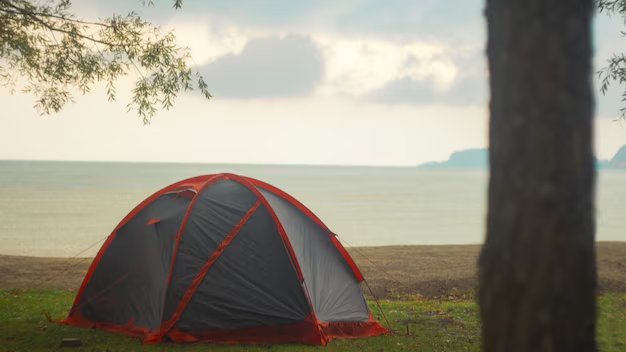
Camping is all about connecting with nature, unplugging from busy routines, and enjoying the outdoors. While traditional tents remain popular, camping hammock tents have gained massive attention among modern campers. These versatile sleeping systems combine the comfort of a hammock with the shelter of a tent, giving you the best of both worlds.
Unlike ground tents, hammock tents suspend you above rocks, roots, or wet soil, creating a floating bed that is surprisingly comfortable and secure. However, with so many designs, materials, and features available, choosing the right hammock tent can feel overwhelming.
This buying guideline will walk you through the essentials—what to look for, pros and cons, comparisons, use cases, and expert tips—to help you pick the perfect hammock tent for your outdoor adventures.
Devices | Features | Price |
|---|---|---|
Camping Hammock Tent | Travel Outdoor Gear |
What to Consider Before Buying a Camping Hammock Tent
Before adding a hammock tent to your gear, think about these key factors:
1. Size and Weight Capacity
- Check weight limits—most range between 200–500 pounds.
- Consider if you’re camping solo or with a partner.
- Some models are single-person only, while others offer two-person hammocks for couples.
👉 Tip: For maximum comfort, choose a hammock tent at least 10–11 feet long for an adult.
2. Material Quality
- Ripstop nylon: Lightweight, durable, and resistant to tears.
- Polyester: Less stretchy, more UV-resistant.
- Mesh panels: Essential for ventilation and insect protection.
3. Weather Protection
- Look for a rainfly or tarp to shield you from rain.
- Water-resistant coatings and sealed seams add reliability.
- For cold weather, check compatibility with underquilts or sleeping pads.
4. Set-Up System
- Suspension straps should be sturdy yet tree-friendly.
- Carabiners and adjustable buckles make setup faster.
- Some tents require extra poles for stability.
5. Portability
- Backpackers should look for ultralight designs under 3 pounds.
- Car campers can go for heavier but more comfortable options.
6. Extra Features
- Integrated bug net for mosquito-heavy environments.
- Storage pockets inside for phones, headlamps, or books.
- Double zippers for easy entry and exit.
Product Summary: Features of Hammock Tents
| Feature | Description | Benefit |
|---|---|---|
| Material | Ripstop nylon or polyester | Durable & lightweight |
| Weight Capacity | 200–500 lbs | Suitable for solo or couples |
| Weather Resistance | Rainfly, water-resistant coating | Protection from elements |
| Bug Protection | Mesh netting | Keeps insects out |
| Portability | Packs down small, 2–4 lbs | Ideal for backpacking |
| Suspension System | Straps, buckles, carabiners | Easy setup |
Pros & Cons of Camping Hammock Tents
✅ Pros
- Elevated Sleeping: No worries about uneven, rocky, or wet ground.
- Compact & Lightweight: Packs smaller than many tents.
- Quick Setup: Can be pitched in minutes with proper straps.
- Versatile Use: Doubles as a lounge hammock during the day.
- Comfort: Natural body support reduces pressure points.
❌ Cons
- Tree Dependence: Requires sturdy trees or posts to hang.
- Learning Curve: Proper setup angle is key for comfort.
- Limited Space: Less roomy than traditional tents for gear storage.
- Cold Weather Use: Requires additional insulation underneath.
Who It’s Best For
- Backpackers: Lightweight and space-saving design fits perfectly for long treks.
- Solo Campers: Ideal for minimalists who don’t need a full tent.
- Couples: Two-person hammock tents are perfect for cozy nights outdoors.
- Outdoor Enthusiasts: Great for hikers, bikers, or kayakers needing portable sleep solutions.
- Festival Goers: Easy setup makes hammock tents a fun and practical choice.
Expert Insights & Real Use Cases
- Backcountry Adventures: Hikers love hammock tents because they avoid soggy ground and rocky campsites.
- Bug-Prone Areas: Integrated mosquito nets are lifesavers in marshy or tropical regions.
- Winter Camping: With an underquilt or insulated pad, hammock tents can be used even in colder conditions.
- Family Camping: Parents often carry one hammock tent for quick afternoon naps or flexible setups alongside ground tents.
👉 Expert Tip: To avoid back strain, hang your hammock tent at a 30-degree angle from the tree straps—this is the sweet spot for comfort.
FAQs
1. Are hammock tents safe?
Yes. With proper setup and strong straps, hammock tents are safe and reliable for outdoor use.
2. Can I use a hammock tent without trees?
Not usually. You’ll need sturdy anchor points like posts or a hammock stand.
3. Are hammock tents comfortable for side sleepers?
Yes. Larger hammock tents with flatter sleeping positions accommodate side sleeping better.
4. Do I need a sleeping pad with a hammock tent?
In warm weather, no. But for cold nights, a sleeping pad or underquilt is highly recommended.
5. Can hammock tents handle heavy rain?
Yes—if they include a rainfly and water-resistant fabric. Always check weather ratings.
Comparison: Hammock Tent vs. Traditional Tent
| Feature | Hammock Tent | Traditional Tent |
|---|---|---|
| Weight | Lighter (2–4 lbs) | Heavier (5–10 lbs) |
| Setup Time | Faster (5–10 mins) | Longer (10–20 mins) |
| Comfort | Elevated sleep, no rocks | Flat but ground-based |
| Weather Use | Requires rainfly & insulation | Often more insulated |
| Space | Limited gear storage | Larger interior |
| Best Use | Backpacking, solo trips | Family or car camping |
Final Recommendation
A camping hammock tent is one of the smartest upgrades you can add to your outdoor gear collection. It offers comfort, portability, and versatility while eliminating common camping headaches like rocky ground or damp soil.
- If you’re a backpacker, go for an ultralight hammock tent under 3 pounds with bug netting and a reliable rainfly.
- If you’re a casual camper, prioritize comfort and ease of setup—even if it means a slightly heavier option.
- For all-weather adventurers, ensure your hammock tent supports underquilts and includes a waterproof rainfly.
Key Takeaway
Whether you’re stargazing, camping deep in the woods, or relaxing at a festival, a hammock tent provides a floating haven that combines the fun of a hammock with the practicality of a tent. With the right features, you’ll sleep better, stay dry, and wake up ready to explore the outdoors.