
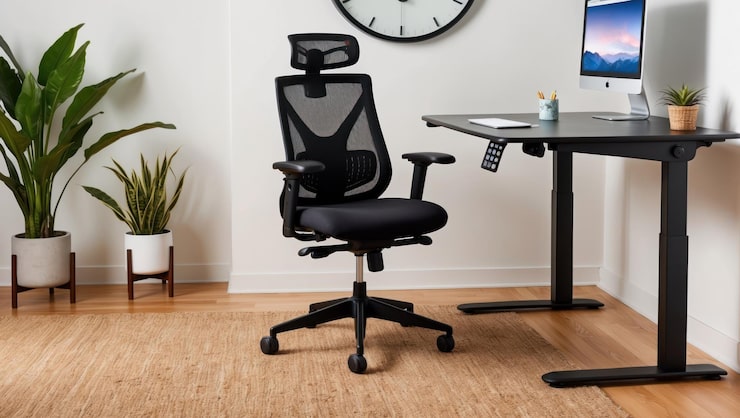
If you spend hours working at a desk, your office chair becomes more than just a seat—it’s a tool that influences productivity, posture, and overall well-being. A poorly designed chair can lead to back pain, fatigue, and long-term health issues. On the other hand, a well-chosen chair supports your body, enhances focus, and makes work more comfortable.
The market is full of office chair options ranging from budget-friendly basics to ergonomic powerhouses. So, how do you choose the right one? This guide will walk you through the essential features, compare types of office chairs, highlight pros and cons, and provide real-life use cases to help you make an informed decision.
Devices | Features | Price |
|---|---|---|
Office Chair | Black |
What to Consider Before Buying an Office Chair
1. Ergonomics
The most important feature of an office chair is its ability to support natural posture. Look for:
- Lumbar support: Adjustable support for the lower back prevents slouching.
- Seat height adjustment: Should allow feet to rest flat on the floor.
- Armrests: Adjustable armrests reduce strain on shoulders and wrists.
- Recline and tilt functions: Encourage movement and reduce pressure on the spine.
2. Chair Type
Not all office chairs are created equal. Options include:
- Task chairs: Compact, versatile, good for short-term use.
- Executive chairs: Larger, padded, with high backs for comfort.
- Ergonomic chairs: Adjustable in multiple areas, designed for long hours.
- Kneeling chairs: Promote upright posture and core engagement.
- Mesh chairs: Breathable, lightweight, and great for warm environments.
3. Material and Build Quality
- Mesh: Breathable, prevents overheating.
- Leather (genuine or faux): Stylish and easy to clean, but may trap heat.
- Fabric: Comfortable and budget-friendly, but harder to clean.
- Foam padding: Should be firm enough to provide support without flattening over time.
4. Size and Weight Capacity
- Chairs vary in seat depth, width, and height adjustability.
- Check weight capacity to ensure long-term durability and comfort.
- Taller users may need chairs with higher backrests and deeper seats.
5. Mobility and Base
- Casters: Wheels should glide smoothly on your office floor (hardwood, carpet, or tile).
- Swivel base: Allows easy rotation without straining your body.
- Five-point base: Offers more stability compared to four-point bases.
6. Adjustability
The more adjustable, the better the fit. Key adjustable features include:
- Seat height and depth
- Backrest angle
- Tilt tension
- Armrest height and angle
- Lumbar support depth
7. Budget and Value
- Budget chairs: Affordable, minimal adjustments.
- Mid-range chairs: Good ergonomics with moderate adjustability.
- High-end chairs: Premium ergonomics, multiple adjustments, durable for daily long-term use.
Product Summary: Comparing Office Chairs
| Chair Type | Features | Best Use Case | Pros | Cons |
|---|---|---|---|---|
| Task Chair | Compact, adjustable seat height | Short work sessions, small offices | Affordable, space-saving | Less ergonomic for long hours |
| Executive Chair | High back, padded, stylish | Managerial roles, home office setups | Luxurious comfort, professional look | Bulky, may get warm |
| Ergonomic Chair | Adjustable lumbar, armrests, recline | Long hours, daily work | Superior posture support, customizable | Higher cost |
| Mesh Chair | Breathable, lightweight | Warm climates, extended sitting | Keeps cool, modern design | Less cushioning |
| Kneeling Chair | Angled seat, no backrest | Posture training, short work periods | Encourages upright posture | Not suitable for all-day use |
Pros & Cons of Office Chair Categories
Task Chairs
✅ Pros: Budget-friendly, compact, easy to move
❌ Cons: Limited ergonomics, not great for long sessions
Executive Chairs
✅ Pros: Luxurious, supportive, stylish
❌ Cons: Bulky, may not fit small spaces
Ergonomic Chairs
✅ Pros: Highly adjustable, promotes health and productivity
❌ Cons: Expensive, may require learning to adjust properly
Mesh Chairs
✅ Pros: Breathable, lightweight, ideal for long hours in warm environments
❌ Cons: Less cushioned, some find them less cozy
Kneeling Chairs
✅ Pros: Promotes spinal alignment, strengthens core
❌ Cons: Uncomfortable for extended use, limited adjustability
Who It’s Best For
- Students and Part-Time Workers: Task chairs are budget-friendly and practical.
- Managers or Executives: Executive chairs provide comfort and a professional aesthetic.
- Remote Workers & Daily Users: Ergonomic chairs are worth the investment for health and productivity.
- Hot Climate Users: Mesh chairs prevent overheating during long hours.
- Posture Correctors: Kneeling chairs are useful for short intervals to train posture.
Real Insights: Experiences & Expert Opinions
- Work-from-Home Professional: Switching from a dining chair to an ergonomic office chair eliminated chronic back pain and improved focus during long hours.
- Interior Designer Opinion: Executive chairs can add sophistication to a home office but may clash in minimalist or compact spaces.
- Physiotherapist Insight: Ergonomic chairs reduce strain on the lumbar spine and are highly recommended for anyone working more than 6 hours at a desk.
- Gamer’s Perspective: Mesh ergonomic chairs with headrests provide long-lasting comfort during marathon sessions.
FAQs
1. How important is lumbar support?
Very important. It maintains natural spinal curvature and prevents long-term back issues.
2. What is the best chair for long hours?
Ergonomic chairs with adjustable features are best for 6–10 hour workdays.
3. Are mesh chairs better than leather?
Mesh chairs are cooler and lighter, while leather chairs offer more luxury and cushioning. The choice depends on personal preference.
4. How long should a good office chair last?
A quality chair should last 5–10 years, depending on usage and build quality.
5. Do kneeling chairs replace traditional chairs?
No, they are best used in short sessions alongside a standard chair for posture training.
6. Should I spend more on a chair if I work from home?
Yes. Since you’ll spend many hours sitting, investing in a supportive chair protects your health and boosts productivity.
Final Recommendation
Choosing the right office chair comes down to your work style, space, and health needs:
- If you’re a student or casual worker, a task chair is affordable and practical.
- For a balance of comfort and professionalism, an executive chair adds luxury and support.
- For those who spend long hours working at a desk, an ergonomic chair is the best investment for posture and productivity.
- If breathability is key, especially in warm climates, a mesh chair ensures comfort.
- For posture training, a kneeling chair can be a valuable secondary option.
An office chair is more than furniture—it’s an investment in your health and performance. Choose wisely, and your body will thank you every day you sit down to work.