

As an Amazon Associate, I earn from qualifying purchases
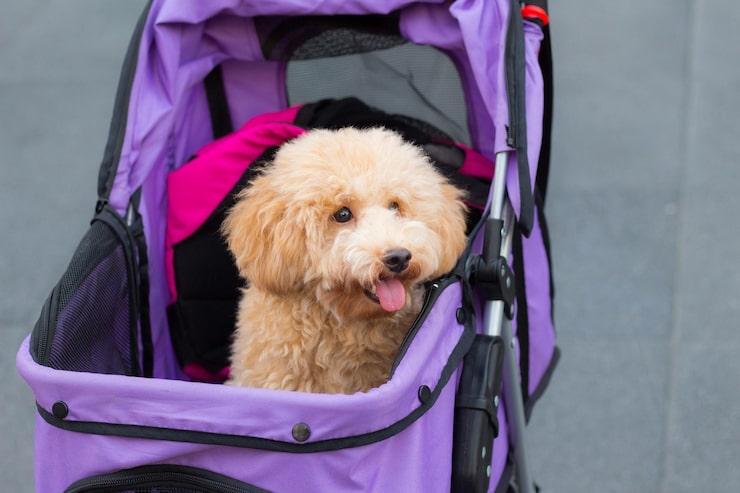
For many pet owners, dogs are not just animals — they’re family. Whether it’s a weekend getaway, a road trip, or a short drive to the vet, keeping your furry friend safe and comfortable in the car is a top priority. A dog car seat for small or medium dogs offers the perfect solution — ensuring safety, stability, and comfort while you focus on driving.
If you’ve ever had your dog slide across the seat during a sharp turn or anxiously pace while you drive, you already understand the need for a secure seat. A well-designed dog car seat doesn’t just protect your pet — it also prevents distractions, making travel safer for both of you.
This comprehensive guide will walk you through everything you need to know before buying the perfect car seat for your dog. From understanding different types to evaluating safety features and comfort levels, we’ll cover it all with practical insights and expert advice.
What to Consider Before Buying a Dog Car Seat
Selecting the right dog car seat is more than picking something cute — it’s about safety, comfort, and compatibility with your vehicle and your dog’s personality. Let’s break down the essential factors to consider.
1. Size and Weight Capacity
The first step in choosing a dog car seat is finding one that matches your dog’s size and weight. A small dog seat won’t safely support a medium-sized pet, and an oversized seat can make smaller dogs feel insecure.
| Dog Size | Recommended Seat Type | Description |
|---|---|---|
| Small Dogs (Under 15 lbs) | Booster Seat | Elevates your pet so they can see out the window; provides security and comfort. |
| Medium Dogs (15–30 lbs) | Reinforced Car Seat | Offers more space and support with thicker padding and stronger straps. |
| Multiple Small Dogs | Dual Compartment Seat | Keeps two small pets secure in one larger carrier with divider support. |
Always check the manufacturer’s weight recommendation before buying. Your pet should be able to sit, stand, and turn comfortably inside the seat.
2. Safety Features
Safety is the number one priority. A proper dog car seat should protect your pet during sudden stops or accidents. Here are key safety features to look for:
- Adjustable Safety Harness or Leash: Keeps your dog securely fastened without restricting movement.
- Seat Belt Compatibility: The seat should attach firmly to the car’s seatbelt system.
- Non-Slip Base: Prevents the seat from sliding during turns or quick stops.
- Reinforced Structure: Hard sides or internal frames add durability and crash resistance.
- Front and Side Padding: Soft walls absorb shock and reduce injury risk.
Some premium models even include tested safety certifications, offering additional peace of mind.
3. Comfort and Design
A comfortable dog is a calm dog. Look for design features that ensure your pet’s relaxation throughout the journey:
- Plush Padding: Cushioned interiors prevent discomfort on long rides.
- Breathable Fabrics: Mesh panels or cotton covers enhance airflow.
- Elevated Design: Dogs love seeing outside; booster-style seats elevate them for window views.
- Detachable Cushions: Allow easy cleaning and better hygiene.
Comfort isn’t just luxury — it reduces anxiety and motion sickness, making your pet enjoy travel rather than dread it.
4. Installation and Vehicle Compatibility
Ease of installation is a key factor. No one wants to wrestle with complicated straps every time they hit the road.
Check for:
- Quick-Release Buckles: Allow for fast setup and removal.
- Universal Fit: Works with standard car seats and seat belts.
- Convertible Design: Some seats double as carriers or beds for versatility.
- Front or Back Seat Compatibility: Smaller dogs often feel safer in the back, while some booster seats are designed for the passenger side.
If you drive multiple vehicles, choose a model that’s easy to move and reinstall.
5. Material Quality and Durability
A dog car seat should withstand scratches, drool, and everyday wear. Choose high-quality, pet-safe materials such as:
- Oxford Fabric: Water-resistant and durable.
- Polyester Blends: Lightweight and easy to clean.
- Faux Fur or Fleece Linings: Soft, cozy texture for warmth.
- Metal or Reinforced Frames: Maintain shape and improve stability.
Machine-washable covers are a must-have for pet owners who value cleanliness.
6. Portability and Storage
If you travel frequently or plan to switch between vehicles, consider portability:
- Foldable or Collapsible Design: Makes storage easy when not in use.
- Lightweight Construction: Easier to carry during travel.
- Multi-Functional Use: Some dog car seats convert into carriers, travel beds, or booster cushions for home use.
Portability adds versatility, especially for families who love taking their pets on outdoor adventures.
Product Summary: Key Features to Look For
Here’s a summarized comparison of what the ideal dog car seat for small/medium dogs should include:
| Feature | Why It’s Important |
|---|---|
| Adjustable harness | Keeps your dog securely in place |
| Reinforced walls | Adds crash protection |
| Breathable, padded interior | Provides comfort during travel |
| Water-resistant fabric | Easy to clean and maintain |
| Non-slip bottom | Prevents sliding on seats |
| Removable, washable cover | Simplifies cleaning |
| Elevated design | Allows visibility out the window |
| Quick installation system | Saves time and effort |
Pros and Cons of Different Dog Car Seat Styles
| Type | Pros | Cons |
|---|---|---|
| Booster Seat | Great visibility; reduces anxiety | May not support heavier dogs |
| Box-Style Car Seat | Excellent protection; enclosed comfort | Bulky for smaller cars |
| Bucket-Style Seat | Easy to install; stable | Limited space for medium dogs |
| Foldable Seat/Carrier Combo | Multi-functional and portable | Less structured support |
| Back Seat Hammock Seat | Protects car interior; comfortable | Takes more space |
Each design offers a balance between safety, space, and convenience. The best one depends on your dog’s personality and your travel habits.
Who It’s Best For
- Small Dog Owners (Under 15 lbs): A booster-style seat provides the best combination of height and comfort.
- Medium Dog Owners (15–30 lbs): A reinforced seat with strong straps ensures stability.
- Frequent Travelers: Opt for foldable, lightweight seats that are easy to move and clean.
- Anxious Dogs: Look for enclosed designs with padded interiors to create a cozy, secure space.
- Families with Kids and Pets: Multi-compartment or seat divider designs prevent chaos during rides.
Real-World Insights and Expert Opinions
Pet experts and seasoned dog owners agree that the right car seat can make all the difference. According to professional dog trainers, a secure car seat helps reduce separation anxiety and prevents motion sickness, both common issues during travel.
Key takeaways from real experiences:
- Safety Harnesses Are Non-Negotiable: One expert emphasized that even a small fender-bender could send an unsecured dog flying forward. Always use a built-in leash or harness attachment.
- Comfort Equals Calm: Owners report that plush interiors and raised designs help dogs settle faster during long trips.
- Ease of Cleaning Matters: Muddy paws, fur, and drool accumulate fast. A removable, washable cover keeps maintenance stress-free.
- Try Gradual Training: Let your dog explore the seat indoors first before your first drive. This helps them associate it with safety, not confinement.
Detailed Comparisons: Comfort vs. Safety vs. Portability
| Feature | High Safety Seat | Comfort-Focused Seat | Portable Seat |
|---|---|---|---|
| Frame Type | Metal/Reinforced | Soft-sided | Foldable |
| Weight Capacity | Up to 30 lbs | Up to 20 lbs | Up to 15 lbs |
| Comfort Level | Moderate | Very High | High |
| Best Use | Long drives, highway trips | Daily short drives | Travel, multi-vehicle use |
| Cleaning | Moderate | Easy (removable lining) | Easy |
| Cost Range | Mid to High | Moderate | Budget-friendly |
If safety is your top concern, reinforced models are worth the extra cost. For daily city drives, comfort-based or portable options are more convenient.
Practical Tips Before Buying
- Measure Twice: Always measure your car seat space and your dog’s sitting height and length.
- Check Installation Compatibility: Some car seats only fit standard back seats; others work in front seats too.
- Look for Adjustable Straps: They allow you to customize the seat’s height and tightness.
- Test the Stability: A good seat should stay steady even on sharp turns.
- Prioritize Washability: Dog car seats should handle accidents, dirt, and shedding with ease.
Common Mistakes to Avoid
- Ignoring Weight Limits: Overloading the seat can compromise safety.
- Using Non-Car Seats as Carriers: Regular pet carriers are not designed for car safety.
- Skipping the Harness: Never let your dog sit unrestrained, even in a car seat.
- Choosing Style Over Function: Cute fabrics mean nothing if the seat doesn’t stay secure.
Safety first, style second — your pet’s well-being depends on it.
FAQs About Dog Car Seats
1. Are dog car seats really necessary?
Yes. They prevent injuries and distractions, ensuring both driver and dog safety.
2. Can I use the dog seat in the front seat?
You can, but the back seat is generally safer. If placed in the front, disable the airbag.
3. How do I clean the seat?
Most seats come with removable, machine-washable covers. For non-removable parts, use mild soap and a damp cloth.
4. Can large dogs use car seats too?
Dog car seats are primarily for small to medium dogs. Large breeds benefit more from car harnesses or seat belt tethers.
5. What’s the best seat for a nervous dog?
An enclosed or padded booster seat that offers a secure, nest-like feeling works best.
6. How long do dog car seats last?
With regular cleaning and care, a quality seat can last several years.
Final Recommendation
A dog car seat for small or medium dogs is more than a travel accessory — it’s an investment in your pet’s safety and comfort. Whether you’re heading to the park or embarking on a cross-country trip, the right seat ensures a smooth, stress-free journey for both of you.
To recap:
- Choose a seat that fits your dog’s size and weight.
- Prioritize safety harnesses, strong buckles, and stable frames.
- Don’t compromise on comfort, as calm dogs travel better.
- Select materials that are durable, washable, and breathable.
- Ensure easy installation and vehicle compatibility.
If your dog travels frequently, opt for a reinforced booster seat with adjustable straps for maximum stability. For daily errands, a lightweight, portable model works great.
Ultimately, the best dog car seat isn’t just about price — it’s about peace of mind. Knowing your loyal companion is safe, secure, and happy allows you to focus on the road ahead and enjoy every adventure together.
Latest Post
- Smart Cleanup: Buying Guide for Vacuum Cleaners
 Keeping a home clean is easier when you have a vacuum cleaner that matches your lifestyle, floor type, pets, and cleaning routine. The challenge? There are dozens of styles, power levels, and features—making it confusing to know which one is worth your money. This guide breaks down everything you need to make an informed choice,… Read more: Smart Cleanup: Buying Guide for Vacuum Cleaners
 - Smart Cleanup: Buying Guide for Vacuum Cleaners
 Keeping a home clean is easier when you have a vacuum cleaner that matches your lifestyle, floor type, pets, and cleaning routine. The challenge? There are dozens of styles, power levels, and features—making it confusing to know which one is worth your money. This guide breaks down everything you need to make an informed choice,… Read more: Smart Cleanup: Buying Guide for Vacuum Cleaners
 - Smart Cleanup: Buying Guide for Vacuum Cleaners
 Keeping a home clean is easier when you have a vacuum cleaner that matches your lifestyle, floor type, pets, and cleaning routine. The challenge? There are dozens of styles, power levels, and features—making it confusing to know which one is worth your money. This guide breaks down everything you need to make an informed choice,… Read more: Smart Cleanup: Buying Guide for Vacuum Cleaners
 - Fresh Squeeze: The Ultimate Juicer Buying Guide
 Fresh juice is more than a drink—it’s a lifestyle choice. Whether it’s bright morning orange juice, green detox blends, sugar-free fruit mixes for kids, or post-workout vegetable juice, a juicer turns everyday produce into something energizing, healthy, and refreshing. But not all juicers are created equal. Some extract more juice but work slowly. Others are… Read more: Fresh Squeeze: The Ultimate Juicer Buying Guide
 - Smart Cleanup: Buying Guide for Vacuum CleanersDIFFULL Cordless Vacuum Cleaner, 600W 50KPA 70Mins Vacuum Cleaners for Home, Stick Vacuum with 1.8L Cup, Anti-Tangle, 8-Stage Filter System, Green Light for Pet Hair, Carpet, Floor As an Amazon Associate, I earn from qualifying purchases Keeping a home clean is easier when you have a vacuum cleaner that matches your lifestyle, floor type, pets,… Read more: Smart Cleanup: Buying Guide for Vacuum Cleaners
- Foam Magic: The Ultimate Electric Milk Frother Buying Guide
 Making café-style drinks at home has never been easier. Whether it’s a creamy cappuccino, silky latte, hot chocolate, dalgona coffee, or even protein shakes, one simple tool transforms average beverages into café-quality: the electric milk frother. The right milk frother isn’t just for coffee fans—it’s useful for tea lovers, matcha drinkers, hot cocoa fans, and… Read more: Foam Magic: The Ultimate Electric Milk Frother Buying Guide
 - Smart Cuts: The Ultimate Vegetable Cutting Board Guide
 When people think about improving their kitchen, they often picture high-end knives, nonstick pans, or stylish storage. But in everyday cooking—chopping onions, slicing tomatoes, dicing herbs—nothing gets used more than a cutting board, especially for vegetables. The right board keeps knives sharp, protects countertops, improves hygiene, and makes chopping faster and more enjoyable. Yet many… Read more: Smart Cuts: The Ultimate Vegetable Cutting Board Guide
 - How to Choose the Right Security Camera for Your Home
 Projectors have evolved from bulky classroom machines into sleek home-theater and business essentials. Today, whether you want movie nights, gaming on a giant screen, presentations for work, outdoor cinema in the backyard, or educational content for kids, a projector can transform a space in a way no TV can. However, buying one isn’t simple. The… Read more: How to Choose the Right Security Camera for Your Home
 - Stay Safe: Everything You Need to Know About Security Cameras
 Projectors have evolved from bulky classroom machines into sleek home-theater and business essentials. Today, whether you want movie nights, gaming on a giant screen, presentations for work, outdoor cinema in the backyard, or educational content for kids, a projector can transform a space in a way no TV can. However, buying one isn’t simple. The… Read more: Stay Safe: Everything You Need to Know About Security Cameras
 - Secure Your Space – Smart Tips for Choosing a Security Camera
 Projectors have evolved from bulky classroom machines into sleek home-theater and business essentials. Today, whether you want movie nights, gaming on a giant screen, presentations for work, outdoor cinema in the backyard, or educational content for kids, a projector can transform a space in a way no TV can. However, buying one isn’t simple. The… Read more: Secure Your Space – Smart Tips for Choosing a Security Camera
 - Sleep Right: Mattress Buying Guide
 Choosing a mattress sounds simple—until you shop for one. Online stores and furniture showrooms are filled with options: memory foam, hybrid, innerspring, cooling gel, soft, firm, and adjustable. Many claim to improve your sleep, align your spine, or keep you cool, but which mattress actually fits your needs? This helpful buying guide explains how mattresses… Read more: Sleep Right: Mattress Buying Guide
 - Smart Playtime: Buying Guide for Baby Toys
 BEZGAR HQ089 RC Plane, Drones for Kids, 6-axis Gyro Remote Control Airplane, RC Helicopter, Easy Control for Beginners Toys with Colorful LED Navigation Lights As an Amazon Associate, I earn from qualifying purchases Choosing the right baby toy feels simple—until you start shopping. Suddenly, there are hundreds of options claiming to boost learning, improve motor… Read more: Smart Playtime: Buying Guide for Baby Toys
 - Smart Cleanup: Buying Guide for Vacuum CleanersDzaki Cordless Vacuum Cleaner, Stick Vacuum with Smart LED Display, 50KPA 55Mins Vacuum Cleaners for Home, Powerful Suction, Anti-Tangled Lightweight Rechargeable Vac for Pet Hair, Carpet, Hard Floor As an Amazon Associate, I earn from qualifying purchases Keeping a home clean is easier when you have a vacuum cleaner that matches your lifestyle, floor type,… Read more: Smart Cleanup: Buying Guide for Vacuum Cleaners
- Winter Warmth: Buying Guide for the Perfect Winter Jacket
 Rrtizan Heated Vest for Men, 12 Heating Zones 3 Temp Levels, 10000mAh Battery USB-C, Waterproof for Hiking(0086, XL) As an Amazon Associate, I earn from qualifying purchases A winter jacket is not just a seasonal purchase—it’s an investment in warmth, comfort, and durability. Whether you live in a snowy region, commute to school or work… Read more: Winter Warmth: Buying Guide for the Perfect Winter Jacket
 - Safe Space: Buying Guide for Large Baby Playpen
 ZEEBABA Extra Large Baby Playpen – 59x69in Play Yard for Babies & Toddlers, Indoor Play Pen with Breathable Mesh and Gate, Parc pour Bébé (Without Mat) As an Amazon Associate, I earn from qualifying purchases A baby playpen is more than a gated space—it’s a safe zone where little ones can explore, crawl, stand, and… Read more: Safe Space: Buying Guide for Large Baby Playpen