


As an Amazon Associate, I earn from qualifying purchases
Beauty products have become an essential part of everyday life, not just for enhancing appearance but also for boosting confidence, maintaining healthy skin, and expressing individuality. From skincare to makeup, haircare to grooming essentials, the beauty industry offers endless options. But with so many choices, it’s easy to feel overwhelmed.
Should you choose natural or synthetic formulas? Is it better to invest in premium products or stick to budget-friendly basics? And how do you know which product truly works for your unique skin, hair, or lifestyle needs?
This buying guideline is designed to answer those questions. It will break down the factors to consider, provide clear comparisons, highlight pros and cons, and share real-world insights to help you make smart decisions. Whether you’re new to beauty products or looking to refine your collection, this guide will help you navigate with confidence.
What to Consider Before Buying Beauty Products
1. Skin Type and Concerns
- Dry Skin: Look for hydrating, cream-based formulas with ingredients like hyaluronic acid or shea butter.
- Oily Skin: Lightweight, oil-free, or mattifying products work best.
- Sensitive Skin: Fragrance-free and hypoallergenic options are ideal.
- Combination Skin: Balancing products that hydrate without clogging pores.
2. Ingredient Transparency
- Natural ingredients like aloe vera, chamomile, and jojoba oil can be soothing and effective.
- Synthetic ingredients may offer faster results but can irritate sensitive skin.
- Avoid harsh chemicals (like parabens, sulfates, or excessive alcohol) if you have sensitive or allergy-prone skin.
3. Purpose and Usage
- Daily Essentials: Moisturizers, cleansers, sunscreen.
- Occasional Use: Exfoliants, masks, or special treatments.
- Makeup: Foundations, lipsticks, eyeliners, etc.
- Haircare: Shampoos, conditioners, styling products.
4. Budget and Value
- Higher price doesn’t always equal higher quality.
- Identify where to splurge (like skincare treatments) and where to save (like basic cleansers).
5. Compatibility and Testing
- Always do a patch test to avoid reactions.
- Consider trial sizes before committing to full-size products.
6. Sustainability and Ethics
- Eco-friendly packaging and cruelty-free certifications matter to many buyers.
- Refillable products are becoming increasingly popular.
Product Summary by Category
Here’s a quick overview of the main beauty product categories and their characteristics:
| Category | Focus | Common Products | Key Considerations |
|---|---|---|---|
| Skincare | Healthy skin foundation | Cleanser, moisturizer, sunscreen | Skin type, active ingredients |
| Makeup | Enhance or define features | Foundation, lipstick, eyeshadow | Shade range, finish, longevity |
| Haircare | Nourish & style | Shampoo, conditioner, styling gel | Hair type, scalp condition |
| Body Care | Overall body wellness | Lotions, scrubs, oils | Hydration, exfoliation, fragrance |
| Tools & Devices | Application & enhancement | Brushes, curlers, rollers | Quality, ease of cleaning |
Pros & Cons of Buying Beauty Products
Pros
- Boosts confidence: Enhances natural beauty.
- Self-care ritual: Encourages relaxation and pampering.
- Personal expression: Makeup and styling allow creativity.
- Skin health: Quality skincare supports long-term wellness.
- Wide variety: Options available for every budget and lifestyle.
Cons
- Overwhelming choices: Hard to know which products are right.
- Potential irritation: Ingredients may cause reactions if mismatched.
- Cost accumulation: Regular purchases add up quickly.
- Learning curve: Some products require skill to use effectively.
Who It’s Best For
- Beginners: Should start with basic skincare and minimal makeup.
- Professionals: Require high-performance, long-lasting products.
- Minimalists: Prefer multi-use products like tinted moisturizers.
- Enthusiasts: Enjoy experimenting with trends and advanced formulas.
- Eco-conscious buyers: Seek sustainable and cruelty-free options.
Detailed Category Breakdown
1. Skincare Products
Skincare is the foundation of beauty. A healthy skin base improves makeup application and overall appearance.
Types:
- Cleansers
- Moisturizers
- Sunscreens
- Exfoliants
- Serums
Pros: Supports long-term skin health.
Cons: Requires consistency to see results.
2. Makeup Products
Makeup lets you express creativity, confidence, and style.
Types:
- Foundation and concealer
- Lipsticks and glosses
- Eyeshadows and liners
- Blushes and highlighters
Pros: Wide range of shades and finishes.
Cons: Expensive collections can pile up quickly.
3. Haircare Products
Healthy hair reflects overall grooming.
Types:
- Shampoos and conditioners
- Leave-in treatments
- Styling gels, sprays, and creams
Pros: Improves scalp and hair condition.
Cons: Some require trial and error to match hair type.
4. Body Care Products
Body care ensures your skin is nourished beyond the face.
Types:
- Lotions and body butters
- Scrubs and exfoliators
- Oils and fragrances
Pros: Hydrated skin looks and feels better.
Cons: Fragranced products may irritate sensitive skin.
5. Tools and Devices
Beauty tools enhance application and results.
Types:
- Makeup brushes and sponges
- Heated eyelash curlers
- Hair dryers and straighteners
- Facial rollers
Pros: Improves efficiency and precision.
Cons: Require cleaning, maintenance, and storage.
Use Cases
- Daily Work Routine: A light foundation, moisturizer with SPF, and neutral lip color for polished look.
- Special Events: Full makeup set with bold lipstick, eyeshadow palettes, and setting spray.
- Skincare Enthusiast: Rotating masks, serums, and exfoliants to target specific concerns.
- Haircare Focus: Nourishing shampoo, deep conditioner, and styling tools for frizz control.
Expert & User Insights
- Dermatologists recommend: Sunscreen and moisturizer as non-negotiable basics.
- Makeup artists highlight: The importance of shade matching for natural results.
- Users report: That multi-use products (like BB creams) save time and money.
- Trend insight: Eco-friendly packaging and vegan formulas are growing rapidly.
FAQs About Beauty Products
Q1: Should I invest more in skincare or makeup?
Experts suggest prioritizing skincare first, since healthy skin enhances any makeup look.
Q2: How do I avoid allergic reactions?
Perform a patch test before applying new products to larger areas.
Q3: Can one product work for all skin types?
Not usually. Tailor products to your skin type for best results.
Q4: Do beauty products expire?
Yes. Check packaging for expiration dates and replace expired items to avoid irritation.
Q5: Are natural products always better?
Not always—natural doesn’t automatically mean safe or effective. Always check ingredient suitability.
Final Recommendation
Buying beauty products is about balance—between skincare and makeup, luxury and affordability, style and practicality. The key is knowing your needs:
- For beginners: Start with essential skincare and one or two makeup basics.
- For professionals: Invest in durable, high-performance formulas.
- For eco-conscious buyers: Choose sustainable, cruelty-free options.
- For minimalists: Focus on multi-use products that save time and space.
Always consider your skin type, lifestyle, and long-term goals. Remember: glowing skin and beauty confidence don’t come from owning everything, but from choosing wisely.
A thoughtful, intentional approach ensures your beauty routine enhances not just your appearance but your overall well-being.

Latest Post
- Smart Cleanup: Buying Guide for Vacuum Cleaners
 Keeping a home clean is easier when you have a vacuum cleaner that matches your lifestyle, floor type, pets, and cleaning routine. The challenge? There are dozens of styles, power levels, and features—making it confusing to know which one is worth your money. This guide breaks down everything you need to make an informed choice,… Read more: Smart Cleanup: Buying Guide for Vacuum Cleaners
 - Smart Cleanup: Buying Guide for Vacuum Cleaners
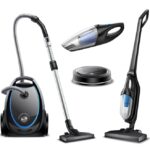 Keeping a home clean is easier when you have a vacuum cleaner that matches your lifestyle, floor type, pets, and cleaning routine. The challenge? There are dozens of styles, power levels, and features—making it confusing to know which one is worth your money. This guide breaks down everything you need to make an informed choice,… Read more: Smart Cleanup: Buying Guide for Vacuum Cleaners
 - Smart Cleanup: Buying Guide for Vacuum Cleaners
 Keeping a home clean is easier when you have a vacuum cleaner that matches your lifestyle, floor type, pets, and cleaning routine. The challenge? There are dozens of styles, power levels, and features—making it confusing to know which one is worth your money. This guide breaks down everything you need to make an informed choice,… Read more: Smart Cleanup: Buying Guide for Vacuum Cleaners
 - Fresh Squeeze: The Ultimate Juicer Buying Guide
 Fresh juice is more than a drink—it’s a lifestyle choice. Whether it’s bright morning orange juice, green detox blends, sugar-free fruit mixes for kids, or post-workout vegetable juice, a juicer turns everyday produce into something energizing, healthy, and refreshing. But not all juicers are created equal. Some extract more juice but work slowly. Others are… Read more: Fresh Squeeze: The Ultimate Juicer Buying Guide
 - Smart Cleanup: Buying Guide for Vacuum CleanersDIFFULL Cordless Vacuum Cleaner, 600W 50KPA 70Mins Vacuum Cleaners for Home, Stick Vacuum with 1.8L Cup, Anti-Tangle, 8-Stage Filter System, Green Light for Pet Hair, Carpet, Floor As an Amazon Associate, I earn from qualifying purchases Keeping a home clean is easier when you have a vacuum cleaner that matches your lifestyle, floor type, pets,… Read more: Smart Cleanup: Buying Guide for Vacuum Cleaners
- Foam Magic: The Ultimate Electric Milk Frother Buying Guide
 Making café-style drinks at home has never been easier. Whether it’s a creamy cappuccino, silky latte, hot chocolate, dalgona coffee, or even protein shakes, one simple tool transforms average beverages into café-quality: the electric milk frother. The right milk frother isn’t just for coffee fans—it’s useful for tea lovers, matcha drinkers, hot cocoa fans, and… Read more: Foam Magic: The Ultimate Electric Milk Frother Buying Guide
 - Smart Cuts: The Ultimate Vegetable Cutting Board Guide
 When people think about improving their kitchen, they often picture high-end knives, nonstick pans, or stylish storage. But in everyday cooking—chopping onions, slicing tomatoes, dicing herbs—nothing gets used more than a cutting board, especially for vegetables. The right board keeps knives sharp, protects countertops, improves hygiene, and makes chopping faster and more enjoyable. Yet many… Read more: Smart Cuts: The Ultimate Vegetable Cutting Board Guide
 - How to Choose the Right Security Camera for Your Home
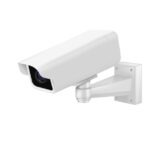 Projectors have evolved from bulky classroom machines into sleek home-theater and business essentials. Today, whether you want movie nights, gaming on a giant screen, presentations for work, outdoor cinema in the backyard, or educational content for kids, a projector can transform a space in a way no TV can. However, buying one isn’t simple. The… Read more: How to Choose the Right Security Camera for Your Home
 - Stay Safe: Everything You Need to Know About Security Cameras
 Projectors have evolved from bulky classroom machines into sleek home-theater and business essentials. Today, whether you want movie nights, gaming on a giant screen, presentations for work, outdoor cinema in the backyard, or educational content for kids, a projector can transform a space in a way no TV can. However, buying one isn’t simple. The… Read more: Stay Safe: Everything You Need to Know About Security Cameras
 - Secure Your Space – Smart Tips for Choosing a Security Camera
 Projectors have evolved from bulky classroom machines into sleek home-theater and business essentials. Today, whether you want movie nights, gaming on a giant screen, presentations for work, outdoor cinema in the backyard, or educational content for kids, a projector can transform a space in a way no TV can. However, buying one isn’t simple. The… Read more: Secure Your Space – Smart Tips for Choosing a Security Camera
 - Sleep Right: Mattress Buying Guide
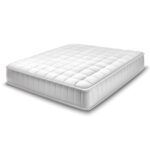 Choosing a mattress sounds simple—until you shop for one. Online stores and furniture showrooms are filled with options: memory foam, hybrid, innerspring, cooling gel, soft, firm, and adjustable. Many claim to improve your sleep, align your spine, or keep you cool, but which mattress actually fits your needs? This helpful buying guide explains how mattresses… Read more: Sleep Right: Mattress Buying Guide
 - Smart Playtime: Buying Guide for Baby Toys
 BEZGAR HQ089 RC Plane, Drones for Kids, 6-axis Gyro Remote Control Airplane, RC Helicopter, Easy Control for Beginners Toys with Colorful LED Navigation Lights As an Amazon Associate, I earn from qualifying purchases Choosing the right baby toy feels simple—until you start shopping. Suddenly, there are hundreds of options claiming to boost learning, improve motor… Read more: Smart Playtime: Buying Guide for Baby Toys
 - Smart Cleanup: Buying Guide for Vacuum CleanersDzaki Cordless Vacuum Cleaner, Stick Vacuum with Smart LED Display, 50KPA 55Mins Vacuum Cleaners for Home, Powerful Suction, Anti-Tangled Lightweight Rechargeable Vac for Pet Hair, Carpet, Hard Floor As an Amazon Associate, I earn from qualifying purchases Keeping a home clean is easier when you have a vacuum cleaner that matches your lifestyle, floor type,… Read more: Smart Cleanup: Buying Guide for Vacuum Cleaners
- Winter Warmth: Buying Guide for the Perfect Winter Jacket
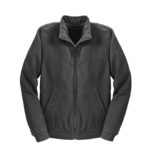 Rrtizan Heated Vest for Men, 12 Heating Zones 3 Temp Levels, 10000mAh Battery USB-C, Waterproof for Hiking(0086, XL) As an Amazon Associate, I earn from qualifying purchases A winter jacket is not just a seasonal purchase—it’s an investment in warmth, comfort, and durability. Whether you live in a snowy region, commute to school or work… Read more: Winter Warmth: Buying Guide for the Perfect Winter Jacket
 - Safe Space: Buying Guide for Large Baby Playpen
 ZEEBABA Extra Large Baby Playpen – 59x69in Play Yard for Babies & Toddlers, Indoor Play Pen with Breathable Mesh and Gate, Parc pour Bébé (Without Mat) As an Amazon Associate, I earn from qualifying purchases A baby playpen is more than a gated space—it’s a safe zone where little ones can explore, crawl, stand, and… Read more: Safe Space: Buying Guide for Large Baby Playpen