
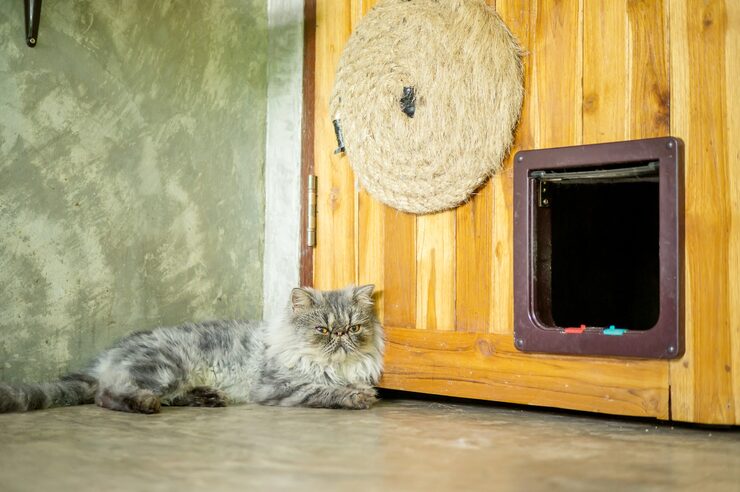
When winter sets in, life becomes especially harsh for outdoor cats, strays, and feral kitties. Cold winds, snow, and freezing rain make survival difficult, and finding safe, warm shelter can be a daily challenge. For cat owners, animal rescuers, or kind-hearted individuals who want to help community cats, a heated outdoor cat house offers the perfect solution.
These shelters are designed with insulation, heating pads, and waterproof covers to keep cats safe and warm in extreme conditions. If you’ve been considering one, this guide will walk you through everything you need to know—from features to look for, pros and cons, use cases, and expert tips—to ensure you choose the right heated cat shelter for winter.
Devices | Features | Price |
|---|---|---|
Heated Cat House | Outside |
What to Consider Before Buying a Heated Outdoor Cat House
Not all cat houses are created equal. Some are better suited for mild weather, while others are built specifically for snowy, icy conditions. Before you buy, keep these factors in mind:
1. Size & Space
- Outdoor shelters come in various sizes.
- For one or two cats, a medium size (around 20–24 inches) works well.
- For multiple cats or larger breeds, opt for an XL insulated shelter around 26 inches or more.
2. Heating Mechanism
- Built-in Heating Pad: Provides continuous warmth, ideal for freezing nights.
- Removable Heating Pad: Offers flexibility—use it in winter and remove during warmer months.
- No Heating (Insulated Only): Suitable for moderate climates.
3. Insulation & Material
- Look for waterproof PVC, nylon, or heavy-duty fabric to withstand rain and snow.
- Insulation keeps heat inside, reducing the risk of frostbite.
- Elevated bases prevent direct contact with frozen ground.
4. Safety Features
- Escape Door: Essential for feral cats to avoid predators.
- Chew-Resistant Cords: Protects from damage and keeps pets safe.
- Thermostat Control: Prevents overheating.
5. Weather Resistance
- Shelters should be 100% waterproof with sealed seams.
- A sloped roof helps snow and rain slide off.
6. Ease of Setup & Portability
- Tool-free assembly is ideal for quick installation.
- Lightweight but sturdy construction makes moving easy if needed.
Product Summary: Heated Outdoor Cat House
A heated outdoor cat house with waterproof covering and insulation is specifically designed for stray and feral cats, as well as pets that enjoy time outdoors.
| Feature | Details |
|---|---|
| Material | Waterproof PVC cover with insulated interior |
| Size | Extra-large (~26 inches), suitable for multiple cats |
| Heating | Includes pet-safe heating pad with thermostat control |
| Design | Dual-door system with escape option |
| Weather Resistance | 100% waterproof, windproof, and snow-resistant |
| Use Cases | Outdoor cats, feral colonies, barn cats, rescue shelters |
This setup offers both warmth and security, giving vulnerable cats a safe space to endure cold winters.
Pros & Cons
✅ Pros
- Provides consistent warmth with pet-safe heating pad
- Insulated walls keep heat in and cold out
- Waterproof and wind-resistant for harsh weather
- Escape door ensures safety for feral cats
- Spacious enough for multiple cats
❌ Cons
- Requires access to electricity for heating pad
- Can be pricier than non-heated shelters
- May be too large for small patios or balconies
- Needs regular inspection for cord wear and tear
Who It’s Best For
- Cat Owners: Perfect for families with indoor-outdoor cats who want to provide extra winter comfort.
- Animal Rescuers: Essential for TNR (Trap-Neuter-Return) caretakers managing feral colonies.
- Farm & Barn Owners: A safe, warm space for working cats in agricultural areas.
- Animal Lovers: Anyone who wants to offer stray or neighborhood cats protection during freezing months.
Real-Life Use Cases & Expert Insights
- Rescue Volunteers: Many TNR groups recommend heated cat houses with escape doors because they give feral cats a safe retreat without risk of entrapment.
- Outdoor Cat Owners: Pet parents who allow supervised outdoor time in winter often use these shelters in backyards or porches.
- Farmers & Rural Homes: Barn cats rely on heated shelters when temperatures dip below zero, ensuring they remain healthy enough to continue controlling pests.
Expert Tip: Always place the cat house in a quiet, sheltered location, such as under a porch or against a wall, to protect it further from wind and predators.
Comparisons: Heated vs. Non-Heated Cat Houses
| Feature | Heated Cat House | Non-Heated Cat House |
|---|---|---|
| Warmth | Provides consistent heat via heating pad | Relies only on insulation & cat’s body heat |
| Best For | Freezing climates, snow, icy conditions | Mild winters or covered outdoor areas |
| Cost | Higher | Lower |
| Safety Considerations | Requires safe wiring & monitoring | No electricity needed |
| Flexibility | Heating pad removable in warmer months | Seasonal use only |
FAQs
1. Is a heated cat house safe?
Yes, as long as it uses a low-voltage pet-safe heating pad with chew-resistant cords and thermostat control.
2. Can I use this for dogs or other animals?
Most heated shelters are designed for cats, but small dogs or rabbits may also benefit, provided they fit comfortably.
3. How do I clean a heated cat house?
Many shelters have removable, washable covers. Always unplug the heating pad before cleaning.
4. Do cats actually use heated houses?
Yes! Stray and feral cats instinctively seek warmth. Most will quickly adapt to the shelter once placed in a quiet, safe spot.
5. What if I don’t have outdoor outlets?
You can use extension cords rated for outdoor use or opt for a non-heated insulated shelter with self-warming pads.
6. Can more than one cat fit inside?
Yes, an XL 26-inch shelter is generally big enough for 2–3 average-sized cats.
Final Recommendation
A heated outdoor cat house is more than a shelter—it’s a lifeline for cats during the winter months. With features like waterproof insulation, a built-in heating pad, and an escape door, these shelters balance warmth, safety, and durability.
If you:
- Care for outdoor or feral cats
- Live in a region with harsh winters
- Want peace of mind knowing cats have a safe refuge
…then investing in a heated cat house is an excellent choice.
Final Tip: Always prioritize safety and weatherproofing. Look for pet-safe heating pads, durable waterproof materials, and escape doors to ensure that cats not only stay warm but also secure.
With the right shelter, you’re not just buying a product—you’re providing comfort, safety, and compassion to animals that need it most.