
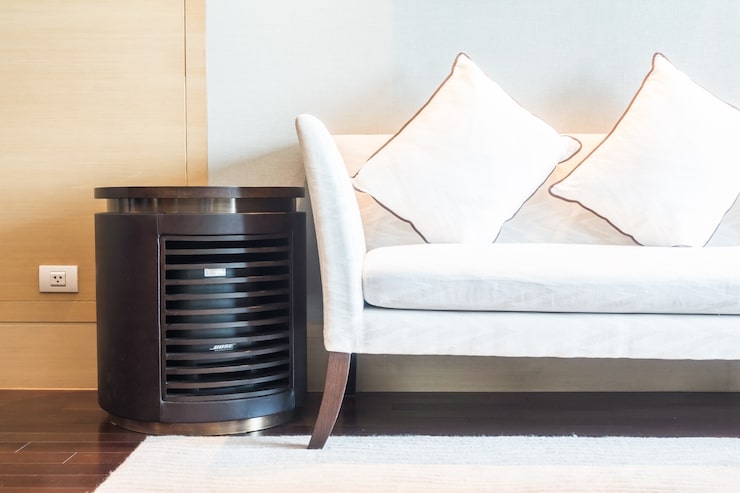
As colder months approach, keeping your living space comfortable becomes a top priority. While central heating systems are effective, they’re not always practical or cost-efficient for every home. This is where a home space heater can make a big difference.
Compact, efficient, and versatile, space heaters are designed to provide warmth in specific rooms or zones without heating the entire house. From bedrooms and offices to basements and garages, they offer targeted heating solutions to match your needs.
But with so many options—ceramic, oil-filled, infrared, or fan-forced—choosing the right one can feel overwhelming. This buying guide breaks down what you need to consider, compares different types, explores pros and cons, and provides real-world insights to help you select the perfect space heater for your home.
Devices | Features | Price |
|---|---|---|
Home Space Heater | 1500W |
What to Consider Before Buying a Home Space Heater
1. Heating Technology
Different heaters use different technologies to generate and distribute heat:
- Ceramic Heaters: Quick to warm up, energy-efficient, good for small to medium rooms.
- Oil-Filled Radiators: Slower to heat, but provide long-lasting, even warmth.
- Infrared Heaters: Heat objects and people directly rather than the air, ideal for personal warmth.
- Fan-Forced Heaters: Distribute heat rapidly across a room using a fan, but may be noisier.
2. Room Size
Space heaters are rated based on wattage:
- Small rooms (up to 150 sq. ft.): 500–750 watts.
- Medium rooms (150–300 sq. ft.): 1000–1500 watts.
- Large rooms (300+ sq. ft.): 1500 watts+ with advanced distribution.
3. Safety Features
Safety is crucial when dealing with heaters. Look for:
- Tip-over protection (automatically shuts off if knocked over).
- Overheat protection (shuts off if the unit gets too hot).
- Cool-touch housing to prevent burns.
- Certifications like ETL or UL for safety compliance.
4. Energy Efficiency
If you want to reduce electricity bills, choose a model with:
- Programmable thermostat.
- Energy-saving modes.
- Adjustable heat settings.
- Timer functions to avoid wasted energy.
5. Portability & Design
- Portable units with handles or wheels are perfect for moving between rooms.
- Compact designs fit better in smaller spaces like dorms or home offices.
- Stylish heaters can blend into home décor.
6. Noise Level
- Oil-filled radiators and infrared heaters are usually quiet.
- Fan-forced models may produce noticeable noise, especially at higher settings.
Product Summary: Comparing Home Space Heaters
| Heater Type | Best For | Pros | Cons | Price Range |
|---|---|---|---|---|
| Ceramic Heaters | Small to medium rooms | Quick heating, energy-efficient | May dry air, limited large-room use | Low-Mid |
| Oil-Filled Radiators | Long-lasting heat | Silent, even warmth, safe for overnight | Slow to heat, heavier design | Mid-High |
| Infrared Heaters | Personal warmth, spot heat | Instant heating, natural-feeling warmth | Limited range, less effective in large rooms | Mid-High |
| Fan-Forced Heaters | Quick heating in any room | Affordable, rapid heat distribution | Noisier, less energy-efficient | Low |
| Panel/Wall Heaters | Permanent room heating | Sleek design, space-saving | Installation needed, higher cost | Mid-High |
Pros & Cons of Home Space Heaters
✅ Pros
- Targeted Heating: Warm specific rooms without heating the entire house.
- Energy Savings: Lower energy bills by supplementing central heating.
- Variety of Options: Multiple designs to suit room size and needs.
- Portability: Easy to move between rooms.
- Immediate Comfort: Many models heat up within seconds.
❌ Cons
- Limited Range: Not effective for heating very large homes.
- Energy Use: Running multiple heaters can increase bills.
- Safety Risks: Improper use may cause overheating or fire hazards.
- Dry Air: Some types, like fan heaters, can reduce humidity indoors.
Who It’s Best For
- Apartment Dwellers: Portable heaters provide flexible warmth without changing central systems.
- Homeowners with Drafty Rooms: Supplement heating in basements, attics, or garages.
- Office Workers: Desk-sized heaters keep personal spaces cozy.
- Families: Programmable heaters allow safe, consistent heating for children’s rooms.
- Seniors: Easy-to-use models with safety features ensure comfort and security.
- Eco-Conscious Users: Energy-efficient units with thermostats help reduce carbon footprint.
Real Insights: Practical Experiences
- Parents often rely on oil-filled radiators for nurseries since they provide steady heat without noise or fan-driven air circulation.
- Students in dorms use compact ceramic heaters because they’re affordable, portable, and quick to warm up.
- Home office workers value infrared heaters for personal warmth without increasing whole-house heating costs.
- People in cold basements recommend fan-forced heaters for quick bursts of heat while working or exercising.
- Elderly homeowners prefer models with remote controls and safety shut-offs for convenience and peace of mind.
FAQs
Q1: Are space heaters safe to use overnight?
Yes, as long as they have built-in safety features like tip-over and overheat protection. Oil-filled radiators are especially popular for overnight use.
Q2: How much electricity does a space heater use?
Most run at 750–1500 watts. Running costs depend on your local electricity rates and how long the heater operates.
Q3: Can space heaters replace central heating?
Not entirely. They’re designed for supplemental heating or warming individual rooms rather than entire homes.
Q4: Do space heaters dry out the air?
Fan-forced and ceramic heaters may reduce humidity, while oil-filled and infrared heaters have less impact on air dryness.
Q5: Where should I place a space heater?
Always place it on a flat, stable surface away from curtains, bedding, and flammable items. Maintain at least 3 feet of clearance around the unit.
Final Recommendation
A home space heater is a practical, affordable solution for boosting comfort during cold seasons. From compact ceramic models to long-lasting oil-filled radiators, there’s a heater to match every lifestyle and budget.
When choosing your space heater, keep these factors in mind:
- Room size: Match wattage to square footage.
- Heating technology: Choose ceramic for speed, oil-filled for steady warmth, infrared for personal use, or fan-forced for versatility.
- Safety features: Prioritize automatic shut-offs, cool-touch surfaces, and certifications.
- Energy efficiency: Look for thermostats, timers, and eco-modes to keep bills manageable.
For quick spot heating in a small room, a ceramic or fan-forced heater may be enough. If you want long-lasting, silent warmth, go with an oil-filled radiator. For targeted personal comfort in a workspace, infrared heaters excel.
✅ Key Takeaway: A well-chosen space heater not only keeps you warm but also saves energy and enhances comfort in your home. By understanding heating technologies, safety features, and room size requirements, you can confidently pick a model that delivers reliable warmth all winter long.