
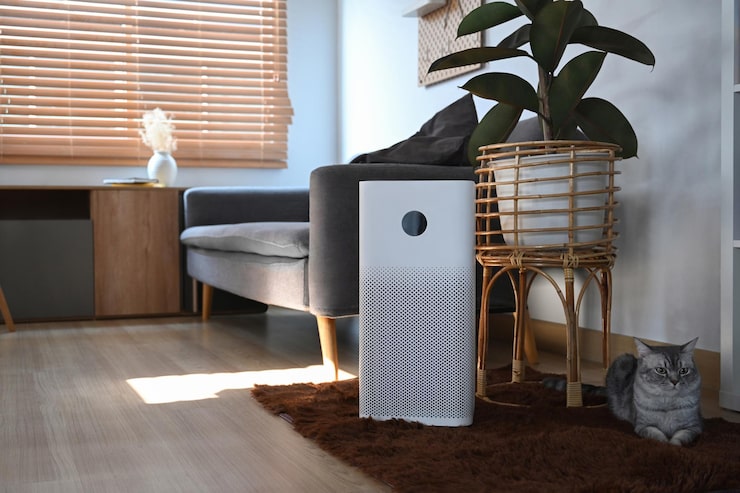
Moisture in crawl spaces is one of the most overlooked yet serious problems homeowners face. Excess humidity can lead to mold, mildew, wood rot, and even structural damage over time. A crawl space dehumidifier rated at 70 PPD (pints per day) is designed to remove up to 70 pints of water from the air within 24 hours under specific conditions.
These powerful machines are more than just “nice-to-have” appliances; they’re an investment in home health. This guide provides a complete breakdown of what to consider before buying a 70 PPD crawl space dehumidifier, along with comparisons, pros and cons, and practical insights from real-world use.
Devices | Features | Price |
|---|---|---|
70 PPD Crawl Space Dehumidifier | Portable |
What to Consider Before Buying
A crawl space dehumidifier isn’t a one-size-fits-all solution. Here are the most important factors to evaluate:
1. Moisture Load and Crawl Space Size
- Coverage area: A 70 PPD unit typically covers spaces from 1,500 to 3,500 square feet, depending on humidity levels.
- Moisture severity: If your crawl space has standing water or extreme dampness, additional waterproofing may be required before installing a dehumidifier.
2. Drainage Options
- Continuous drain hose: Ideal for low-maintenance operation.
- Built-in pump models: Allow for vertical pumping into sinks, drains, or outdoors.
- Gravity drainage: Works well if the unit sits higher than the drainage point.
3. Airflow and Ducting
- CFM rating (cubic feet per minute): Higher airflow means faster drying.
- Ducting compatibility: Some models can be ducted to service multiple rooms or connected to HVAC systems.
4. Operating Temperature Range
Crawl spaces are often cooler than the rest of the home. Look for a dehumidifier designed to operate effectively in low temperatures (as low as 36°F).
5. Energy Efficiency
- Energy Star rating: Reduces operating costs.
- Automatic humidistat: Helps maintain consistent humidity levels without overuse.
6. Build Quality and Durability
Crawl spaces can be harsh environments. Choose a model with corrosion-resistant coils, a durable steel or heavy-duty plastic casing, and washable filters.
7. Noise Level
Even though crawl spaces are below living areas, noise may still travel. Consider decibel ratings if sound is a concern.
Product Summary: Common Types of 70 PPD Dehumidifiers
| Feature | Standard Crawl Space Unit | Pump-Equipped Unit | Ductable Unit |
|---|---|---|---|
| Drainage | Gravity hose | Built-in pump | Flexible options |
| Coverage | 1,500–2,500 sq. ft. | 2,000–3,500 sq. ft. | 2,500–3,500 sq. ft. |
| Best Use | Simple setups | Spaces without floor drains | Whole-home or multi-room |
| Cost Range | Lower | Mid-range | Higher |
| Maintenance | Hose checks, filter cleaning | Pump cleaning, filter changes | More ducting upkeep |
Pros & Cons of 70 PPD Crawl Space Dehumidifiers
Pros
- Effective moisture removal: Ideal for medium-to-large crawl spaces.
- Prevents mold and rot: Protects both structure and air quality.
- Energy-efficient models available: Save on electricity costs.
- Flexible drainage options: Gravity, hose, or pump.
- Durable construction: Designed for tough crawl space environments.
Cons
- Higher upfront cost: More expensive than portable room dehumidifiers.
- Installation may be tricky: Some units require professional setup.
- Maintenance needed: Filters, pumps, and hoses need regular checks.
- Noise level: Louder than smaller models, though less noticeable in crawl spaces.
Who It’s Best For
A 70 PPD crawl space dehumidifier is best suited for:
- Homeowners with large crawl spaces (1,500–3,500 sq. ft.) dealing with persistent humidity.
- Properties in humid climates where mold and mildew are recurring issues.
- Individuals with allergies or asthma, as reducing humidity improves indoor air quality.
- Landlords and property managers wanting to protect rental properties from moisture damage.
- Renovators and contractors who need reliable dehumidification during construction projects.
💡 Real insight: A homeowner in a coastal region shared that installing a 70 PPD unit in his crawl space reduced indoor musty odors within two weeks and kept the wooden support beams dry, saving thousands in potential repairs.
FAQs
What does 70 PPD mean?
It refers to the amount of moisture the unit can remove in 24 hours under standard conditions (temperature and relative humidity).
Can I use a regular room dehumidifier instead?
Not recommended. Room models lack the power, durability, and drainage capacity needed for crawl spaces.
Do these units require professional installation?
Some do, especially ductable or pump-equipped models. However, gravity-drain units can often be installed by homeowners.
How often should I clean the filter?
Most filters should be checked monthly and cleaned or replaced every 2–3 months.
What’s the ideal humidity level for a crawl space?
Experts recommend maintaining 50–60% relative humidity to prevent mold growth.
Final Recommendation
A 70 PPD crawl space dehumidifier is one of the most effective tools for protecting your home from the damaging effects of excess moisture. It’s a long-term investment in structural integrity, air quality, and overall comfort.
When buying:
- Choose a standard unit if you have a floor drain and a moderately sized crawl space.
- Opt for a pump-equipped model if you need to move water upward or don’t have a convenient drainage point.
- Select a ductable unit if you want whole-home coverage or advanced moisture control.
For most homeowners, a standard 70 PPD dehumidifier with continuous drain capability will meet everyday needs. But if your crawl space is large or lacks easy drainage, upgrading to a pump or ductable version will deliver the best long-term value.
Bottom line: If you want to safeguard your home against moisture damage, improve air quality, and reduce allergens, a 70 PPD crawl space dehumidifier is a smart investment that pays for itself in prevention and peace of mind.