
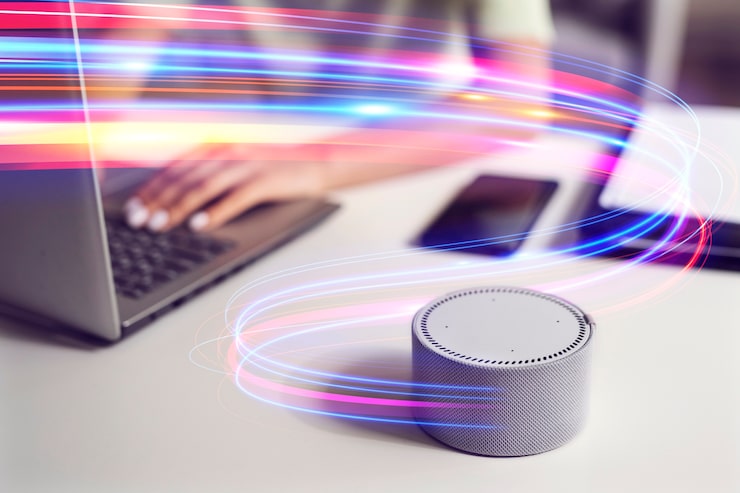
Music is no longer confined to living rooms, car stereos, or wired setups. Thanks to portable Bluetooth speakers, you can now bring high-quality sound to the beach, a picnic, your backyard, or even your kitchen counter. These small yet powerful devices have become an everyday essential for music lovers, podcast enthusiasts, and anyone who values entertainment on the go.
But with hundreds of models on the market—ranging from ultra-compact pocket speakers to large party systems—it can be overwhelming to decide which one is right for you. That’s why this guide is here: to simplify the buying process, highlight the most important features, and help you find a Bluetooth speaker that suits your lifestyle.
Devices | Features | Price |
|---|---|---|
Bluetooth Speaker | 60W Loud Portable Wireless Speaker |
What to Consider Before Buying a Bluetooth Speaker
Before hitting “add to cart,” think carefully about your needs. Different speakers are designed for different situations. Here are the most important factors to consider:
1. Sound Quality
- Bass: Larger drivers usually deliver stronger bass, but some compact models use passive radiators to enhance low frequencies.
- Clarity: Look for balanced mids and highs so vocals and instruments sound natural.
- Volume: Consider maximum loudness (measured in decibels) if you plan to use it outdoors or at gatherings.
2. Size and Portability
- Pocket-Sized: Ideal for personal listening and travel.
- Medium-Sized: Good balance of portability and power, great for small gatherings.
- Large Models: Deliver powerful sound for parties but are less portable.
3. Battery Life
- Ranges from 5 to 40 hours depending on size and usage.
- Fast-charging models are handy if you forget to recharge.
- Consider how often and where you’ll use the speaker—longer battery life is crucial for camping or travel.
4. Durability and Build Quality
- Water Resistance: IPX ratings indicate protection from splashes, rain, or full submersion.
- Dust Resistance: Important for beaches or outdoor hiking.
- Shock Resistance: Rugged models withstand drops and rough use.
5. Connectivity Options
- Bluetooth Versions: Newer versions (like 5.0 or 5.3) offer faster pairing, better range, and efficiency.
- Auxiliary Input: Some models include a 3.5mm jack for wired playback.
- USB-C Charging: More modern and faster than micro-USB.
- Multi-Speaker Pairing: Lets you connect multiple speakers for stereo sound.
6. Smart Features
- Voice assistant integration (Alexa, Google Assistant, or Siri).
- Built-in microphones for hands-free calls.
- App controls for sound customization and firmware updates.
7. Price Range
- Budget Speakers: Affordable and compact, but may compromise on sound depth.
- Mid-Range Models: Balance between sound quality, durability, and battery life.
- Premium Speakers: Offer superior sound, rugged builds, and advanced features.
Product Summary Table
Here’s a quick overview comparing common Bluetooth speaker categories:
| Feature | Compact / Budget | Mid-Range | Premium / High-End |
|---|---|---|---|
| Sound Quality | Decent clarity, limited bass | Balanced, fuller sound | Rich bass, wide soundstage, loud |
| Battery Life | 5–10 hours | 12–20 hours | 20–40+ hours |
| Portability | Ultra-light, fits in a pocket | Portable, good for outdoor trips | Larger, best for home & parties |
| Durability | Basic, may lack water resistance | Water/dust-resistant (IPX ratings) | Fully waterproof, rugged builds |
| Connectivity | Bluetooth only | Bluetooth + aux/USB-C | Multi-device pairing, app controls |
| Price Range | Low | Moderate | High |
Pros & Cons of Bluetooth Speakers
Pros
- Wireless Convenience: No cords, no hassle—connect instantly from phones or tablets.
- Portable Entertainment: Take music anywhere, from picnics to road trips.
- Wide Variety: Options for every budget and lifestyle.
- Expandable Use: Many models can pair with others for stereo or surround sound.
- Durability: Rugged designs built for outdoor adventures.
Cons
- Battery Dependency: Needs recharging, unlike wired speakers.
- Sound Limitations: Ultra-small models can’t match the depth of larger systems.
- Connectivity Range: Bluetooth usually works within 30–50 feet.
- Premium Costs: High-end speakers with top features can be expensive.
Who It’s Best For
Bluetooth speakers aren’t a one-size-fits-all purchase. Here’s a breakdown by lifestyle:
- Travelers & Backpackers: Compact, lightweight speakers with long battery life.
- Outdoor Enthusiasts: Waterproof, rugged models that handle dirt and weather.
- Students & Young Adults: Affordable mid-range speakers for dorms or gatherings.
- Families at Home: Larger models with strong bass for living rooms and backyard fun.
- Party Hosts: Premium speakers with multi-speaker pairing and booming volume.
Real-World Insights
Music lovers often highlight how Bluetooth speakers have changed their daily routines. For example:
- Morning Motivation: A compact speaker in the bathroom makes getting ready more enjoyable.
- Outdoor Adventures: Campers and hikers prefer rugged, waterproof models to handle unpredictable conditions.
- Home Entertainment: Families use mid-range or premium speakers for background music during dinner, movie nights, or garden barbecues.
- Work Flexibility: Many remote workers use small speakers for conference calls thanks to built-in microphones.
Experts in audio technology suggest paying close attention to the driver size and frequency range. A speaker may look stylish, but without decent hardware, sound quality suffers. Also, investing in a speaker with Bluetooth 5.0 or newer ensures stable connectivity and better energy efficiency.
FAQs About Bluetooth Speakers
Q1: What does IPX rating mean?
It’s a measure of water and dust resistance. For example, IPX4 protects against splashes, while IPX7 allows full submersion in water.
Q2: Can I use a Bluetooth speaker without Wi-Fi?
Yes. Bluetooth works independently of Wi-Fi, so you can connect directly from your phone or tablet.
Q3: Do Bluetooth speakers work with TVs?
Yes, if your TV supports Bluetooth. Otherwise, you may need an adapter.
Q4: How long do Bluetooth speakers last?
With proper care, a good speaker can last 3–5 years or more. Battery lifespan depends on usage and charging habits.
Q5: Can I connect more than one device at a time?
Some models allow multi-device pairing, letting you switch between phones or laptops seamlessly.
Q6: What’s the difference between mono and stereo Bluetooth speakers?
Mono speakers have a single audio channel, while stereo speakers create a richer, more immersive sound with two channels.
Final Recommendation
A Bluetooth speaker is one of the most versatile tech investments you can make. The right choice depends on your personal needs:
- For casual users: A compact, budget-friendly model is perfect for personal listening and travel.
- For active lifestyles: Look for rugged, waterproof designs with long battery life.
- For music enthusiasts: Premium models offer rich sound and advanced features worth the extra cost.
When shopping, focus on:
- Sound quality (driver size, bass, clarity).
- Battery life (match to your usage habits).
- Durability (especially if you’ll use it outdoors).
- Connectivity (modern Bluetooth versions and extra inputs).
Whether you’re setting the mood at a beach party, enjoying quiet music while studying, or bringing entertainment to family picnics, a Bluetooth speaker ensures that great sound is always within reach.
In short: if you value freedom, portability, and music without limits, a Bluetooth speaker is a must-have.