
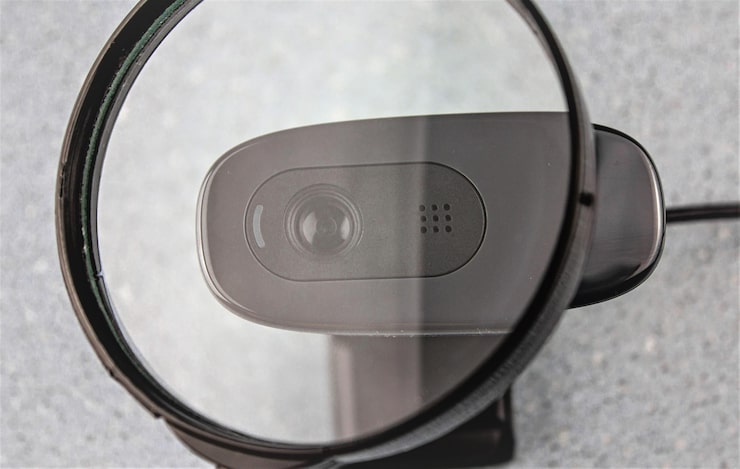
Privacy is no longer guaranteed in today’s digital age. With the rise of compact surveillance devices, hidden cameras are increasingly being found in hotel rooms, Airbnb rentals, changing rooms, and even offices. While these devices are marketed for legitimate purposes like home security, they can also be misused to invade personal privacy.
A hidden camera detector is a simple yet powerful tool designed to help you identify and locate unauthorized surveillance equipment. By detecting unusual radio frequencies, lens reflections, or wireless signals, these devices empower users to protect their personal space and peace of mind.
If you’re considering purchasing a hidden camera detector, this comprehensive buying guideline will walk you through everything you need to know—from features and comparisons to real-world use cases, pros and cons, and expert insights.
Devices | Features | Price |
|---|---|---|
Hidden Camera Detector | Laser Lens Finder |
What to Consider Before Buying a Hidden Camera Detector
Not all detectors are made equal. The right choice depends on your needs, budget, and intended use. Here are the key factors to evaluate:
1. Detection Technology
Hidden camera detectors rely on different methods:
- RF (Radio Frequency) Detection – Scans for wireless signals used by cameras, GPS trackers, or bugs.
- Lens Detection – Uses a special light or laser to reflect off camera lenses, revealing hidden devices.
- Magnetic Detection – Identifies magnetic fields from wired devices or recorders.
- Infrared Scanning – Detects infrared light emitted by night vision cameras.
👉 Tip: A combination device that supports multiple detection methods offers the best coverage.
2. Detection Range
- Short-range devices (2–5 meters) are useful for personal spaces like hotel rooms.
- Long-range models can scan larger areas such as conference rooms or rental properties.
- Adjustable sensitivity allows you to narrow down the location of suspicious devices.
3. Portability
- A pocket-sized detector is ideal for travelers.
- Larger, professional-grade detectors are better suited for corporate security teams.
4. Ease of Use
- Look for devices with simple controls and clear indicators.
- Some detectors include audible alarms, vibration modes, or LED signals for intuitive operation.
5. Battery Life
- Compact detectors often use rechargeable batteries with 6–12 hours of continuous operation.
- Longer-lasting options are better for extended scans or professional use.
6. Durability
- A sturdy casing ensures protection against accidental drops.
- Some high-end models are built with professional-grade components for long-term reliability.
7. Additional Features
- Adjustable sensitivity levels.
- Flashlight or laser lens scanning.
- Silent vibration mode for discreet scanning.
Product Summary: Hidden Camera Detector
| Feature | Details | Benefit |
|---|---|---|
| Technology | RF detection, lens scanning, infrared | Detects multiple surveillance types |
| Range | 2–15 meters (varies by model) | Covers small rooms to larger spaces |
| Battery Life | 6–12 hours (rechargeable) | Long-lasting protection |
| Portability | Compact, lightweight | Easy for travelers |
| Ease of Use | LED indicators, alarms, vibration | Simple operation for beginners |
| Durability | Sturdy casing | Withstands everyday handling |
Pros & Cons
✅ Pros
- Multi-purpose detection (cameras, GPS trackers, audio bugs).
- Lightweight and portable for on-the-go security.
- Discreet operation with silent vibration mode.
- Rechargeable batteries for cost-effective use.
- User-friendly design even for non-technical individuals.
❌ Cons
- False alarms possible if sensitivity isn’t adjusted.
- Shorter range compared to professional-grade scanners.
- Requires practice to interpret signals correctly.
- High-end models can be costly for casual users.
Who It’s Best For
- Frequent Travelers – Peace of mind when staying in hotels or rentals.
- Business Professionals – Ensures meeting rooms or offices remain secure.
- Parents & Families – Protects against hidden devices in changing rooms or public spaces.
- Journalists & Activists – Safeguards sensitive conversations.
- Corporate Security Teams – Useful for large-scale sweeps of workspaces.
Real Insights and Use Cases
✈️ Travel Security
Imagine checking into a hotel in a foreign country. With a hidden camera detector, you can scan the room within minutes to ensure no unauthorized devices are present.
🏠 Home Protection
For parents hiring babysitters or caregivers, a quick sweep with a detector ensures no unauthorized monitoring devices have been placed in private areas.
📊 Workplace Privacy
Companies dealing with sensitive projects use these detectors to safeguard intellectual property from covert surveillance.
🎤 Conferences & Meetings
A hidden camera detector helps secure confidential discussions by identifying possible eavesdropping devices.
👉 Expert Insight: Security experts recommend scanning both obvious spots (smoke detectors, clocks, power outlets) and unexpected areas (mirrors, air purifiers, USB chargers).
FAQs
1. Do hidden camera detectors work on all devices?
No single detector can catch every type of hidden device, but those combining RF, infrared, and lens scanning provide the best coverage.
2. How do I know if I’ve found a hidden camera?
If the detector indicates suspicious activity, inspect the area visually. A bright reflection from the detector’s light often reveals hidden lenses.
3. Are these detectors legal to use?
Yes, it is legal to use hidden camera detectors for personal protection. However, laws regarding surveillance equipment vary by country.
4. How accurate are they?
Most consumer-grade detectors are highly accurate within their range but may trigger false positives from Wi-Fi routers or Bluetooth devices.
5. Can they detect wired cameras?
Yes, especially if the device includes lens detection or magnetic field sensors.
Comparison: Entry-Level vs. Professional Hidden Camera Detectors
| Feature | Entry-Level Detector | Professional Detector |
|---|---|---|
| Detection Methods | RF or lens scanning | Multi-mode (RF, IR, lens, magnetic) |
| Range | 2–5 meters | 10–15+ meters |
| Ease of Use | Very simple | Requires training |
| Portability | Compact | Larger, heavier |
| Battery Life | 6–8 hours | 10–20 hours |
| Best For | Travelers, casual users | Businesses, security teams |
Final Recommendation
A hidden camera detector is an essential tool for anyone concerned about privacy in today’s connected world. Whether you’re a frequent traveler, a parent, or a professional safeguarding confidential information, this device provides peace of mind at a relatively low cost.
- For casual users and travelers: A compact, affordable model with basic RF and lens detection features is more than enough.
- For professionals or corporate security: Invest in advanced models with multi-sensor detection and longer range for comprehensive sweeps.
Key Takeaway
In an era where personal privacy can be compromised without your knowledge, investing in a hidden camera detector is not a luxury—it’s a necessity. Choosing the right model ensures that your home, workplace, and travels remain safe spaces, free from unauthorized surveillance.
With the right knowledge of detection technology, range, and ease of use, you can confidently select a device that empowers you to take control of your privacy.