
[Klyxoo.com] is a participant in the Amazon Services LLC Associates Program, an affiliate advertising program designed to provide a means for sites to earn advertising fees by advertising and linking to Amazon.uk
Finding time to stay active can be challenging, especially when work, family responsibilities, and weather conditions interfere with outdoor exercise. Walking pads have become a practical solution for people who want to maintain an active lifestyle without leaving their homes or offices.
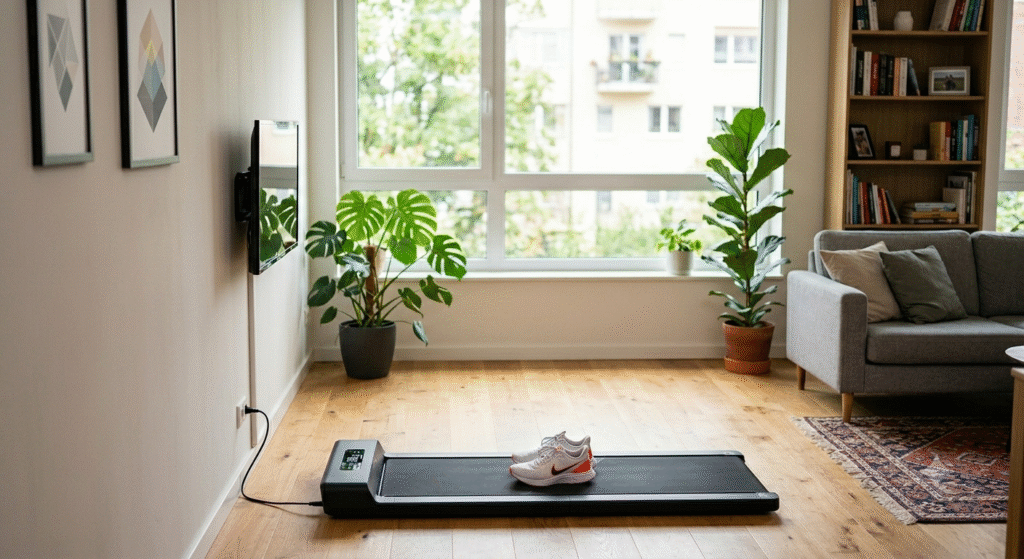
A walking pad is a compact treadmill designed primarily for walking rather than intense running. Its slim design, portability, and ease of storage make it an attractive option for apartments, home offices, and small living spaces.
However, not all walking pads are created equal. Features, performance, durability, and user experience can vary significantly between models. Choosing the wrong one may result in discomfort, limited functionality, or wasted money.
This comprehensive walking pad buying guide explains everything you need to know before making a purchase. From key features and specifications to advantages, limitations, and ideal use cases, this guide will help you confidently choose the right walking pad for your needs.
What Is a Walking Pad?
A walking pad is a compact fitness machine designed for indoor walking. Unlike traditional treadmills, walking pads are typically lightweight, foldable, and easier to store.
Many users place walking pads under standing desks to stay active while working. Others use them as convenient exercise equipment for daily step goals, weight management, or light cardiovascular training.
Common Uses
- Walking while working from home
- Increasing daily step count
- Indoor exercise during bad weather
- Low-impact fitness routines
- Active recovery workouts
- Maintaining mobility and circulation
Why Walking Pads Are Becoming Popular
The popularity of walking pads continues to grow because they solve several common fitness challenges.
Convenience
Users can walk at any time without commuting to a gym.
Space Efficiency
Most walking pads fit under beds, sofas, or desks.
Low-Impact Exercise
Walking places less stress on joints than running.
Improved Productivity
Many remote workers use walking pads while performing routine tasks.
Beginner-Friendly
Walking pads are suitable for most fitness levels.
What to Consider Before Buying a Walking Pad
Choosing the best walking pad requires evaluating several important factors.
1. Walking Speed Range
One of the first specifications to examine is the speed range.
Typical walking pads offer speeds between:
| Activity | Recommended Speed |
|---|---|
| Casual walking | 1–2 mph |
| Brisk walking | 3–4 mph |
| Power walking | 4–5 mph |
If your goal is light movement during work hours, lower speed ranges may be sufficient.
If you prefer more intense walking workouts, select a model with higher maximum speeds.
Expert Tip
A wider speed range provides greater flexibility as your fitness level improves.
2. Weight Capacity
Weight capacity directly affects safety and durability.
Most walking pads support:
- 220 lbs
- 265 lbs
- 300 lbs
- 350 lbs
For optimal performance, choose a walking pad that exceeds your body weight by at least 20–30 pounds.
Higher weight capacities often indicate stronger construction and longer lifespan.
3. Walking Surface Size
A comfortable walking experience depends heavily on deck dimensions.
Narrow Walking Surfaces
Pros:
- More compact
- Easier storage
Cons:
- Less comfortable for larger users
Wider Walking Surfaces
Pros:
- Greater stability
- More natural stride
Cons:
- Requires additional space
Consider both your height and stride length when evaluating walking area dimensions.
4. Motor Power
Motor strength influences performance, noise level, and durability.
Lower-Powered Motors
Best for:
- Light walking
- Occasional use
Higher-Powered Motors
Best for:
- Daily exercise
- Extended walking sessions
- Heavier users
A stronger motor typically handles prolonged operation more efficiently.
5. Noise Level
Noise can significantly impact your experience, especially in apartments or shared workspaces.
Look for:
- Quiet motor systems
- Shock-absorbing decks
- Noise-reduction technology
Ideal for:
- Home offices
- Apartments
- Shared living spaces
- Virtual meetings
Reading user feedback regarding operational noise can provide valuable insight.
6. Foldability and Storage
Space-saving design is one of the biggest advantages of walking pads.
Consider:
- Folding mechanism
- Storage dimensions
- Transport wheels
- Overall weight
A truly portable walking pad should be easy to move and store without assistance.
7. Display and Tracking Features
Tracking progress helps maintain motivation.
Common metrics include:
- Steps
- Distance
- Speed
- Time
- Calories burned
Some advanced models may also provide:
- Mobile app connectivity
- Fitness tracking integration
- Workout history
Choose features that align with your fitness goals rather than paying for unnecessary extras.
8. Safety Features
Safety should never be overlooked.
Important safety features include:
- Emergency stop function
- Auto shutoff
- Anti-slip walking belt
- Stable frame construction
- Child safety lock
These features become especially important in households with children or pets.
9. Shock Absorption
Walking may seem low impact, but repetitive movement can still affect joints over time.
Good cushioning systems can help reduce stress on:
- Knees
- Ankles
- Hips
- Lower back
Users with joint sensitivity should prioritize shock absorption technology.
10. Assembly Requirements
Some walking pads arrive ready to use.
Others require partial setup.
Before purchasing, check:
- Assembly complexity
- Included tools
- Setup instructions
A simpler setup process creates a better ownership experience.
Walking Pad Feature Comparison
| Feature | Basic Models | Mid-Range Models | Premium Models |
| Speed Range | Limited | Moderate | Wide |
| Noise Level | Average | Quiet | Very Quiet |
| Weight Capacity | Lower | Moderate | High |
| Tracking Features | Basic | Advanced | Extensive |
| Cushioning | Standard | Improved | Premium |
| Durability | Moderate | Good | Excellent |
| Storage Options | Good | Very Good | Excellent |
This comparison helps identify which category best fits your needs and budget.
Pros and Cons of Walking Pads
Pros
Space Saving
Walking pads require far less room than traditional treadmills.
Convenient Exercise
You can walk regardless of weather conditions.
Easy to Use
Most models are beginner-friendly.
Supports Daily Movement
Helps combat sedentary lifestyles.
Suitable for Home Offices
Walking while working can increase activity levels.
Lower Impact
Walking places less strain on joints than running.
Cons
Limited Running Capability
Most walking pads are not designed for intense running.
Smaller Walking Surface
Compact size may feel restrictive to some users.
Fewer Training Programs
Many walking pads focus on simplicity rather than advanced workouts.
Motor Limitations
Some entry-level models struggle during long sessions.
Weight Restrictions
Not all units support heavier users comfortably.
Who Should Buy a Walking Pad?
Walking pads are ideal for many individuals.
Remote Workers
People working from home often spend hours sitting.
A walking pad can increase movement without disrupting productivity.
Apartment Residents
Compact designs make walking pads suitable for smaller living spaces.
Beginners
Walking is one of the safest and most accessible forms of exercise.
A walking pad offers an easy starting point.
Older Adults
Many seniors prefer walking pads for controlled indoor exercise.
The low-impact nature can support mobility and cardiovascular health.
Busy Professionals
Individuals with limited free time can fit walking sessions into their daily routines more easily.
People Recovering from Sedentary Habits
Those transitioning from inactive lifestyles often find walking pads approachable and sustainable.
Who Might Not Benefit from a Walking Pad?
Although useful, walking pads are not ideal for everyone.
Serious Runners
Dedicated runners typically require larger, more powerful treadmills.
High-Intensity Athletes
Athletes focused on sprint training may find walking pads limiting.
Users Needing Steep Inclines
Most walking pads offer little to no incline functionality.
Best Use Cases for a Walking Pad
Under-Desk Walking
One of the most popular applications.
Users can walk slowly while:
- Answering emails
- Attending meetings
- Reading documents
- Completing administrative work
Daily Step Goals
Many people struggle to achieve recommended daily movement targets.
Walking pads provide a convenient solution.
Weather-Proof Exercise
Rain, snow, heat, and poor air quality no longer interfere with activity.
Active Recovery
Light walking helps improve circulation and recovery between intense workouts.
Common Mistakes to Avoid When Buying
Focusing Only on Price
The cheapest option may lack durability and comfort.
Ignoring Weight Capacity
Exceeding recommended limits can shorten equipment lifespan.
Overlooking Noise Levels
This can become frustrating in shared environments.
Choosing the Smallest Deck
A deck that is too narrow may feel uncomfortable.
Forgetting Storage Measurements
Always measure available space before purchasing.
Maintenance Tips for Long-Term Performance
Proper maintenance helps maximize lifespan.
Clean Regularly
Remove dust and debris from the walking belt.
Inspect Components
Check for loose parts periodically.
Follow Lubrication Guidelines
Proper belt lubrication reduces wear.
Store Correctly
Avoid damp environments and excessive humidity.
Monitor Belt Alignment
A centered belt improves safety and performance.
Frequently Asked Questions
Are walking pads worth buying?
For many users, yes. They offer a convenient way to increase daily activity while saving space.
Can I lose weight using a walking pad?
Weight loss depends on overall calorie balance, but regular walking can contribute significantly to an active lifestyle.
How long should I walk daily?
Many people benefit from 20–60 minutes of walking per day depending on fitness goals and activity levels.
Are walking pads noisy?
Noise levels vary by model. Higher-quality units often operate more quietly.
Can I use a walking pad while working?
Yes. Many users place walking pads under standing desks for low-speed walking during work.
How much space do I need?
Most walking pads require significantly less space than traditional treadmills, but exact dimensions vary.
Do walking pads require assembly?
Some arrive fully assembled, while others need minimal setup.
Final Recommendation
A walking pad can be an excellent investment for anyone seeking a practical, space-saving way to stay active indoors. Whether your goal is improving fitness, increasing daily movement, supporting weight management, or reducing sedentary behavior, the right walking pad can fit seamlessly into your routine.
When shopping, focus on the features that matter most: walking surface size, motor power, weight capacity, noise level, cushioning, safety features, and storage convenience. Avoid making decisions based solely on price, and instead prioritize long-term comfort, reliability, and functionality.
By carefully evaluating your lifestyle, fitness goals, available space, and intended usage, you can confidently choose a walking pad that provides years of convenient indoor exercise and helps support a healthier, more active lifestyle.
[Klyxoo.com] is a participant in the Amazon Services LLC Associates Program, an affiliate advertising program designed to provide a means for sites to earn advertising fees by advertising and linking to Amazon.uk