
[Klyxoo.com] is a participant in the Amazon Services LLC Associates Program, an affiliate advertising program designed to provide a means for sites to earn advertising fees by advertising and linking to Amazon.uk
Finding the right lift chair for an elderly family member can significantly improve comfort, independence, and overall quality of life. As mobility becomes more challenging with age, everyday activities such as sitting down and standing up can place stress on the knees, hips, and back. A lift chair is designed to reduce that strain by gently assisting users into a standing position while providing a comfortable place to relax.
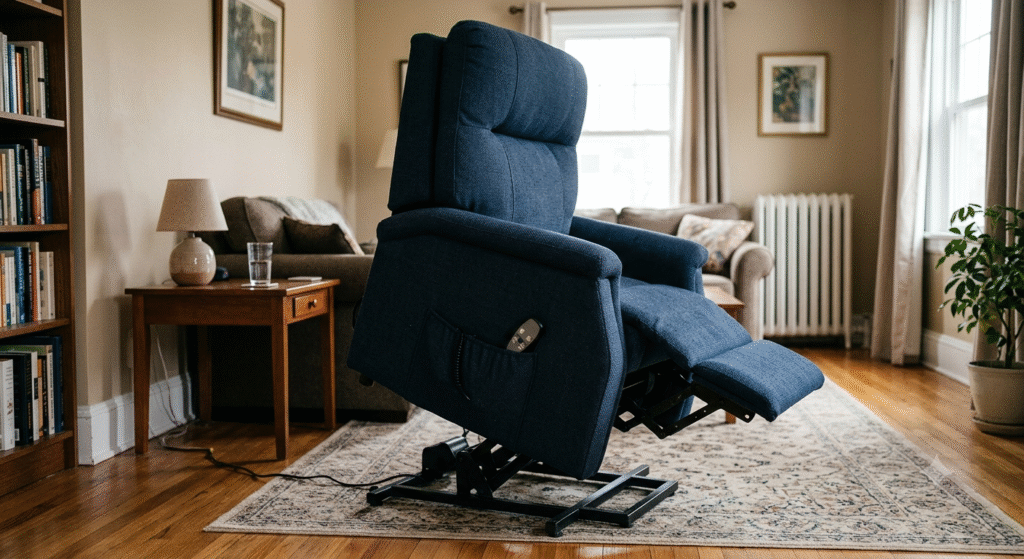
With so many options available, choosing the best lift chair for the elderly can feel overwhelming. Different models offer varying levels of recline, weight capacities, upholstery materials, comfort features, and therapeutic functions. Selecting the wrong chair may result in discomfort, limited functionality, or unnecessary expenses.
This comprehensive buying guide explains everything you need to know before purchasing a lift chair. You’ll learn about essential features, benefits, key considerations, comparisons, advantages and disadvantages, and how to choose the ideal chair based on individual needs.
What Is a Lift Chair?
A lift chair is a specialized recliner equipped with a powered lifting mechanism. The chair tilts forward and upward, helping users transition safely from a seated position to a standing position.
Unlike traditional recliners, lift chairs are specifically designed for individuals with:
- Limited mobility
- Arthritis
- Joint pain
- Muscle weakness
- Balance concerns
- Recovery from surgery
- Age-related mobility challenges
These chairs provide both comfort and independence, reducing the need for caregiver assistance during daily activities.
Benefits of Lift Chairs for the Elderly
Before exploring buying considerations, it is important to understand why lift chairs are becoming increasingly popular among seniors.
Improved Independence
Many seniors struggle to stand from low-seated furniture. A lift chair assists this movement, allowing users to maintain independence for longer periods.
Reduced Fall Risk
Standing up from a chair is one of the most common situations where falls occur. Lift assistance minimizes strain and improves stability.
Better Comfort
Most lift chairs provide multiple reclining positions, enabling users to relax, watch television, read, or nap comfortably.
Pain Relief
Reclining positions help reduce pressure on the spine, hips, knees, and joints.
Enhanced Blood Circulation
Elevating the legs can improve circulation and reduce swelling in the lower extremities.
Recovery Support
Individuals recovering from surgery or injury often benefit from easier transfers between sitting and standing positions.
What to Consider Before Buying a Lift Chair
Purchasing a lift chair involves more than choosing a comfortable recliner. Several important factors determine whether the chair will meet the user’s needs.
1. Lift Chair Size
Size is one of the most critical considerations.
A chair that is too large may prevent proper positioning, while one that is too small can cause discomfort.
Key Measurements
Consider:
- User height
- User weight
- Seat width
- Seat depth
- Backrest height
- Armrest height
General Size Guide
| User Height | Recommended Chair Size |
|---|---|
| Under 5’4″ | Small |
| 5’4″ – 5’10” | Medium |
| 5’10” – 6’2″ | Large |
| Over 6’2″ | Extra Large |
Proper sizing ensures maximum comfort and effective lift functionality.
2. Recline Positions
Lift chairs typically fall into three categories.
Two-Position Chairs
These recline slightly backward.
Best for:
- Reading
- Watching television
- Basic comfort needs
Three-Position Chairs
These offer deeper reclining angles.
Best for:
- Frequent relaxation
- Extended sitting periods
Infinite Position Chairs
These allow independent adjustment of the backrest and footrest.
Best for:
- Napping
- Long-term sitting
- Enhanced customization
3. Weight Capacity
Every lift chair has a specified maximum weight limit.
Choosing the appropriate capacity ensures:
- Better durability
- Improved safety
- Longer lifespan
Always select a chair with a capacity exceeding the user’s current weight.
4. Upholstery Material
The material affects comfort, durability, and maintenance.
Fabric
Pros:
- Soft texture
- Breathable
- Wide variety of colors
Cons:
- Harder to clean
Faux Leather
Pros:
- Easy maintenance
- Modern appearance
Cons:
- Less breathable
Microfiber
Pros:
- Durable
- Comfortable
- Stain-resistant
Cons:
- May retain heat
5. Power Backup
Power outages can create challenges for electric lift chairs.
Some models include battery backup systems that allow users to return the chair to an upright position during emergencies.
This feature can be extremely valuable for elderly individuals living alone.
6. Heat and Massage Functions
Many premium lift chairs include wellness features.
Heat Therapy
Benefits include:
- Muscle relaxation
- Improved circulation
- Reduced stiffness
Massage Functions
Benefits include:
- Relaxation
- Temporary pain relief
- Enhanced comfort
While not essential, these features can improve the overall experience.
7. Ease of Controls
Simple controls are especially important for seniors.
Look for:
- Large buttons
- Clearly labeled functions
- Intuitive remote controls
- Easy-to-read displays
Complicated controls can reduce usability.
8. Room Space Requirements
Lift chairs require additional clearance when reclining.
Measure:
- Available room width
- Distance from wall
- Reclining space
Proper planning prevents installation issues.
Types of Lift Chairs
Understanding available types can simplify the selection process.
Standard Lift Chairs
Ideal for:
- Basic mobility assistance
- General relaxation
Heavy-Duty Lift Chairs
Designed for:
- Higher weight capacities
- Enhanced durability
Zero-Gravity Lift Chairs
Promote:
- Improved circulation
- Pressure relief
- Enhanced comfort
Infinite Position Lift Chairs
Provide:
- Maximum adjustability
- Customized support
- Better sleeping positions
Lift Chair Feature Comparison
| Feature | Basic Model | Mid-Range Model | Premium Model |
| Lift Assistance | Yes | Yes | Yes |
| Recline Options | Limited | Multiple | Infinite |
| Heat Function | No | Optional | Included |
| Massage Function | No | Optional | Included |
| Battery Backup | Rare | Sometimes | Common |
| USB Charging | No | Yes | Yes |
| Comfort Level | Moderate | High | Very High |
Product Summary Checklist
When comparing lift chairs, prioritize the following features:
Essential Features
- Reliable lift mechanism
- Appropriate size
- Comfortable cushioning
- Durable upholstery
- Easy controls
Recommended Features
- Multiple recline positions
- Battery backup
- Heat therapy
- Massage functionality
- USB charging ports
Premium Features
- Infinite positioning
- Zero-gravity recline
- Advanced lumbar support
- Memory settings
Pros and Cons of Lift Chairs
Pros
Enhanced Mobility
Lift assistance helps users stand safely and confidently.
Increased Independence
Reduces reliance on caregivers.
Better Comfort
Multiple reclining positions support relaxation.
Improved Safety
Can help lower fall risks.
Pain Management Support
May reduce pressure on joints and muscles.
Long-Term Value
Can improve daily quality of life for years.
Cons
Higher Initial Cost
Advanced features often increase overall expense.
Space Requirements
Lift chairs occupy more room than standard recliners.
Dependence on Electricity
Most models require power to operate.
Learning Curve
Some users may need time to become familiar with controls.
Who Is a Lift Chair Best For?
Lift chairs are especially beneficial for:
Seniors with Limited Mobility
Individuals who struggle to stand independently often benefit the most.
Arthritis Sufferers
Lift assistance reduces pressure on painful joints.
Post-Surgery Patients
Helpful during recovery from:
- Hip replacement
- Knee replacement
- Back surgery
Individuals with Balance Issues
Additional support improves safety during transitions.
Caregivers
Lift chairs can reduce physical strain when assisting loved ones.
Expert Tips for Choosing the Right Lift Chair
After researching mobility furniture and speaking with healthcare professionals, several recommendations consistently emerge.
Prioritize Fit Over Features
An expensive chair that does not fit properly will not provide optimal comfort.
Consider Future Needs
Mobility requirements may change over time.
Choosing a chair with additional functionality can prevent future upgrades.
Test Cushion Firmness
Some users prefer softer cushions, while others need firmer support.
Verify Warranty Coverage
A longer warranty often reflects better manufacturing quality.
Focus on Daily Use Habits
Consider whether the user will:
- Sleep in the chair
- Watch television frequently
- Need therapeutic features
- Use the chair throughout the day
Common Mistakes to Avoid
Buying Based Only on Appearance
Comfort and functionality are more important than aesthetics.
Ignoring Weight Limits
Exceeding capacity can reduce safety and lifespan.
Choosing the Wrong Size
Improper sizing is one of the most common causes of dissatisfaction.
Overlooking Room Dimensions
Always measure available space before purchase.
Paying for Unnecessary Features
Focus on features that provide real value to the user.
Frequently Asked Questions
Are lift chairs safe for elderly users?
Yes. When used properly, lift chairs are designed to improve safety and reduce the risk of falls during sitting and standing.
Can a lift chair help with arthritis?
Many users with arthritis find lift chairs beneficial because they reduce pressure on joints and assist with movement.
How long do lift chairs typically last?
With proper care and maintenance, a quality lift chair can provide years of reliable use.
Can someone sleep in a lift chair?
Many models, especially those with infinite positioning, are comfortable enough for extended resting periods.
Do lift chairs require professional installation?
Most lift chairs are relatively simple to assemble, though some users may prefer professional setup assistance.
Is heat and massage worth the extra cost?
For individuals with chronic pain, muscle stiffness, or circulation concerns, these features may provide additional comfort and value.
Final Recommendation
A lift chair can be one of the most valuable mobility investments for an elderly individual. Beyond simple comfort, it promotes independence, safety, and confidence in daily life. The ideal lift chair should match the user’s height, weight, mobility requirements, and comfort preferences while fitting comfortably within the available living space.
When comparing options, focus on proper sizing, lifting performance, reclining flexibility, durability, and ease of use rather than unnecessary extras. Features such as battery backup, heat therapy, and massage functions can provide additional benefits, but the primary goal should always be reliable support and safe mobility.
By carefully evaluating the factors outlined in this buying guide, you can confidently choose a lift chair that enhances comfort, supports independence, and improves overall quality of life for years to come.
[Klyxoo.com] is a participant in the Amazon Services LLC Associates Program, an affiliate advertising program designed to provide a means for sites to earn advertising fees by advertising and linking to Amazon.uk