
[Klyxoo.com] is a participant in the Amazon Services LLC Associates Program, an affiliate advertising program designed to provide a means for sites to earn advertising fees by advertising and linking to Amazon.uk
Choosing a new mobile phone can feel overwhelming. With hundreds of models available across different price ranges, specifications, and features, finding the right device often becomes more complicated than expected. Many buyers focus on flashy advertisements or impressive technical specifications without understanding how those features impact real-world usage.
A smartphone is no longer just a communication device. It serves as a camera, entertainment center, productivity tool, navigation system, and digital wallet. Because of this, selecting the right phone requires careful evaluation of your personal needs, budget, and long-term expectations.
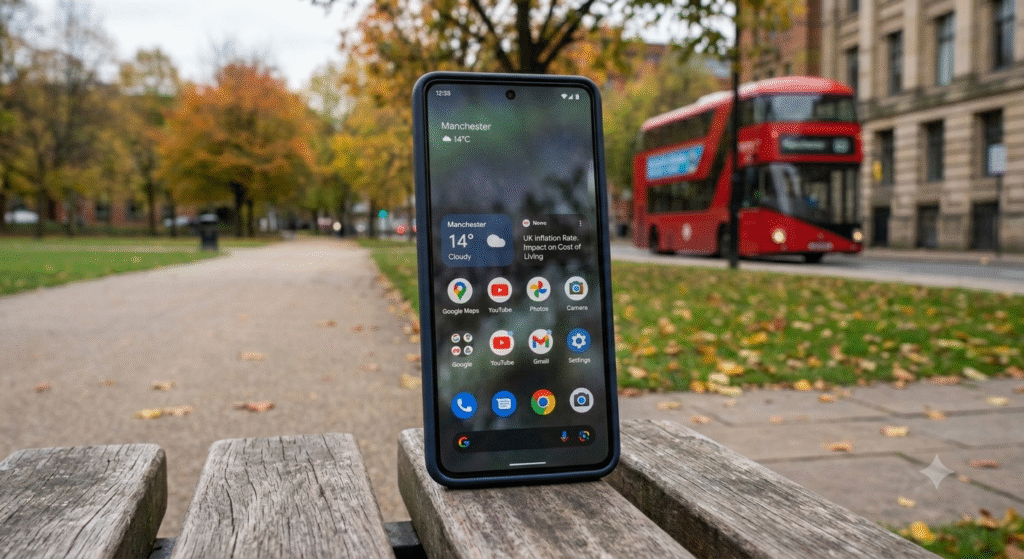
This comprehensive mobile phone buying guide will help you understand the most important factors to consider before making a purchase. Whether you are a student, professional, gamer, content creator, or casual user, this guide will help you make an informed buying decision.
What to Consider Before Buying a Mobile Phone
Before comparing specifications, start by identifying your primary usage needs.
Define Your Purpose
Ask yourself:
- Do you mainly use your phone for calls and messaging?
- Do you enjoy mobile gaming?
- Do you frequently take photos and videos?
- Do you use productivity apps for work?
- Do you stream movies and TV shows?
- Do you travel often and rely on navigation apps?
Understanding your usage pattern helps narrow down your options and prevents overspending on features you may never use.
Budget Planning
Your budget is one of the most important factors when purchasing a smartphone.
Entry-Level Phones
Best for:
- Basic communication
- Social media browsing
- Light app usage
- Students on a budget
Advantages:
- Affordable
- Easy to use
- Sufficient for everyday tasks
Limitations:
- Lower camera quality
- Limited gaming performance
- Shorter software support
Mid-Range Phones
Best for:
- Most users
- Moderate gaming
- Photography enthusiasts
- Productivity tasks
Advantages:
- Excellent value for money
- Better displays
- Improved camera systems
- Strong battery life
Limitations:
- May lack premium materials
- Some advanced features missing
Premium Phones
Best for:
- Power users
- Mobile gamers
- Professional content creators
- Business professionals
Advantages:
- Flagship performance
- Premium build quality
- Advanced cameras
- Long software support
Limitations:
- Higher cost
- Diminishing returns for casual users
Processor Performance
The processor acts as the brain of your smartphone.
Why Processor Matters
A powerful processor affects:
- App launching speed
- Gaming performance
- Multitasking efficiency
- Camera processing
- Battery optimization
What to Look For
Consider:
- Recent processor generation
- Power efficiency
- AI capabilities
- Thermal management
For basic users, a mid-level processor is usually sufficient. Gamers and content creators should prioritize high-performance chipsets.
RAM Requirements
RAM determines how many apps your phone can keep open simultaneously.
Recommended RAM by User Type
| User Type | Recommended RAM |
|---|---|
| Basic Users | 4GB–6GB |
| Average Users | 6GB–8GB |
| Heavy Multitaskers | 8GB–12GB |
| Gamers | 12GB+ |
More RAM generally provides smoother multitasking and future-proofing.
Storage Capacity
Running out of storage can significantly affect usability.
Storage Recommendations
| Usage Level | Storage |
| Basic Use | 64GB |
| Average Use | 128GB |
| Heavy Use | 256GB |
| Professional Use | 512GB+ |
Consider Storage Expansion
Some devices support expandable storage through memory cards, while others rely solely on internal storage.
If you frequently record videos, download media, or play large games, prioritize larger storage options.
Display Quality
The display is the feature you interact with most.
Screen Size
Small Displays:
- Easier one-handed use
- More portable
Large Displays:
- Better gaming experience
- Enhanced video viewing
- Improved productivity
Resolution
Higher resolutions provide:
- Sharper text
- Better image quality
- More detailed visuals
For most users, Full HD resolution offers an excellent balance between quality and battery efficiency.
Refresh Rate
Common options include:
- 60Hz
- 90Hz
- 120Hz
- 144Hz
Higher refresh rates create smoother scrolling, gaming, and animations.
Camera Quality
Many buyers prioritize camera performance above everything else.
Ignore Megapixels Alone
More megapixels do not automatically produce better photos.
Important factors include:
- Sensor size
- Image processing
- Optical stabilization
- Low-light performance
- Dynamic range
Camera Features Worth Considering
Look for:
- Night photography mode
- Portrait mode
- Ultra-wide lens
- Optical image stabilization
- High-quality video recording
Best Camera Use Cases
Casual Photography
A balanced camera setup is usually sufficient.
Content Creation
Prioritize:
- Video stabilization
- High-resolution recording
- Reliable autofocus
Travel Photography
Look for versatility and strong low-light performance.
Battery Life
Battery life remains one of the most important smartphone features.
Factors Affecting Battery Performance
Battery duration depends on:
- Capacity
- Display technology
- Processor efficiency
- Software optimization
Ideal Battery Capacity
| User Type | Recommended Capacity |
| Light Users | 4000mAh |
| Average Users | 4500mAh–5000mAh |
| Heavy Users | 5000mAh+ |
Fast Charging
Fast charging offers:
- Less downtime
- Better convenience
- Improved daily usability
Consider both charging speed and battery longevity.
Operating System Experience
The software experience significantly impacts satisfaction.
Key Considerations
Evaluate:
- User interface simplicity
- Software updates
- Security patches
- App ecosystem
- Customization options
A phone with long-term software support often provides better value over several years.
Build Quality and Durability
Durability should never be overlooked.
Materials
Common materials include:
- Plastic
- Aluminum
- Glass
Each material offers different benefits regarding weight, durability, and appearance.
Water and Dust Resistance
For added protection, look for:
- Splash resistance
- Water resistance certification
- Dust protection
These features can extend device lifespan.
Connectivity Features
Modern smartphones support numerous connectivity standards.
Essential Connectivity Options
Ensure your phone includes:
- Fast mobile network support
- Wi-Fi connectivity
- Bluetooth
- GPS
- NFC functionality
Future-proof connectivity can improve long-term usability.
Security Features
Protecting personal data is increasingly important.
Recommended Security Options
Look for:
- Fingerprint scanner
- Facial recognition
- Secure authentication systems
- Regular security updates
A reliable security system improves convenience while protecting sensitive information.
Audio Quality
Audio performance matters for many users.
Important Audio Features
Consider:
- Speaker quality
- Stereo sound support
- Noise reduction during calls
- Audio enhancement technologies
Good audio significantly improves entertainment experiences.
Product Summary
The ideal smartphone should provide a balance between performance, battery life, camera quality, display experience, and long-term software support.
Instead of chasing the highest specifications, focus on features that align with your daily needs.
Quick Evaluation Checklist
Before purchasing, verify:
✔ Appropriate budget
✔ Suitable processor
✔ Enough RAM
✔ Adequate storage
✔ Quality display
✔ Reliable cameras
✔ Strong battery life
✔ Software support
✔ Durable build quality
✔ Essential connectivity features
Pros and Cons of Modern Smartphones
Pros
- Improved productivity
- Better communication
- High-quality photography
- Entertainment on the go
- Mobile banking convenience
- Navigation assistance
- Access to online education
Cons
- Higher purchase costs
- Frequent upgrade temptation
- Potential battery degradation
- Privacy concerns
- Repair expenses
Who Is It Best For?
Students
Priorities:
- Affordable pricing
- Good battery life
- Reliable performance
Professionals
Priorities:
- Productivity tools
- Security features
- Long software support
Gamers
Priorities:
- Powerful processor
- High refresh rate display
- Efficient cooling
Content Creators
Priorities:
- Advanced camera system
- High-quality video recording
- Large storage capacity
Casual Users
Priorities:
- Ease of use
- Battery longevity
- Balanced specifications
Common Mistakes to Avoid
Many buyers make avoidable purchasing mistakes.
Buying Based on Marketing Alone
Advertisements often highlight features that may not matter to your actual usage.
Ignoring Software Support
Long-term updates improve security and device lifespan.
Choosing the Cheapest Option
Extremely low-cost devices may require replacement sooner.
Overpaying for Unused Features
Not everyone needs professional-grade cameras or gaming hardware.
Ignoring Battery Performance
A powerful phone with poor battery life can become frustrating quickly.
Frequently Asked Questions
How much RAM do I need in a smartphone?
Most users are comfortable with 6GB to 8GB of RAM. Heavy multitaskers and gamers may benefit from 12GB or more.
Is a higher megapixel camera always better?
No. Sensor quality, image processing, and stabilization are often more important than megapixel count alone.
How much storage should I choose?
For most users, 128GB provides a good balance between affordability and capacity.
How long should a smartphone last?
A quality smartphone can remain useful for three to five years with proper care and software support.
What is the most important smartphone feature?
The answer depends on your needs, but battery life, performance, software support, and camera quality are usually the most influential factors.
Should I buy the most expensive phone available?
Not necessarily. Many mid-range devices deliver excellent value and meet the needs of most users.
Final Recommendation
The best mobile phone is not always the most expensive or feature-packed option. Instead, it is the device that aligns with your lifestyle, budget, and daily usage requirements.
Start by identifying your priorities. Focus on processor performance, battery life, storage capacity, camera quality, display experience, and software support. Compare multiple options, evaluate long-term value, and avoid being influenced solely by marketing claims.
A thoughtful purchase decision can provide years of reliable performance, making your investment worthwhile. By following this smartphone buying guide, you will be better equipped to choose a device that meets your needs today and remains useful well into the future.
[Klyxoo.com] is a participant in the Amazon Services LLC Associates Program, an affiliate advertising program designed to provide a means for sites to earn advertising fees by advertising and linking to Amazon.uk