

As an Amazon Associate, I earn from qualifying purchases
A sofa isn’t just a piece of furniture — it’s the heart of your living room, the place where you relax, entertain guests, binge-watch shows, or even take a quick nap. It sets the tone for your home’s style while providing comfort and functionality. But with countless styles, materials, and price ranges available, choosing the right sofa can be overwhelming.
Buying the perfect sofa is more than picking a color you like. You must consider the right size, shape, fabric, and durability — as well as how it will fit your lifestyle, space, and budget. Whether you’re furnishing a new apartment, updating your living room, or creating a cozy reading nook, a well-chosen sofa can completely transform your space.
This buying guideline for sofas covers everything you need to know before making a purchase — from key features and materials to pros, cons, and practical tips. It’s designed to help you make an informed decision while staying aligned with the Amazon operating agreement (no brand endorsements or pricing information).
What to Consider Before Buying a Sofa
Before you click “add to cart,” it’s crucial to think about how the sofa will serve your needs and fit into your space. Here’s a breakdown of the most important factors to consider:
1. Room Size and Layout
The first step is measuring your space. A sofa that’s too large can overwhelm your living room, while one that’s too small may look out of place.
- Measure the available area: Note wall length, doorways, windows, and walking paths.
- Leave breathing space: Aim for at least 18–24 inches between the sofa and other furniture for easy movement.
- Visual balance: In small rooms, consider low-profile or modular sofas. For large areas, sectional sofas fill space nicely.
Pro Tip: Use painter’s tape on the floor to outline your potential sofa dimensions before buying. It helps you visualize the fit.
2. Sofa Type and Style
Sofas come in many shapes and styles, each serving different needs. Let’s explore the most common types:
| Sofa Type | Description | Ideal For |
|---|---|---|
| Sectional Sofa | Multi-piece design, configurable in L or U shape | Large living rooms, families |
| Loveseat | Two-seater sofa, compact and cozy | Small apartments, couples |
| Sleeper Sofa | Converts into a bed | Guest rooms or multi-purpose spaces |
| Recliner Sofa | Adjustable seats for lounging | Home theaters, relaxation zones |
| Modular Sofa | Customizable units you can rearrange | Modern or flexible living spaces |
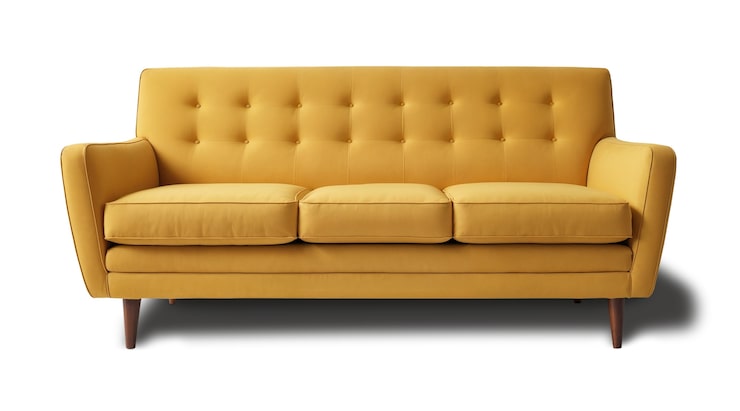
| Traditional Sofa | Classic three-seat design | Most living rooms, versatile setup |
| Chaise Lounge | Extended seat for stretching out | Corners or reading nooks |
Each type has its pros and cons. For example, a sectional is great for large families but may not fit through narrow doorways. Meanwhile, a loveseat saves space but limits seating capacity.
3. Frame Construction and Durability
The frame is the backbone of any sofa. A poorly built frame can sag, creak, or break within a few years, while a solid one can last a decade or more.
- Hardwood frames (like oak or beech) are the most durable.
- Plywood or engineered wood offers good value for money but may be less sturdy.
- Metal frames are durable but may feel less warm in design.
Joinery matters too: Look for corner blocks, dowels, or metal brackets. Avoid sofas held together only by staples or glue.
Pro Insight: Lift one corner of the sofa — if the opposite leg lifts off the ground too, the frame is sturdy and balanced.
4. Cushion Filling and Comfort
Comfort depends largely on what’s inside your sofa. There are three main types of cushion fillings:
| Filling Type | Comfort Level | Maintenance | Durability |
|---|---|---|---|
| Foam | Firm and supportive | Easy to maintain | Long-lasting |
| Feather or Down | Luxuriously soft | Requires regular fluffing | Moderate |
| Fiberfill | Soft and springy | Retains shape moderately | Affordable, but less durable |
For the best of both worlds, some sofas use a combination — foam core wrapped in feather or fiber layers for balance between comfort and support.
5. Upholstery Material
The fabric or leather you choose affects both appearance and maintenance. Let’s compare the most common upholstery types:
| Material | Pros | Cons | Best For |
|---|---|---|---|
| Fabric (Cotton, Linen, Polyester) | Comfortable, breathable, available in many colors | Stains easily, requires cleaning | Families, everyday use |
| Leather | Durable, stylish, easy to wipe clean | Can scratch or feel cold | Classic or modern homes |
| Microfiber | Stain-resistant and soft | May attract lint | Homes with pets or kids |
| Velvet | Luxurious texture, elegant look | High maintenance | Statement furniture |
| Faux Leather | Affordable alternative to real leather | Less breathable | Budget-conscious buyers |
Pro Tip: For households with pets or children, look for stain-resistant or machine-washable upholstery.
6. Color and Design
Your sofa’s color sets the tone of the entire room.
- Neutral tones (gray, beige, white) provide flexibility and timeless appeal.
- Bold colors (navy, emerald, mustard) add character and make a statement.
- Patterns and textures can hide wear and stains but may clash with other decor.
Consider your wall paint, flooring, and lighting before finalizing a color. Remember, a sofa is often a long-term purchase — choose something you’ll love for years.
7. Functionality and Extra Features
Modern sofas often include added features that boost convenience and comfort:
- Built-in USB charging ports or cup holders
- Storage compartments under seats or in chaise lounges
- Reclining mechanisms for relaxation
- Pull-out beds for guests
Choose only what you’ll actually use — extra features can increase cost and weight unnecessarily.
8. Ease of Maintenance
Ask yourself: “Can I clean this easily?”
- Removable covers: Ideal for machine washing or replacing.
- Stain-resistant fabrics: Great for high-traffic homes.
- Leather conditioners: Extend lifespan of genuine leather.
Maintenance impacts how long your sofa will look and feel new, so check the care instructions before buying.
Product Summary: Comparing Popular Sofa Types
| Type | Comfort Level | Space Required | Maintenance | Best For |
|---|---|---|---|---|
| Sectional | High | Large | Moderate | Families, big rooms |
| Loveseat | Medium | Small | Easy | Apartments, couples |
| Sleeper | High (multi-use) | Medium | Moderate | Guests, small spaces |
| Recliner | Very High | Large | Moderate | Relaxation zones |
| Modular | Customizable | Variable | Moderate | Modern setups |
| Traditional | Balanced | Medium | Easy | All-round use |
Pros and Cons of Sofa Types
| Sofa Type | Pros | Cons |
|---|---|---|
| Sectional | Ample seating, stylish, great for families | Difficult to move or rearrange |
| Loveseat | Compact, cozy, affordable | Limited seating capacity |
| Sleeper Sofa | Dual function, space-saving | Heavier and costlier |
| Recliner | Ultimate comfort, ideal for rest | Bulky, mechanical parts may wear |
| Modular | Flexible arrangement | Pieces can separate easily |
| Traditional Sofa | Timeless and versatile | Not as customizable |
Who It’s Best For
Every household has different needs, so here’s a quick guide:
- Families: Sectional sofas or large three-seaters for gatherings.
- Singles or Couples: Loveseats or compact modular designs.
- Frequent Hosts: Sleeper sofas for overnight guests.
- Professionals: Sleek, low-maintenance designs for modern apartments.
- Elderly Users: Recliners for easy comfort and relaxation.
- Pet Owners: Microfiber or leather sofas for easy cleaning.
Choosing a sofa that fits your lifestyle ensures lasting satisfaction.
Real Insights from Experts and Users
Interior designers emphasize that a sofa anchors the entire living space — it defines both function and aesthetic. Experts recommend:
- Testing comfort in person when possible — seat depth, height, and cushion firmness matter.
- Opting for quality upholstery that matches your daily use.
- Investing in neutral foundations and adding character through cushions or throws.
Personal experiences also reveal that comfort isn’t only physical — it’s emotional. The right sofa becomes part of your family’s story — where memories are made, from movie nights to lazy Sundays.
Maintenance Tips for Longevity
A quality sofa can last 7–15 years with proper care. Follow these tips to extend its lifespan:
- Vacuum regularly to prevent dust buildup.
- Rotate cushions every few weeks to even out wear.
- Avoid direct sunlight to prevent fading.
- Blot spills immediately with a clean cloth.
- Use fabric protectors for added stain resistance.
- Keep pets off if possible or use protective covers.
A little maintenance goes a long way in preserving both beauty and comfort.
Frequently Asked Questions (FAQs)
1. How do I know which sofa size fits my space?
Measure your room and leave at least two feet of walking space around the sofa. Use masking tape on the floor to visualize its footprint.
2. What’s the ideal seat depth?
For most adults, a seat depth of 20–22 inches is comfortable. Taller individuals may prefer deeper seating around 24 inches.
3. Are leather sofas worth it?
Yes, if you want a durable and easy-to-clean option. However, they require occasional conditioning to prevent cracking.
4. How long should a good sofa last?
A quality sofa can last between 7 to 15 years depending on usage, material, and frame construction.
5. Which fabric is best for homes with pets?
Microfiber and faux leather resist scratches and are easy to clean.
6. Can I customize sofa cushions?
Many sofas allow for cushion replacement or customization, but always check manufacturer specifications.
7. How do I keep my sofa looking new?
Clean regularly, use throws or slipcovers, and rotate cushions to distribute wear evenly.
Expert Buying Tips
- Prioritize comfort over looks: A beautiful sofa isn’t worth it if it’s uncomfortable.
- Choose neutral colors for flexibility: Add vibrancy later through accessories.
- Test cushion firmness: Too soft may sag; too firm feels stiff.
- Consider your home’s future layout: If you plan to move, choose modular designs.
- Think about delivery: Ensure the sofa fits through doors, stairways, or elevators.
Practical Use Cases
- For Families with Kids: Go for sturdy fabric upholstery with removable covers.
- For Minimalist Homes: Slimline modular sofas in neutral shades.
- For Small Apartments: Loveseats or sleeper sofas to save space.
- For Entertainers: Sectionals with chaise lounges provide ample seating.
- For Classic Interiors: Traditional three-seater sofas in warm tones like beige or chestnut.
Final Recommendation
Buying a sofa isn’t a quick decision — it’s an investment in comfort, aesthetics, and daily living. Your choice should blend practicality with style, meeting your household’s needs without compromising on quality.
To summarize:
- Measure your space carefully before shopping.
- Choose materials based on lifestyle — fabric for softness, leather for durability.
- Select design and color that harmonize with your decor.
- Prioritize frame quality and comfort over temporary trends.
Whether you prefer a plush sectional for family movie nights or a sleek loveseat for your apartment, the best sofa is one that fits both your space and your life.
When chosen wisely, a sofa becomes more than furniture — it becomes your home’s comfort zone, where moments, laughter, and relaxation all come together.
Latest Post
- Smart Cleanup: Buying Guide for Vacuum Cleaners
 Keeping a home clean is easier when you have a vacuum cleaner that matches your lifestyle, floor type, pets, and cleaning routine. The challenge? There are dozens of styles, power levels, and features—making it confusing to know which one is worth your money. This guide breaks down everything you need to make an informed choice,… Read more: Smart Cleanup: Buying Guide for Vacuum Cleaners
 - Smart Cleanup: Buying Guide for Vacuum Cleaners
 Keeping a home clean is easier when you have a vacuum cleaner that matches your lifestyle, floor type, pets, and cleaning routine. The challenge? There are dozens of styles, power levels, and features—making it confusing to know which one is worth your money. This guide breaks down everything you need to make an informed choice,… Read more: Smart Cleanup: Buying Guide for Vacuum Cleaners
 - Smart Cleanup: Buying Guide for Vacuum Cleaners
 Keeping a home clean is easier when you have a vacuum cleaner that matches your lifestyle, floor type, pets, and cleaning routine. The challenge? There are dozens of styles, power levels, and features—making it confusing to know which one is worth your money. This guide breaks down everything you need to make an informed choice,… Read more: Smart Cleanup: Buying Guide for Vacuum Cleaners
 - Fresh Squeeze: The Ultimate Juicer Buying Guide
 Fresh juice is more than a drink—it’s a lifestyle choice. Whether it’s bright morning orange juice, green detox blends, sugar-free fruit mixes for kids, or post-workout vegetable juice, a juicer turns everyday produce into something energizing, healthy, and refreshing. But not all juicers are created equal. Some extract more juice but work slowly. Others are… Read more: Fresh Squeeze: The Ultimate Juicer Buying Guide
 - Smart Cleanup: Buying Guide for Vacuum CleanersDIFFULL Cordless Vacuum Cleaner, 600W 50KPA 70Mins Vacuum Cleaners for Home, Stick Vacuum with 1.8L Cup, Anti-Tangle, 8-Stage Filter System, Green Light for Pet Hair, Carpet, Floor As an Amazon Associate, I earn from qualifying purchases Keeping a home clean is easier when you have a vacuum cleaner that matches your lifestyle, floor type, pets,… Read more: Smart Cleanup: Buying Guide for Vacuum Cleaners
- Foam Magic: The Ultimate Electric Milk Frother Buying Guide
 Making café-style drinks at home has never been easier. Whether it’s a creamy cappuccino, silky latte, hot chocolate, dalgona coffee, or even protein shakes, one simple tool transforms average beverages into café-quality: the electric milk frother. The right milk frother isn’t just for coffee fans—it’s useful for tea lovers, matcha drinkers, hot cocoa fans, and… Read more: Foam Magic: The Ultimate Electric Milk Frother Buying Guide
 - Smart Cuts: The Ultimate Vegetable Cutting Board Guide
 When people think about improving their kitchen, they often picture high-end knives, nonstick pans, or stylish storage. But in everyday cooking—chopping onions, slicing tomatoes, dicing herbs—nothing gets used more than a cutting board, especially for vegetables. The right board keeps knives sharp, protects countertops, improves hygiene, and makes chopping faster and more enjoyable. Yet many… Read more: Smart Cuts: The Ultimate Vegetable Cutting Board Guide
 - How to Choose the Right Security Camera for Your Home
 Projectors have evolved from bulky classroom machines into sleek home-theater and business essentials. Today, whether you want movie nights, gaming on a giant screen, presentations for work, outdoor cinema in the backyard, or educational content for kids, a projector can transform a space in a way no TV can. However, buying one isn’t simple. The… Read more: How to Choose the Right Security Camera for Your Home
 - Stay Safe: Everything You Need to Know About Security Cameras
 Projectors have evolved from bulky classroom machines into sleek home-theater and business essentials. Today, whether you want movie nights, gaming on a giant screen, presentations for work, outdoor cinema in the backyard, or educational content for kids, a projector can transform a space in a way no TV can. However, buying one isn’t simple. The… Read more: Stay Safe: Everything You Need to Know About Security Cameras
 - Secure Your Space – Smart Tips for Choosing a Security Camera
 Projectors have evolved from bulky classroom machines into sleek home-theater and business essentials. Today, whether you want movie nights, gaming on a giant screen, presentations for work, outdoor cinema in the backyard, or educational content for kids, a projector can transform a space in a way no TV can. However, buying one isn’t simple. The… Read more: Secure Your Space – Smart Tips for Choosing a Security Camera
 - Sleep Right: Mattress Buying Guide
 Choosing a mattress sounds simple—until you shop for one. Online stores and furniture showrooms are filled with options: memory foam, hybrid, innerspring, cooling gel, soft, firm, and adjustable. Many claim to improve your sleep, align your spine, or keep you cool, but which mattress actually fits your needs? This helpful buying guide explains how mattresses… Read more: Sleep Right: Mattress Buying Guide
 - Smart Playtime: Buying Guide for Baby Toys
 BEZGAR HQ089 RC Plane, Drones for Kids, 6-axis Gyro Remote Control Airplane, RC Helicopter, Easy Control for Beginners Toys with Colorful LED Navigation Lights As an Amazon Associate, I earn from qualifying purchases Choosing the right baby toy feels simple—until you start shopping. Suddenly, there are hundreds of options claiming to boost learning, improve motor… Read more: Smart Playtime: Buying Guide for Baby Toys
 - Smart Cleanup: Buying Guide for Vacuum CleanersDzaki Cordless Vacuum Cleaner, Stick Vacuum with Smart LED Display, 50KPA 55Mins Vacuum Cleaners for Home, Powerful Suction, Anti-Tangled Lightweight Rechargeable Vac for Pet Hair, Carpet, Hard Floor As an Amazon Associate, I earn from qualifying purchases Keeping a home clean is easier when you have a vacuum cleaner that matches your lifestyle, floor type,… Read more: Smart Cleanup: Buying Guide for Vacuum Cleaners
- Winter Warmth: Buying Guide for the Perfect Winter Jacket
 Rrtizan Heated Vest for Men, 12 Heating Zones 3 Temp Levels, 10000mAh Battery USB-C, Waterproof for Hiking(0086, XL) As an Amazon Associate, I earn from qualifying purchases A winter jacket is not just a seasonal purchase—it’s an investment in warmth, comfort, and durability. Whether you live in a snowy region, commute to school or work… Read more: Winter Warmth: Buying Guide for the Perfect Winter Jacket
 - Safe Space: Buying Guide for Large Baby Playpen
 ZEEBABA Extra Large Baby Playpen – 59x69in Play Yard for Babies & Toddlers, Indoor Play Pen with Breathable Mesh and Gate, Parc pour Bébé (Without Mat) As an Amazon Associate, I earn from qualifying purchases A baby playpen is more than a gated space—it’s a safe zone where little ones can explore, crawl, stand, and… Read more: Safe Space: Buying Guide for Large Baby Playpen